Neighbor Had Landscapers Clear the Greenery Along Their Property Line Without Asking, Then Called Them “Unhinged” for Objecting
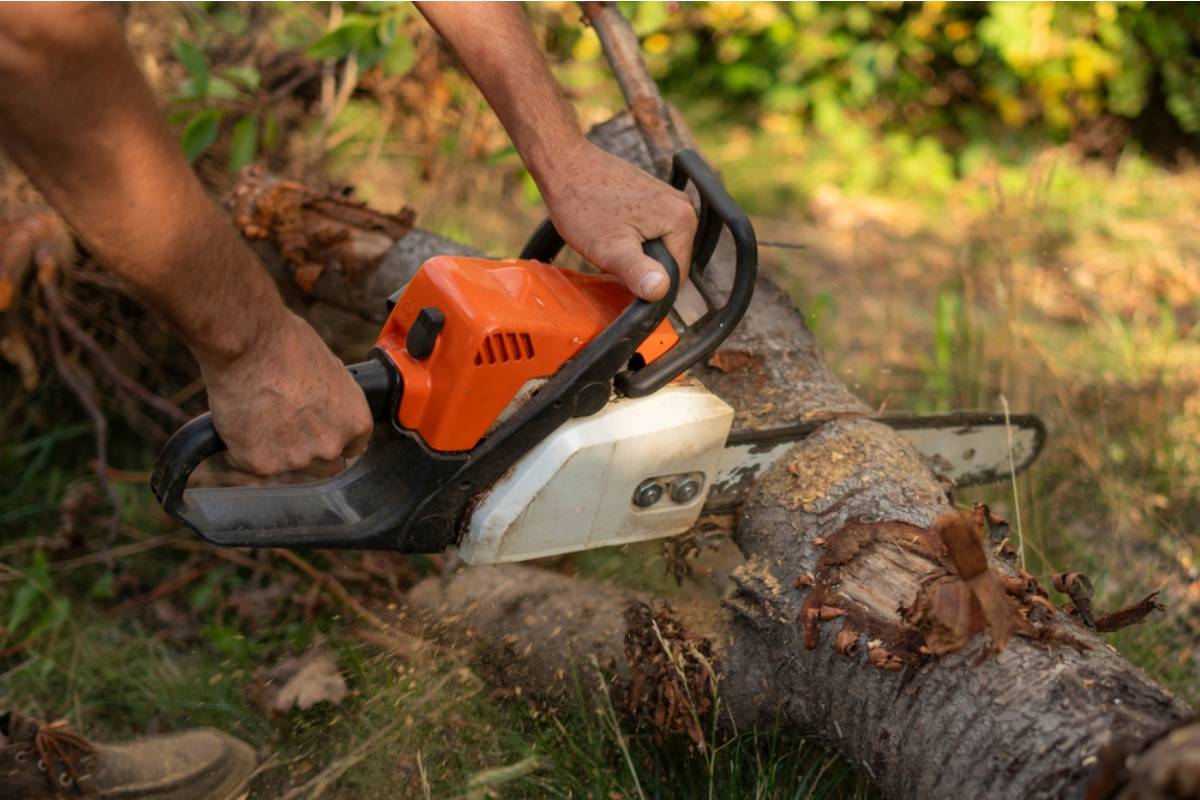
A person shared his story about a neighbor who hired landscapers to clean up his yard, only to create a much bigger dispute when the crew cleared a thick wall of vegetation along the property line. Most of the growth appeared to be on the neighbor’s side, but some of it seemed to have originated on the other homeowner’s property. What made the situation especially frustrating was that nobody had asked before removing it.
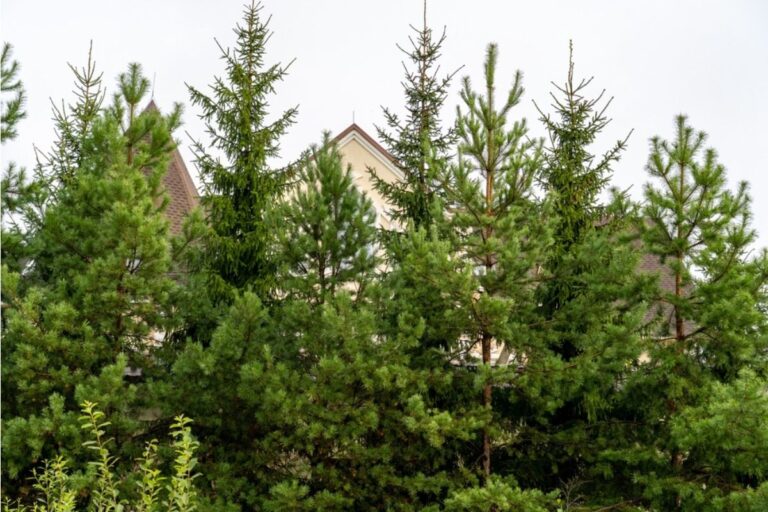
The vegetation wasn’t exactly a carefully manicured hedge. It included invasive bush honeysuckle, trumpet vine, and other established growth that had been there for years, possibly decades. But the homeowners had intentionally maintained their side because it gave them privacy, shade, wildlife, and a much nicer view from their house. What they thought was a useful natural screen had apparently looked like an ugly mess to the neighbor.
The Green Wall Had Quietly Become Part of Their Home
The vegetation along the boundary had served as much more than a collection of bushes. From the homeowners’ driveway, it blocked the view of the neighboring backyard and helped conceal garbage cans and gardening supplies. It also shaded the side of their garage, making the area feel more secluded. From an upstairs bedroom window, the view was mostly greenery instead of the neighbor’s yard.
The plants had also become something of a miniature wildlife habitat. Birds nested among the branches, while trumpet vine flowers attracted a hummingbird that regularly visited the area. At one point, a doe and her fawn even used the spot as a place to rest. To the homeowners, the vegetation had value that couldn’t be measured simply by whether the plants were attractive landscaping.
The Neighbor Saw Something Completely Different
The neighbor apparently had a very different opinion of the same stretch of land. To him, much of it was invasive bush honeysuckle and generally unattractive vegetation. Most of the trunks appeared to be on his side of the property line, while the foliage extended well into the other yard. From his perspective, cleaning up his own property was a straightforward landscaping decision.
He also apparently believed that the homeowners were making far too much of what amounted to a weed bush. His reasoning was that if the situation were reversed, he wouldn’t expect anyone to ask before removing something he considered ugly and invasive from their own property. Unfortunately, that logic became much less comfortable once vegetation from the other side was removed too.
The Homeowners Didn’t Object to Improving the Area
Interestingly, the homeowners weren’t opposed to changing the boundary themselves. They acknowledged that the honeysuckle was invasive and said they had already removed plenty of it elsewhere on their property. They also weren’t particularly attached to preserving every plant exactly as it was. If the neighbor had raised the issue beforehand, they could have discussed alternatives.
A conversation might even have produced a solution that benefited everyone. The invasive plants could have been removed, while native shrubs or other screening plants could have been installed in their place. Instead, the homeowners returned home to discover that the entire green screen had simply disappeared. The surprise was arguably more upsetting than the landscaping decision itself.
Then Came the Awkward Property-Line Question
The homeowners estimated that roughly 80 percent of the vegetation had been on the neighbor’s side and about 20 percent on theirs. They were referring mainly to where the trunks were located, because the foliage on their side had extended roughly 10 feet into their yard. Their side had also been deliberately trimmed and maintained, unlike the neighbor’s portion.
That uncertainty suddenly mattered a lot more after the landscaping crew finished. The homeowners already had a professional boundary survey from several years earlier, but they wanted the original surveyor to return and physically mark the line through the cleared area. Their neighbor thought bringing in a surveyor was excessive. They saw it as a simple way to establish exactly where each property began and ended.
One Response Said They Were Overreacting
A response from a person took the strongest position against the homeowners. The person argued that they could reasonably be about 20 percent annoyed because some vegetation was apparently theirs, but the neighbor wasn’t responsible for providing them with a particular view. From that perspective, the neighbor had every right to remove the ugly growth from his own property.
The response also questioned why another survey was necessary if the neighbor had already agreed not to touch anything else. That argument made the homeowners reconsider their reaction, and they admitted that it was exactly the kind of reality check they had been looking for. They even joked that the “20 percent mad” comment was a useful reminder to keep the dispute in perspective.
But the Survey Wasn’t Really About Trust
The homeowners clarified that the survey wasn’t being ordered because they thought the neighbor would break his promise. He had agreed to leave the remaining vegetation alone, and they believed him. Their concern was that the landscaping project wasn’t necessarily finished and that future planting or cleanup could accidentally cross the boundary.
They also needed to know where their own property began before replacing the privacy screen. One response from a person agreed that clearly marking the property line was perfectly reasonable. Knowing exactly where the boundary sits could prevent another misunderstanding before either homeowner plants, removes, or modifies anything near it.
The Invasive Plant Argument Complicated Everything
Several responses focused less on the neighbor’s behavior and more on the vegetation itself. Bush honeysuckle is invasive in many parts of the United States, and people pointed out that allowing it to remain can create ongoing problems. One person argued that removing a mature plant could actually benefit the entire neighborhood by reducing the source of new seedlings.
The homeowners didn’t really disagree with that point. They acknowledged that they weren’t planning to start a bush honeysuckle restoration project. Their frustration was that the plant’s invasive status didn’t automatically answer the separate question of whether someone should remove vegetation growing on another person’s property without asking. They would have been perfectly willing to discuss replacing it with something better.
One Gardener Explained Why the Bush Kept Returning
A particularly detailed response came from a person who worked in invasive plant removal. The person explained that mature honeysuckle can act as a major source of seeds, meaning that the seemingly endless seedlings appearing elsewhere might be connected to established plants nearby. From that perspective, removing the mature growth could make future invasive-plant management easier.
The response also suggested replacing the honeysuckle with native screening plants after the removal was complete. Other people mentioned options such as native viburnums, spicebush, and native vines or trellised plants. That advice gave the homeowners a possible path forward, even if it didn’t change how the original removal had been handled.
Some People Thought the Neighbor Should Have Asked Anyway
Other responses weren’t willing to let the invasive-plant argument settle the issue. One response from a person pointed out that the neighbor could have simply knocked on the door and explained what the landscapers were planning to do. Even if the neighbor had every right to remove vegetation on his own side, asking about the plants that crossed the boundary would have been basic courtesy.
Another response compared the situation to neighbors who routinely communicate about shared trees, hedges, and other boundary vegetation. The person described neighbors working together on large landscaping projects rather than making unilateral decisions. The lesson was simple: even when someone technically has control over their own property, a quick conversation can prevent an enormous amount of unnecessary tension.
The Homeowners Had Actually Been Maintaining Their Side
Some people assumed the vegetation was simply an abandoned strip of weeds. The homeowners pushed back on that characterization. Their side had been intentionally trimmed and shaped, including keeping the growth away from the gutters and maintaining a particular tunnel-like appearance.
The homeowner also revealed that they had previously been a certified master gardener through a county extension program and had studied horticulture. They knew the honeysuckle was invasive and had been removing it from other parts of the property. The particular bush had simply received a temporary “stay of execution” because it was useful as a privacy screen.
The Vegetation Had a Surprisingly Long History
There was another detail that made the situation more interesting. The homeowners had an old video of their house from the 1950s, and the honeysuckle appeared to have already been there. That suggested the vegetation wasn’t merely a recent accident caused by neglect. It may have been planted decades ago when invasive honeysuckle was still being used as an ornamental landscape plant.
There were also remnants of an old collapsed retaining wall and fencing tangled through the vegetation. The area had apparently evolved over many years rather than appearing overnight. That history helped explain why the homeowners had become accustomed to it and why its sudden disappearance felt so dramatic.
The Neighbor’s Insults Made the Situation Worse
The dispute might have remained a relatively minor disagreement if the neighbor had simply acknowledged that the homeowners were upset. Instead, the homeowners said he became defensive and described them as “unhinged,” “bat shit crazy,” and selfish. Those comments transformed a landscaping disagreement into a much more personal conflict.
One response from a person pointed out that the homeowners could reasonably be upset about vegetation disappearing from their property without notice, even if the neighbor’s intentions weren’t malicious. Another suggested that the neighbor’s reaction was unnecessary and that simply acknowledging the misunderstanding would have been a better approach. Once insults entered the conversation, finding a calm compromise became considerably harder.
Then the Neighbor Revealed He Was Selling the House
The story took another turn when the neighbor told the homeowners that he was putting his house up for sale. Suddenly, his sudden enthusiasm for cleaning up the yard made more sense. The homeowners had wondered why, after several years, he had abruptly decided to undertake such a major landscaping project.
That revelation also changed the stakes somewhat. The neighbor might have been trying to make the property more attractive to potential buyers rather than deliberately targeting the homeowners’ privacy. That didn’t erase the boundary issue, but it provided a plausible explanation for why the landscaping project had appeared so suddenly.
Some Responses Thought the Homeowners Should Just Move On
Not everyone believed the dispute deserved much more attention. One response from a person said that if most of the vegetation belonged to the neighbor and was invasive, the homeowners should simply accept the situation and plant something better. Others suggested installing a privacy fence or creating a new screen entirely on their own side.
That advice had some practical appeal. Starting a long-running feud over an invasive shrub probably wouldn’t make the homeowners’ lives better. The fastest route to restoring privacy might simply be to establish the property line, plant appropriate native vegetation, and make sure everything remains clearly within their own yard.
Others Thought the Lack of Permission Was the Real Problem
A different group saw the issue very differently. To them, the type of plant was almost irrelevant. If part of the vegetation was actually growing on the homeowners’ property, they believed the landscapers should not have removed it without permission. One response from a person argued that calling something a weed doesn’t give someone else the right to remove it from another person’s yard.
That distinction seemed to capture the homeowners’ own feelings. They weren’t demanding that the neighbor preserve invasive honeysuckle forever. They were upset that he made the decision for them without asking. Had he approached them first, they might have agreed to remove the vegetation themselves and replace it with a more appropriate screen.
The Property Line Became the Most Important Detail
The more responses the homeowners received, the more obvious it became that establishing the boundary was probably the sensible next step. Without a clearly marked line, both sides could continue making assumptions about where one person’s property ended and the other’s began. That could create even bigger problems if new landscaping was installed.
One response from a person recommended placing a simple physical marker along the boundary once it had been professionally established. Others suggested that the homeowners could then plant their replacement screening slightly inside their own property. That approach would remove much of the ambiguity that had caused the original dispute.
A New Privacy Screen Could Be Better Than the Old One
Several responses encouraged the homeowners to treat the cleared space as an opportunity. Instead of recreating the same tangled mass of vegetation, they could install native shrubs that provided privacy while supporting birds and pollinators. Fast-growing plants, trellises, vines, or even a properly positioned fence were all suggested as alternatives.
The homeowners had already started thinking along those lines. They had previously tried planting spicebush, although it didn’t survive the winter. Their goal wasn’t simply to recreate the honeysuckle. They wanted the privacy and greenery back, preferably in a form that would be healthier for the landscape and easier to control.
The Most Reasonable Responses Found a Middle Ground
The strongest middle-ground argument was that both sides could have handled the situation better. The neighbor was entitled to clean up his own property and dislike the invasive vegetation. At the same time, the homeowners had a legitimate reason to be upset if vegetation on their side was removed without permission.
A response from a person summarized the distinction particularly well by separating the initial shock from the long-term solution. The homeowners could acknowledge that the neighbor’s intentions may not have been malicious while still making it clear that future work near the boundary needed communication. That approach allowed them to defend their property without turning a disagreement into an all-out neighbor war.
The Wildlife Made the Loss Feel More Significant
The privacy screen wasn’t only valuable because it blocked an unpleasant view. It had created a small habitat that attracted birds and hummingbirds and occasionally provided shelter for larger wildlife. For someone who enjoys a more natural landscape, losing that habitat can feel much more significant than losing a few shrubs.
One response from a person specifically sympathized with the homeowners because of the wildlife. Another suggested replacing the old vegetation with native plants that could provide similar benefits without relying on an invasive species. In that sense, the cleared area could eventually become even better habitat than it was before, although it would take time for new plants to mature.
The Homeowners Weren’t Looking for a Fight
Despite the anger, the homeowners repeatedly emphasized that they weren’t interested in waging war over a bush. They wanted the boundary clearly established and hoped to come up with a landscaping plan that worked for both properties. They also acknowledged that their neighbor had legitimate reasons for wanting the invasive vegetation gone.
That attitude was important because the disagreement could easily have become a permanent feud. Instead, the homeowners seemed to be looking for a way to restore their privacy while allowing the neighbor to manage his property as he wished. The biggest thing they wanted going forward was communication before anyone crossed the property line.
The Real Lesson Was About Boundaries
Ultimately, the story wasn’t really about honeysuckle. It was about what happens when two homeowners have different ideas about what belongs along a property boundary. One person saw an ugly invasive thicket that needed to disappear, while the other saw privacy, shade, wildlife, history, and a familiar part of the landscape.
A response from a person offered perhaps the most practical takeaway: once the property line is professionally marked, each homeowner can make decisions on their own side without guessing. The homeowners can restore their greenery, while the neighbor can continue improving his yard without worrying about accidentally crossing the boundary.
What began with an unexpected landscaping job could therefore end with something both sides probably needed anyway: a very clear line between their properties.