She Thought Her Garden Was Simply Struggling This Year, Until a Soil Test Revealed Her Neighbor Had Been Dumping Something Toxic for Months
She had been gardening in the same backyard for nearly fifteen years, so she knew every flower bed, every vegetable row, and every patch of healthy soil. When her plants began wilting despite careful watering and fertilizing, she assumed it was simply an unusually difficult growing season.
Friends suggested pests, poor seed quality, or bad luck. She accepted those explanations until strange clues kept piling up and made it impossible to ignore that something much more serious was happening.
Healthy Plants Began Dying Without Any Clear Reason
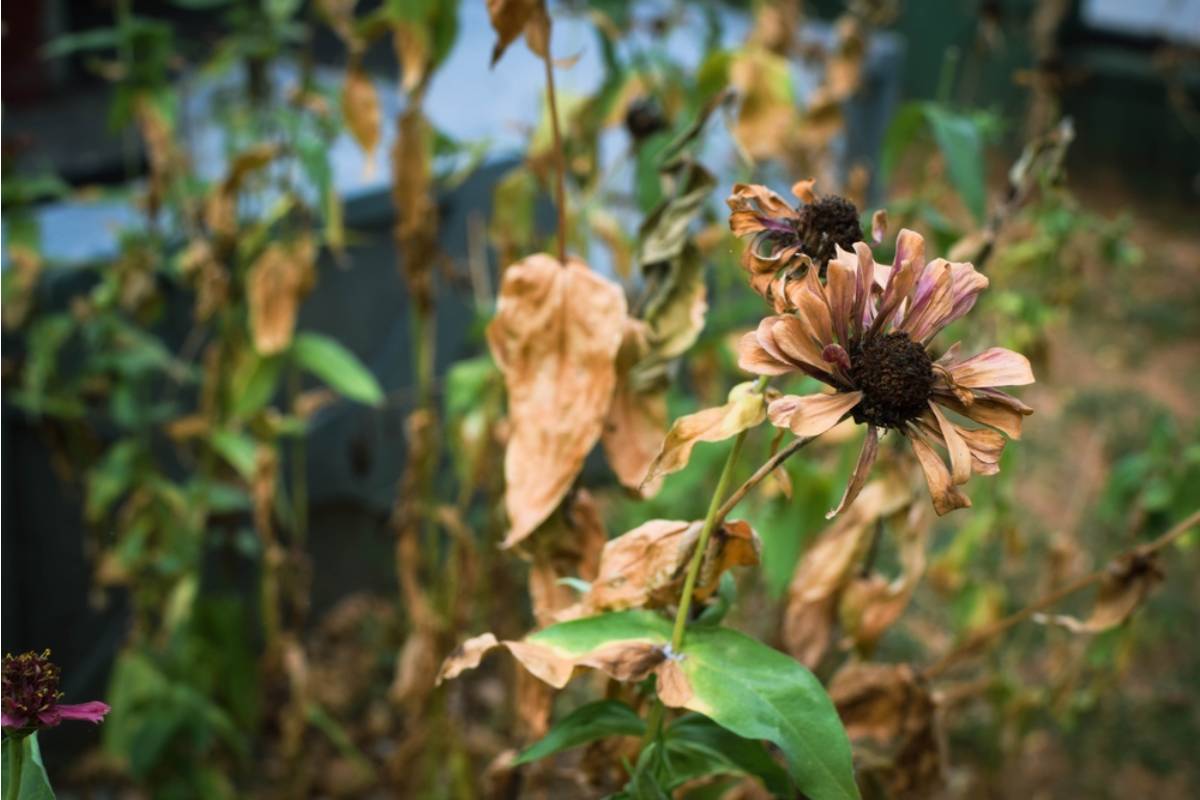
Spring started with high hopes as Emily planted tomatoes, peppers, herbs, and colorful flowers around her backyard. The seedlings looked healthy for the first few weeks before they suddenly slowed their growth. Leaves turned yellow at the edges while stems became brittle for no obvious reason.
She adjusted her watering schedule and even replaced several plants, believing she had made a gardening mistake. Instead of improving, every replacement followed the exact same pattern. It felt less like bad luck and more like an invisible problem hiding beneath the surface.
Advice From Other Gardeners Only Added More Confusion
Emily visited a nearby garden center carrying samples of damaged leaves. Employees inspected them and suggested several possible diseases, but none completely matched what they were seeing. She purchased new fertilizer and organic treatments anyway.
Her gardening club members shared stories about difficult seasons and encouraged patience. Everyone had a different theory, yet no solution worked. Every failed attempt left Emily more frustrated because nothing explained why only her backyard looked so unhealthy.
One Section of the Yard Looked Completely Different
As weeks passed, Emily noticed something unusual along the fence separating her property from her neighbor’s yard. Plants closest to that boundary died first while those farther away struggled but survived longer. The pattern looked too organized to be random.
She crouched beside the fence one afternoon and noticed the soil there felt unusually compact and carried a faint chemical smell. It disappeared quickly in the open air, making her wonder if she had imagined it. Still, the observation stayed in the back of her mind.
Her Neighbor Always Seemed Nervous Around the Fence
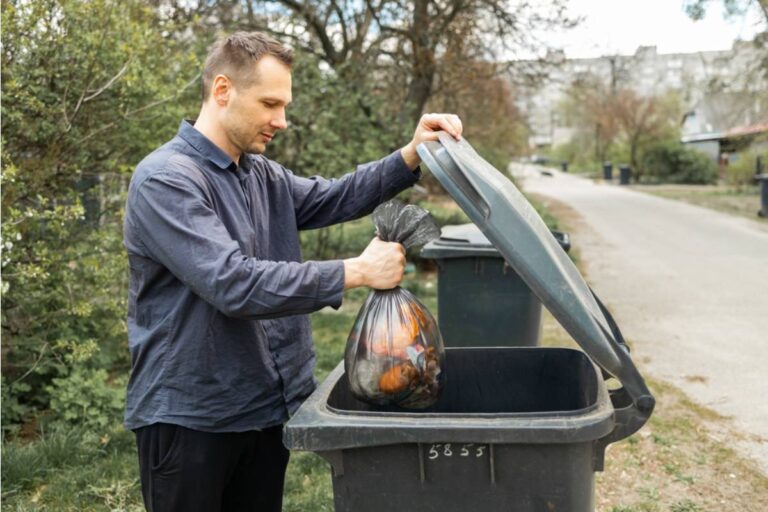
The neighbor, Carl, had lived next door for only about a year. He rarely spoke beyond a quick greeting and usually avoided conversations about their properties. Emily remembered seeing him carrying sealed buckets toward the back corner of his yard several times.
Whenever she worked near the fence, Carl suddenly became interested in finding something to do on the opposite side of his yard. His behavior seemed odd but not enough to accuse him of anything. She convinced herself she was connecting unrelated events.
An Unexpected Discovery During Weekend Cleanup
While pulling dead plants from the fence line, Emily uncovered several patches of soil that looked darker than the surrounding ground. Mixed into the dirt were small clumps of gray material unlike anything she had ever used in her garden.
She collected a few samples in sealed bags, intending to ask someone at the county extension office if they recognized it. Even if it turned out to be harmless, she wanted an explanation before planting anything else in that area.
The County Extension Agent Suggested Something Serious
The extension agent listened carefully before examining the samples. Instead of immediately identifying the material, he recommended a professional soil analysis. He explained that unexplained plant failure combined with unusual soil discoloration deserved proper testing rather than guesswork.
Emily mailed several samples from different parts of her yard, carefully labeling each location. She expected the results to reveal a nutrient deficiency or common contamination. She never imagined the report would point toward something far more disturbing.
The Laboratory Results Changed Everything
When the report arrived, Emily read it twice because she could hardly believe the findings. The soil near the fence contained chemical contaminants at levels far above what should naturally exist in a residential garden. Samples collected farther from the fence showed dramatically lower concentrations.
The laboratory recommended avoiding food production in the affected area until the contamination source could be identified and removed. Suddenly every failed plant, every strange smell, and every unusual patch of dirt fit together like pieces of a puzzle.
A Security Camera Filled in the Missing Pieces
Emily mentioned the test results to another neighbor across the street. The woman hesitated before admitting her backyard security camera occasionally captured activity behind both homes. She searched through older recordings and discovered footage from several different evenings.
The videos showed Carl carrying containers to the shared fence and emptying their contents through a gap beneath the boards. Although the footage was grainy, the repeated behavior was impossible to dismiss as an accident. Emily finally had evidence that matched the laboratory findings.
The First Conversation Did Not Go as Expected
Emily walked next door carrying copies of the soil report instead of immediately calling authorities. She hoped there had been some misunderstanding that could be resolved with an honest conversation. Carl opened the door looking visibly uncomfortable.
When she calmly asked about the recordings, he denied everything at first. After she mentioned the laboratory results and security footage, his expression changed completely. Rather than apologizing, he abruptly ended the conversation and shut the door.
Local Officials Began Their Own Investigation
Emily contacted the appropriate environmental office and submitted both the laboratory report and copies of the recordings. Investigators visited the property within days and collected independent soil samples from both sides of the fence.
They also interviewed nearby residents who recalled seeing Carl dispose of containers behind his shed on multiple occasions. Several people admitted they had noticed strange odors but assumed they came from ordinary yard work. The growing collection of evidence painted a much clearer picture.
The Truth Finally Came Out
Investigators eventually determined Carl had been improperly disposing of leftover chemicals instead of taking them to an approved hazardous waste facility. Believing the narrow strip behind the fence would hide the evidence, he repeatedly dumped waste where he assumed nobody would notice.
He later admitted he never expected the contamination to spread beyond the immediate area. Unfortunately, rainfall and natural soil movement slowly carried the material into Emily’s garden beds. What seemed like a convenient shortcut created months of damage for someone else.
Rebuilding the Garden Took Patience
The contaminated soil had to be removed before Emily could safely grow vegetables again. Watching workers dig up sections of the garden she had built over many years was heartbreaking. Still, she reminded herself that replacing soil was far better than continuing to grow food in contaminated ground.
Friends from her gardening club volunteered to help rebuild the beds once the cleanup was complete. Together they spread fresh soil, installed new borders, and replanted flowers that symbolized a fresh beginning rather than another disappointing season.
The Neighborhood Learned an Important Lesson
News of the investigation spread quickly through the community. Several neighbors admitted they had never considered how improper disposal of household chemicals could affect nearby properties. The incident inspired the neighborhood association to invite environmental experts to discuss safe disposal practices.
Attendance exceeded everyone’s expectations because people realized the issue could impact any homeowner. Instead of ignoring uncomfortable conversations, residents became more willing to ask questions when something seemed unusual.
A Backyard That Finally Began to Heal
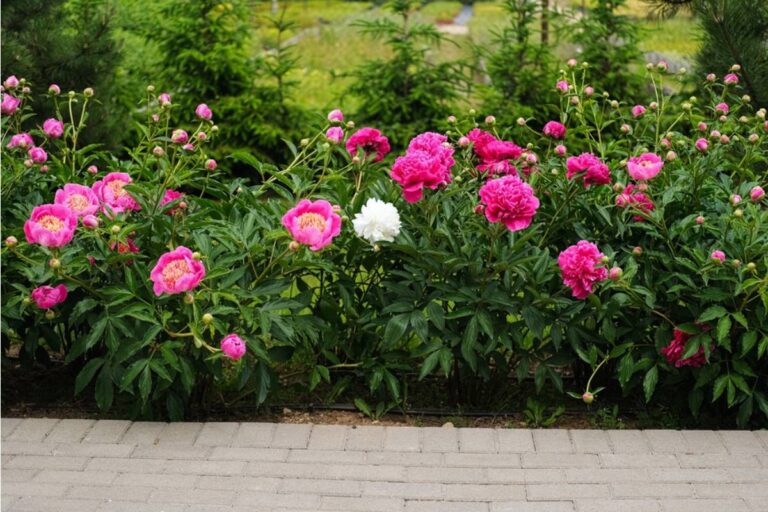
The following growing season looked completely different from the one before it. Fresh vegetables filled the raised beds, flowers bloomed along the walkways, and healthy green leaves replaced the yellow, lifeless plants that had once covered the yard. Every new blossom reminded Emily how close she had come to giving up gardening altogether.
Looking back, she realized the biggest mistake would have been accepting easy explanations without investigating further. Trusting her instincts, documenting what she observed, and insisting on a professional soil test uncovered the real problem before the damage became even worse. Her garden recovered because she refused to ignore the warning signs hidden beneath the surface.