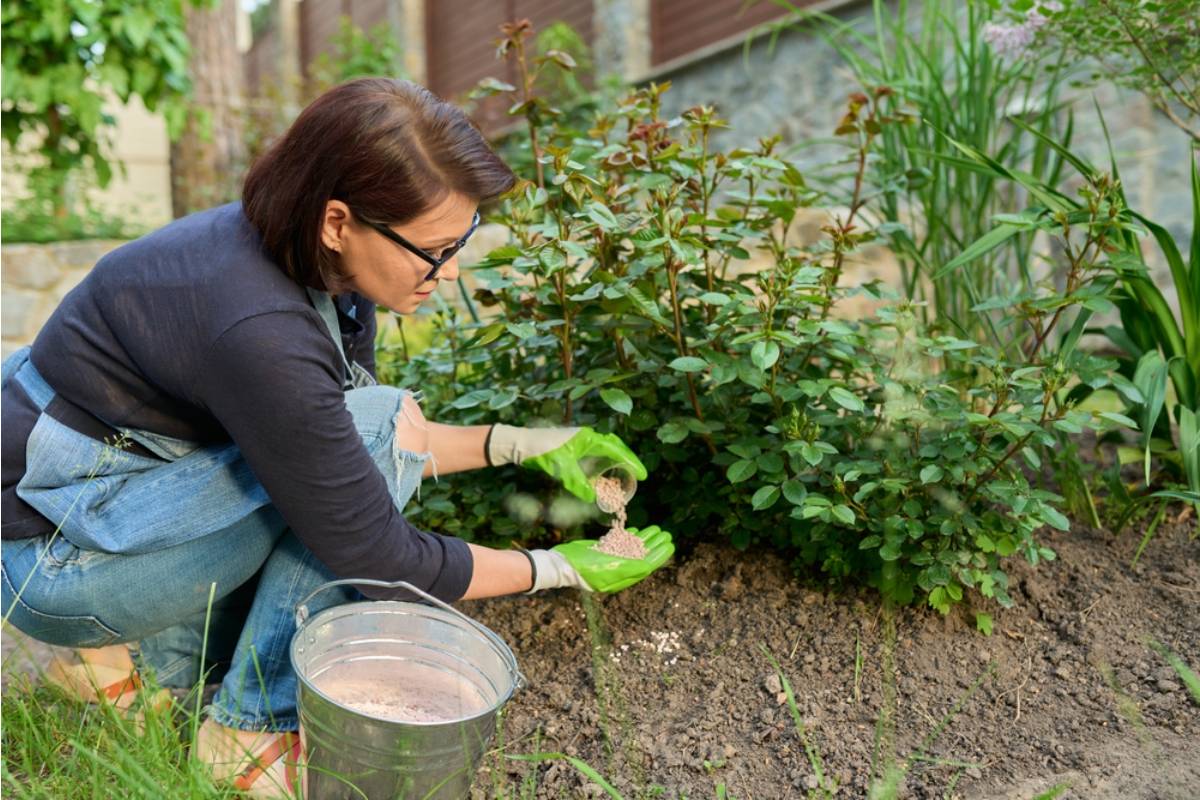
Some Home Gardeners Are Fermenting Their Own Liquid Fertilizer From Kitchen Scraps, And Experienced Growers Say the Results Are Hard to Argue With
In a suburban neighborhood in Washington State, a small group of home gardeners began experimenting with turning kitchen scraps into liquid fertilizer. What started as curiosity about reducing waste quickly turned into something much more serious when their plants began showing unusual levels of growth.
The method was simple enough, involving sealed containers, food scraps, and time, but the results were difficult to ignore. Soon, word spread from yard to yard, and even skeptical gardeners started paying attention. What followed was a mix of excitement, disagreement, and unexpected consequences that no one fully anticipated.
A Backyard Experiment Begins With Leftovers
Emily was the first in her neighborhood to try fermenting kitchen scraps into fertilizer after reading about it in a gardening group. She started with fruit peels, vegetable scraps, and leftover coffee grounds placed in a sealed bucket behind her shed. At first, it looked like nothing more than a compost experiment that might fail quietly. Her husband joked that it smelled more like science than gardening. Still, Emily kept notes and waited to see what would happen.
The First Plants Show Unusual Growth
Within weeks, Emily noticed her tomato plants were growing faster than usual. The leaves looked deeper in color and the stems thicker than anything she had grown before. She assumed it might be a good season or improved sunlight conditions. But when her peppers started producing earlier than expected, she began questioning the real cause. The timing matched closely with when she started using the fermented liquid.
A Neighbor Notices Something Different
Across the fence, Robert, a retired mechanic, noticed Emily’s garden looking unusually full. He asked her what she had changed, assuming she had switched fertilizers. Emily explained her kitchen scrap method casually, not expecting much reaction. Robert was skeptical but intrigued enough to try it himself. He said he had nothing to lose and plenty of garden space to experiment with.
The Smell Becomes a Neighborhood Topic
As more residents tried the method, the smell of fermentation became noticeable in parts of the neighborhood. Some described it as earthy, others as unpleasant. One neighbor even joked that the street had turned into a science lab. Despite the complaints, most gardeners insisted the results justified the inconvenience. The discussion quickly shifted from curiosity to debate.
A Skeptical Gardener Tries It Quietly
Linda, who had always preferred traditional fertilizers, decided to test the method in a small corner of her garden. She did not tell anyone at first, wanting to avoid expectations. After a few weeks, her lettuce patch began growing faster than the rest of her yard. She was surprised enough to mention it during a neighborhood gathering. That admission changed the tone of the entire conversation.
A Gardening Group Turns Into a Testing Circle
A few neighbors formed an informal group to compare results from different fermentation methods. Some used fruit based mixtures, while others experimented with vegetable scraps only. They began tracking plant growth more seriously, taking notes and comparing yields. The differences were noticeable but inconsistent, leading to heated discussions. What started as casual sharing turned into structured observation.
A Sudden Plant Overgrowth Raises Concerns
In Robert’s yard, one section of cucumbers grew aggressively and began overtaking nearby plants. While impressive at first, the growth became difficult to manage. Some stems broke under their own weight, and spacing became an issue. Robert admitted he may have used a stronger batch of fertilizer than intended. That moment introduced the idea that results could also become a problem.
A Master Gardener Offers a Warning
A local master gardener named Carol visited one of the informal gatherings after hearing about the trend. She examined the plants and listened to the gardeners’ experiences. While she acknowledged the improved growth, she warned that fermentation strength and consistency could vary widely. She explained that too much can disrupt soil balance over time. Her comments introduced caution into what had become an enthusiastic movement.
A Failed Batch Creates Unexpected Damage
One gardener accidentally left a batch fermenting too long, resulting in an overly concentrated mixture. After applying it, several plants in her herb section began wilting unexpectedly. She initially thought it was disease or pests, but later realized the fertilizer had overwhelmed the soil. That incident made others more careful about measurements. The community started treating the process with more respect.
A Backyard Comparison Becomes Competitive
As results varied, neighbors began comparing whose gardens were performing best. Some saw the method as a breakthrough, while others remained hesitant. Friendly competition turned into subtle rivalry during weekly chats. Photos of plants were shared and debated. The focus shifted from curiosity to proving effectiveness.
A Gardening Store Notices a Shift in Sales
A nearby garden supply store owner noticed a slight decline in liquid fertilizer sales among regular customers. When asked, several gardeners mentioned they were experimenting with homemade alternatives. The store owner was not alarmed but found the trend interesting. He even started stocking containers suitable for fermentation. The practice was quietly entering mainstream awareness.
A Community Garden Adopts the Method Carefully
The local community garden decided to test small controlled batches of fermented fertilizer. They assigned specific plots for comparison with traditional methods. Volunteers monitored plant health more closely than before. The results were mixed but generally positive. The experiment added credibility without fully replacing conventional practices.
A Strong Harvest Season Changes Opinions
By the end of the season, several gardeners reported larger harvests than usual. Tomatoes, peppers, and leafy greens all showed noticeable improvements in yield. Even skeptics admitted the results were difficult to dismiss. However, most agreed that careful control was necessary. The method was no longer seen as a trend but as a tool requiring understanding.
A Quiet Shift in Gardening Habits
Months later, many households continued using fermented fertilizer in small, controlled amounts. Some returned to traditional methods, while others blended both approaches. The neighborhood had quietly changed how it thought about waste and gardening. Kitchen scraps were no longer just trash but potential plant food. What began as an experiment had become a lasting habit with cautious respect.