Some Home Gardeners Are Growing Their Own Horseradish in Buried Containers to Stop It From Taking Over the Yard, And the Trick Is Catching On
When Karen planted horseradish in the corner of her backyard, she thought it would be another easy addition to her vegetable garden. Friends had warned her the roots could spread aggressively, but she assumed regular maintenance would keep everything under control.
For the first year, nothing seemed unusual. Then new shoots started appearing far from the original planting spot. What happened next led her to discover a simple gardening method that quickly caught the attention of neighbors throughout her community.
The First Surprise Came Outside the Garden Bed
Karen was pulling weeds along her flower border when she noticed several unfamiliar leaves poking through the mulch. At first she thought they belonged to weeds carried in by birds. After digging one up, she realized it was connected to a thick horseradish root stretching underground. The plant had traveled much farther than she ever expected. She suddenly understood why experienced gardeners had warned her.
Every Weekend Revealed New Growth
Removing one cluster only seemed to encourage another to appear somewhere else. Fresh shoots emerged beside her herbs, near the compost pile, and even close to a young maple tree. Karen spent hours digging, convinced she could remove every piece. No matter how carefully she searched, another patch surfaced the following week. The battle quickly became exhausting.
A Conversation at the Community Garden Changed Everything
During a volunteer gardening event, Karen mentioned her problem to an older gardener named Steve. Instead of laughing, he nodded knowingly and asked if she had ever heard of buried containers. Karen admitted she had not. Steve explained that several longtime gardeners grew horseradish inside large containers sunk into the ground, allowing the roots to develop while preventing them from spreading through the yard. The idea sounded almost too simple to work.
Digging Up the Original Plant Became a Challenge
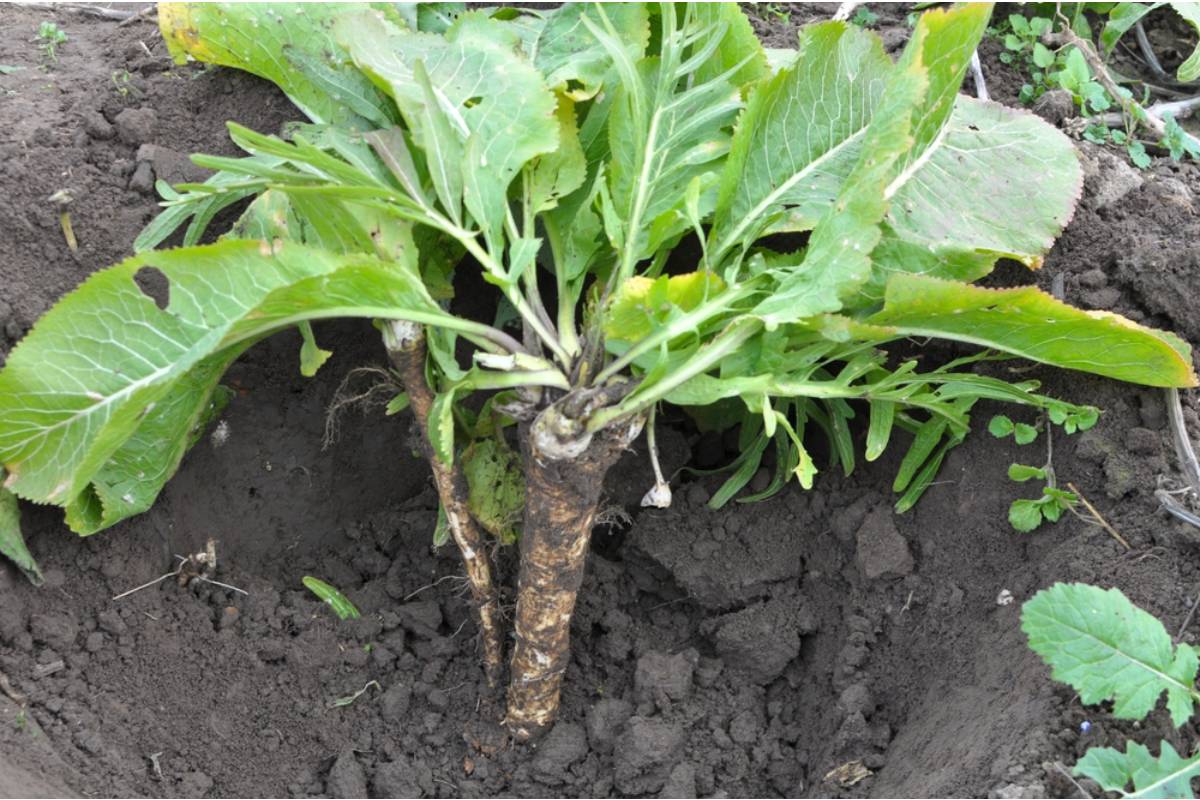
Karen decided to remove as much of the original horseradish as possible before trying the new approach. She quickly discovered the roots twisted in multiple directions beneath the soil. Every time she thought she had reached the end, another thick section appeared. By the time she finished, she appreciated why so many people struggled to control the plant. It was far more stubborn than any vegetable she had grown before.
The Container Experiment Began
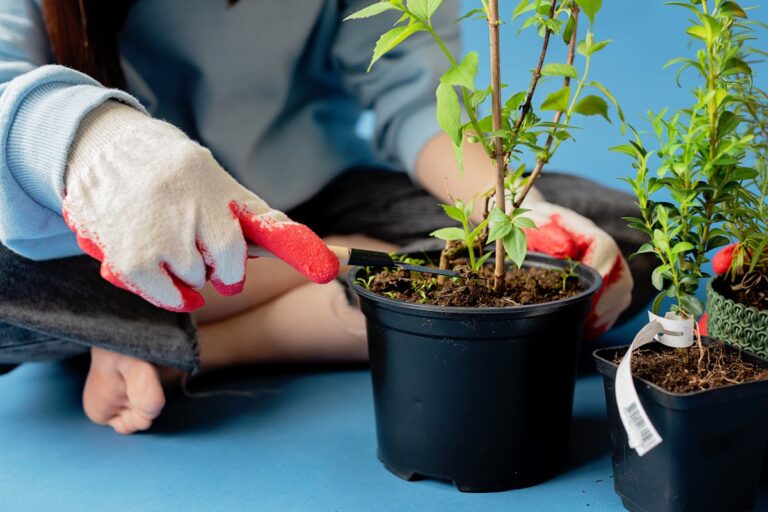
Karen found a sturdy plastic container deep enough to support healthy root growth. She buried it so the rim sat just above the soil surface, then filled it with fresh garden soil before replanting a healthy horseradish root inside. From a distance, the container blended naturally into the garden bed. The setup looked ordinary, but Karen hoped it would solve months of frustration.
Friends Could Not Tell What Had Changed
When neighbors stopped by to admire the garden, nobody noticed the hidden container until Karen pointed it out. Several were surprised to learn the horseradish was no longer growing directly in the ground. One neighbor admitted she had avoided planting it because she feared it would spread everywhere. Karen explained how the buried container kept the roots contained while still allowing the plant to thrive. The demonstration sparked plenty of curiosity.
An Unexpected Visitor Asked for Advice
A local gardening club toured neighborhood gardens later that season. One member stopped in front of Karen’s horseradish and immediately asked how she had managed to keep it confined to such a neat area. Karen showed the slightly raised edge of the buried container and described her experience with runaway roots. Several visitors took photos and wrote down notes. The simple solution quickly became one of the most discussed ideas of the day.
A Neighbor Put the Method to the Test
Inspired by Karen’s success, her neighbor Melissa tried the same technique in her own backyard. She planted fresh horseradish inside a buried container near her raised vegetable beds. Months later, Melissa proudly reported that no surprise shoots had appeared outside the planting area. Her success convinced several other neighbors to follow the same approach. What began as one experiment was turning into a neighborhood trend.
Social Media Spread the Idea Even Further
Melissa shared pictures of the buried container method in a local gardening group online. Within days, dozens of gardeners commented that they planned to try it during their next planting season. Others shared stories about spending years trying to remove unwanted horseradish from their yards. The discussion grew much larger than anyone expected. Karen was amazed that her frustrating experience had helped so many others.
The Harvest Proved Nothing Was Lost
When harvest time arrived, Karen carefully lifted the container from the ground. The roots had grown thick and healthy without escaping into the surrounding soil. Harvesting was easier because every root remained inside the container instead of spreading unpredictably. She replanted a small section and returned the container to its place. The process took far less effort than her previous attempts to control the plant.
Local Gardeners Started Sharing Their Own Variations
Soon gardeners began adapting the idea using different types of containers that suited their own landscapes. Some preferred heavy-duty nursery pots while others reused durable plastic tubs with drainage holes. Everyone agreed the key was keeping the roots contained beneath the surface. Garden club meetings suddenly included lively discussions comparing different setups. The buried container method became one of the season’s favorite topics.
A Simple Trick Became a Lasting Habit
The following spring Karen noticed something she had not seen in years. No unexpected horseradish shoots appeared in her flower beds or lawn. Her garden required less maintenance, and she could finally enjoy growing the flavorful root without worrying about it taking over the yard. Neighbors continued adopting the same method after seeing the results firsthand. What started as one gardener’s solution to a frustrating problem quietly became the preferred approach for many home gardeners.