Some Home Gardeners Are Saving and Replanting Seeds From Every Harvest, And After Two Years They Say They Have Not Bought a Single Seed Packet Since
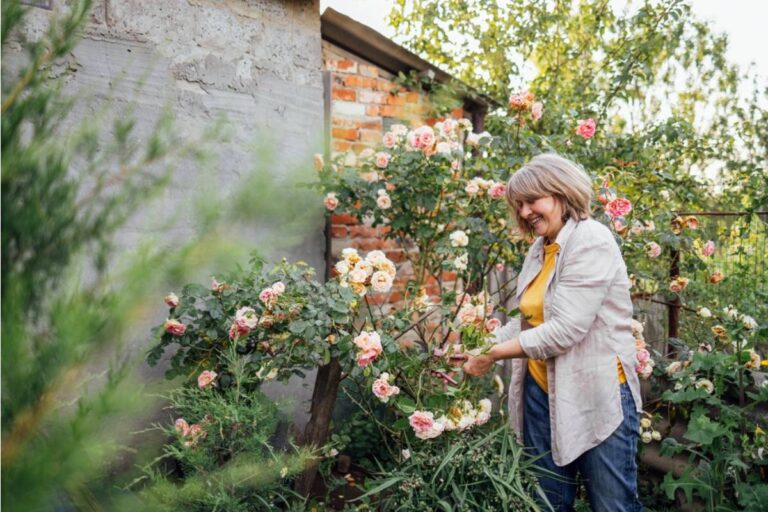
It began with a small backyard vegetable patch that was meant to be simple and temporary. She planted store bought seeds like everyone else, expecting normal results and a modest harvest. The tomatoes came in strong, the peppers did well, and the beans produced more than she expected. Instead of tossing scraps, she started saving the best looking fruits from each plant. That habit would quietly change how she approached gardening entirely.
A conversation at the farmers market stall
One weekend, she mentioned to a vendor that she was thinking about saving seeds from her tomatoes. The vendor did not dismiss it, but instead asked if she had ever tried selecting from the strongest plants. He explained that seed saving was not just storage but gradual improvement over time. That idea stuck with her more than the produce she bought that day. She went home thinking her garden might be more flexible than she realized.
The first real seed saving attempt
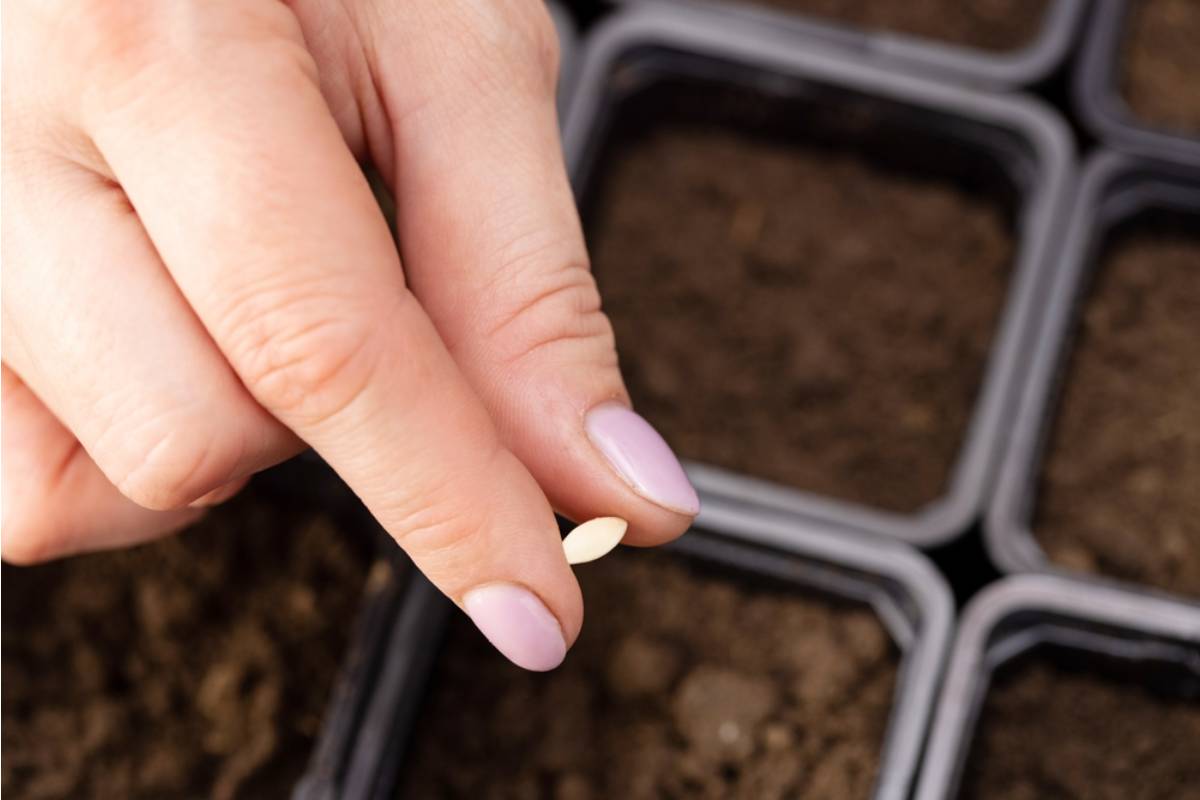
At the end of the season, she carefully collected seeds from her healthiest tomato plant. She dried them on a paper towel and labeled them in a small container. It felt surprisingly intentional, almost like preserving something important instead of leftover scraps. Her husband joked that she was turning the kitchen into a science lab. She did not argue because part of her already felt that way.
Planting seeds that came from her own yard
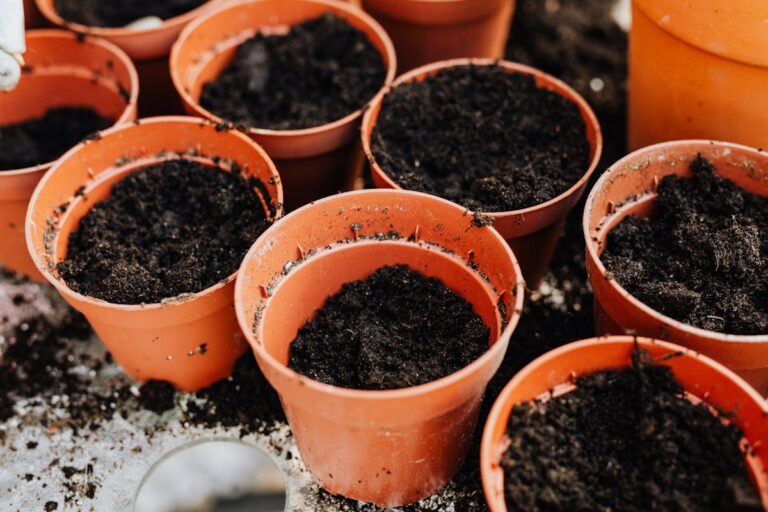
The next spring, she planted those saved seeds in the same beds where the original plants had grown. She did not expect much difference at first, assuming they would behave the same as store bought ones. But the seedlings appeared faster and seemed more adapted to the soil conditions. They did not struggle as much during early growth stages. That was the first time she noticed something changing.
A neighbor noticing the difference
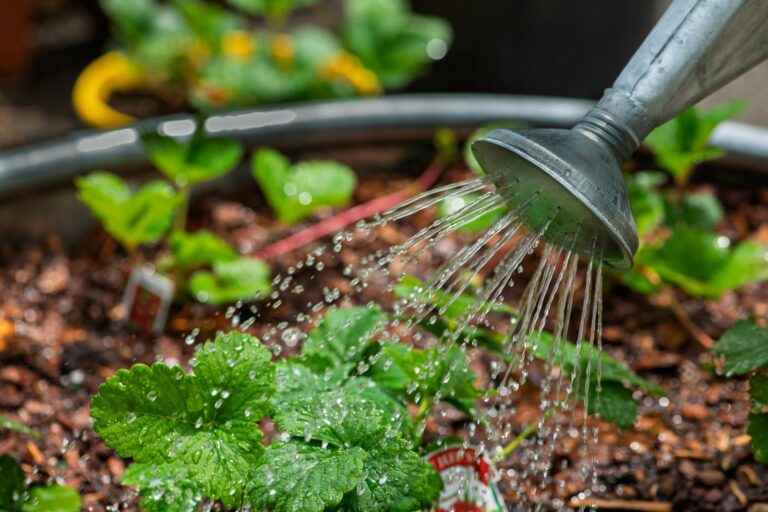
Her neighbor stopped by while she was watering and pointed out how healthy her plants looked compared to previous years. He asked if she had switched fertilizers or started using a different supplier. When she explained she was using seeds from her own garden, he looked surprised but curious. He said most people he knew never bothered to save seeds at all. That conversation made her realize how uncommon the practice still was.
Expanding beyond tomatoes and beans
Encouraged by early success, she started saving seeds from peppers, cucumbers, and even some herbs. Each plant required slightly different handling, so she began paying closer attention to timing and ripeness. Some seeds worked better than others, but she kept learning through each attempt. The garden slowly became more self sustaining than before. She stopped thinking of seed packets as a yearly necessity.
The year she stopped buying anything new
By the second full season, she realized she had not purchased a single seed packet. Everything in the garden came from previous harvests, carefully selected and stored. She tested germination rates before planting to make sure nothing had degraded. Most of what she planted sprouted successfully, which surprised even her. The system she built had quietly closed its own loop.
A skeptical friend’s reaction during a visit
A friend visiting from out of town looked at the garden and assumed she had expanded her purchases. When she explained that everything started from saved seeds, the friend asked if that was even reliable. She showed the labeled containers and explained how she chose seeds from the strongest plants each year. The friend picked up a handful of beans and studied them like something unusual. It was clear the idea still sounded risky to outsiders.
A problem she did not expect with uniformity
As seasons passed, she noticed that not all plants looked exactly the same anymore. Some tomatoes were slightly different in shape or ripening speed. Instead of seeing it as a problem, she began tracking which variations performed best in her yard. It became less about uniform produce and more about adaptation. The garden was slowly responding to her choices.
Learning to select rather than just harvest
She started paying attention to traits she previously ignored, like drought resistance or fruit density. Instead of saving seeds from every plant, she chose only the ones that performed best under local conditions. That selection process made her feel more involved in each cycle. The garden became a long term experiment rather than a seasonal task. Each year carried forward subtle improvements.
The moment she realized she depended on it
One evening, she looked at her seed storage box and realized everything she needed for next season was already there. There was no need to plan store visits or compare seed catalogs. The system she built had quietly removed a step she once considered normal. It felt efficient but also slightly surprising in how complete it had become. The garden no longer relied on outside inputs the way it once did.
A neighbor asking for advice
Another neighbor eventually asked how she managed to keep her garden so productive without buying new supplies. She explained the selection process and how she saved seeds from the strongest plants each year. He admitted he had always assumed seed saving was complicated or unreliable. She told him it only became consistent after the first full cycle. That conversation made her realize she had unintentionally built a small knowledge system.
Two years later and still self sustaining
After two full years, her garden continued producing everything from its own saved seeds. Each season felt slightly more refined than the last, with stronger plants adapting better to the yard. She no longer thought about seed packets at all because they were no longer part of her routine. What started as a simple experiment had become a stable cycle. The garden now carried its own history forward, one harvest at a time.