A UCCE Master Gardener Says Sprinkler Controllers Can Drop to Half of July’s Water or Less Once the First Two or Three Light Rains Have Fallen
Once the first autumn storms wet the ground, a sprinkler controller left on its July schedule keeps sending water to soil that the rain has already started to fill. Peyton Ellas, a University of California Cooperative Extension master gardener, says controllers can come down to half of July’s water or less after the first two or three light rains.
Ellas, who owns Quercus Landscape Services in Springville, California, made the point in her November garden column in the Sun-Gazette, published Nov. 4, 2026. University of California master gardeners and California water agencies describe the same logic: less water in the cool season, and none at all when rain has done the job.
Two or Three Light Storms, Then the Controller Changes
According to Ellas, the trigger is the first two or three light-rain storms of the season. After that, she wrote, the controller should deliver less. For controllers with a water budget feature, she suggested November can mean 50 percent or lower compared with July.
Ellas also noted that smart controllers with sensors may adjust on their own, and she suggested checking them so water is not wasted.
The University of California Agriculture and Natural Resources office makes the underlying point in a landscape irrigation article dated March 10, 2014. Water needs change with the season, it explains, and lawns that need roughly 0.5 to 0.75 inch a week in spring need about 1 to 1.5 inches in summer heat. It advises turning sprinklers off after rain when the soil is already wet, and it describes a simple check: a screwdriver pushed into the soil that goes in all the way means the soil is moist to that depth.
More Than a Half-Inch of Rain to Reach the Roots
Light rain wets the surface without soaking the root zone, which is why Ellas ties the cut to a series of storms rather than a single shower. In her column she wrote that it takes more than a half-inch of precipitation to soak the soil down to the root zone of established shrubs and trees.
Ellas wrote that established trees and large shrubs should be watered deeply in a dry month, even after they have lost their leaves. She also wrote that the forecast calls for abundant rain this winter, which is the reason for the lower budget in the first place.
The UC Master Gardener Program of Contra Costa County, part of UC Agriculture and Natural Resources, makes the same call in its winter garden checklist, last updated April 13, 2026: reduce irrigation or turn it off completely if rainfall is adequate. The checklist pairs that with a warning to avoid working, walking on or using heavy equipment on wet soil, which can cause compaction, and a reminder to fix drainage problems in low or poorly drained areas.
The San Diego County Water Authority, a public agency, gave the same direction in a Nov. 3, 2022 news release timed to the end of daylight saving time. It urged residents to reassess outdoor watering because plants need less water in cooler months, to turn irrigation off when storms are forecast and to keep it off for at least a week after significant rainfall. It also said outdoor watering makes up more than half of a typical California household’s water use. Those figures come from 2022 and describe a single agency’s region, so local rules and water district guidance still apply.
New Transplants Are the Exception
The cut applies to established plantings. Ellas wrote that new transplants should be kept well watered for at least six weeks, so a bed planted this month stays on a tighter schedule than the rest of the yard.
Her column pairs the watering advice with a planting calendar for the same month, including California and Mediterranean shrubs such as manzanita, ceanothus and rosemary, which she recommends planting in November.
The University of California Master Gardeners of Marin County offer a stricter version for winter in a seasonal newsletter, The Leaflet (winter 2023-24 issue). It advises turning off the whole irrigation system, including sprinklers and drip lines, during winter, then using the downtime to repair leaks and fine-tune the system for spring. In a very dry winter, it says to run the system only until rain arrives and to hand-water specific plants when rain is scant. New plantings should be watered if no rain is forecast, and container plants under eaves or overhangs need checking.
The Marin master gardeners also say to water soil thoroughly before a frost, except around succulents, because moist soil holds heat better than dry soil. That tip is a reminder that cutting the controller back is not the same as forgetting it: a long dry, cold spell is the situation in which Ellas’s deep watering of established trees and shrubs comes into play.
Taken together, the guidance reads as a sequence. Ellas says to wait for two or three light rains, then trim the controller to half of July or less. Contra Costa’s master gardeners say to turn irrigation off completely if rainfall is adequate. Marin’s master gardeners say to shut the whole system down in winter and hand-water only what rain misses. Each step depends on checking the soil rather than the calendar.
Lovely Garden Roots has also published a list of ways to reduce water use without sacrificing greenery for readers who want more on cutting back outdoors.
This article was produced with AI assistance and edited for accuracy against the sources linked above.
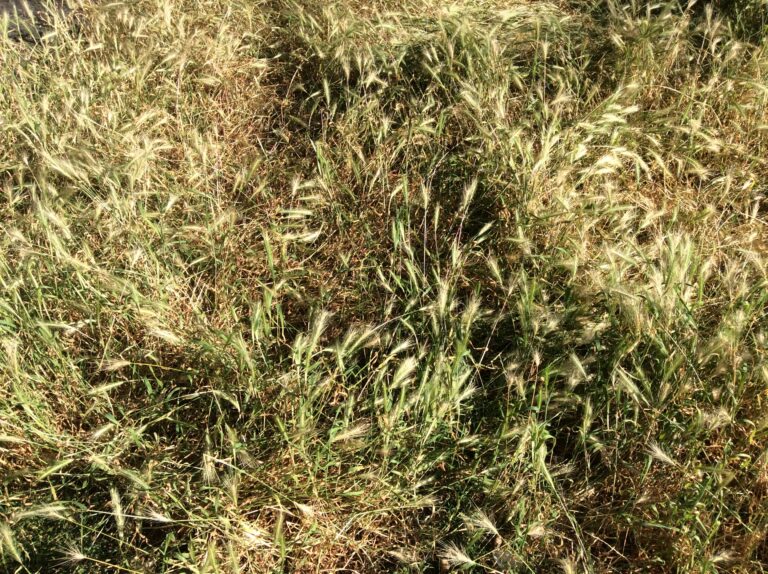
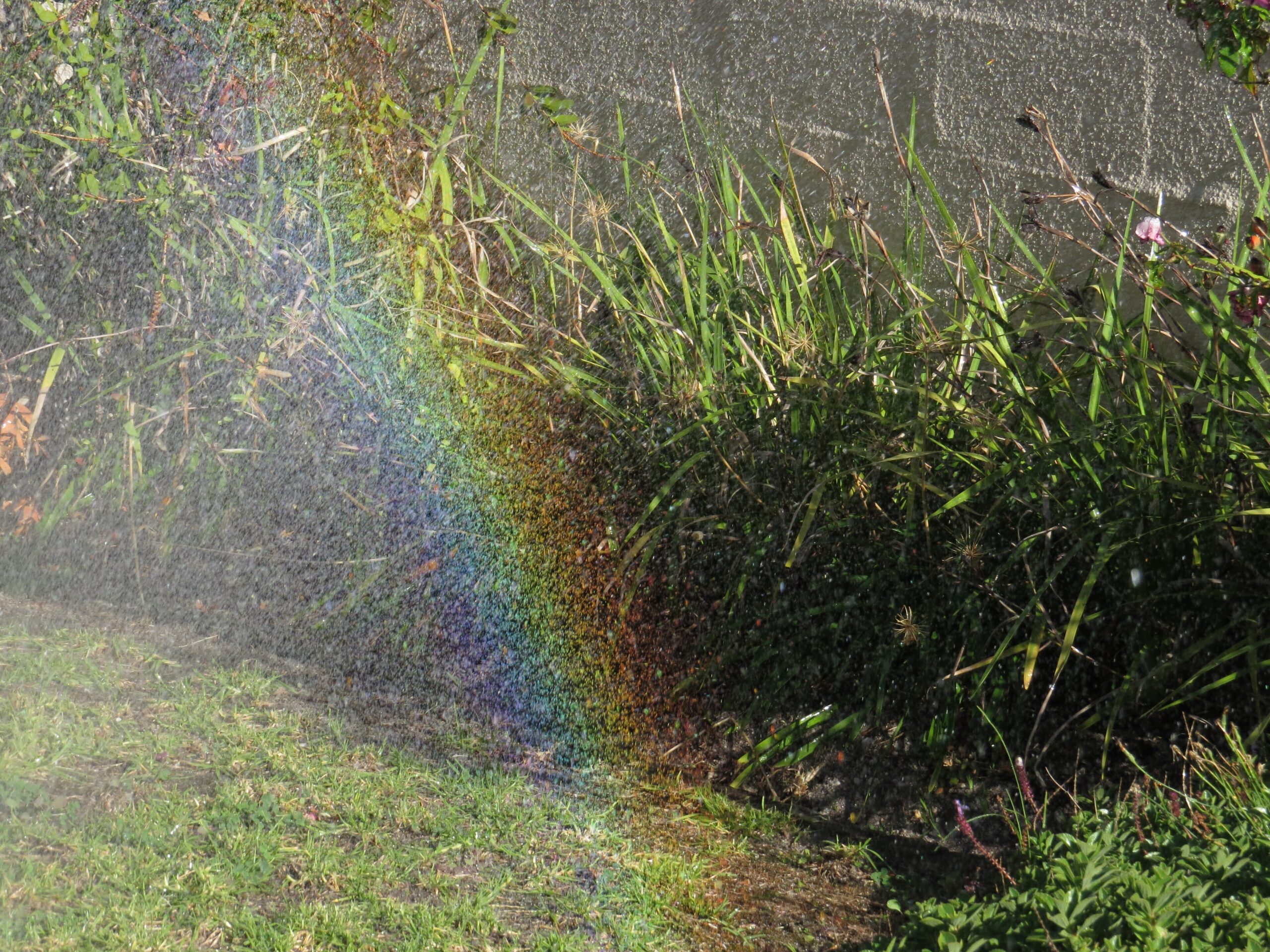
Image: Karlhof26 – CC BY-SA 4.0/Wikimedia Commons