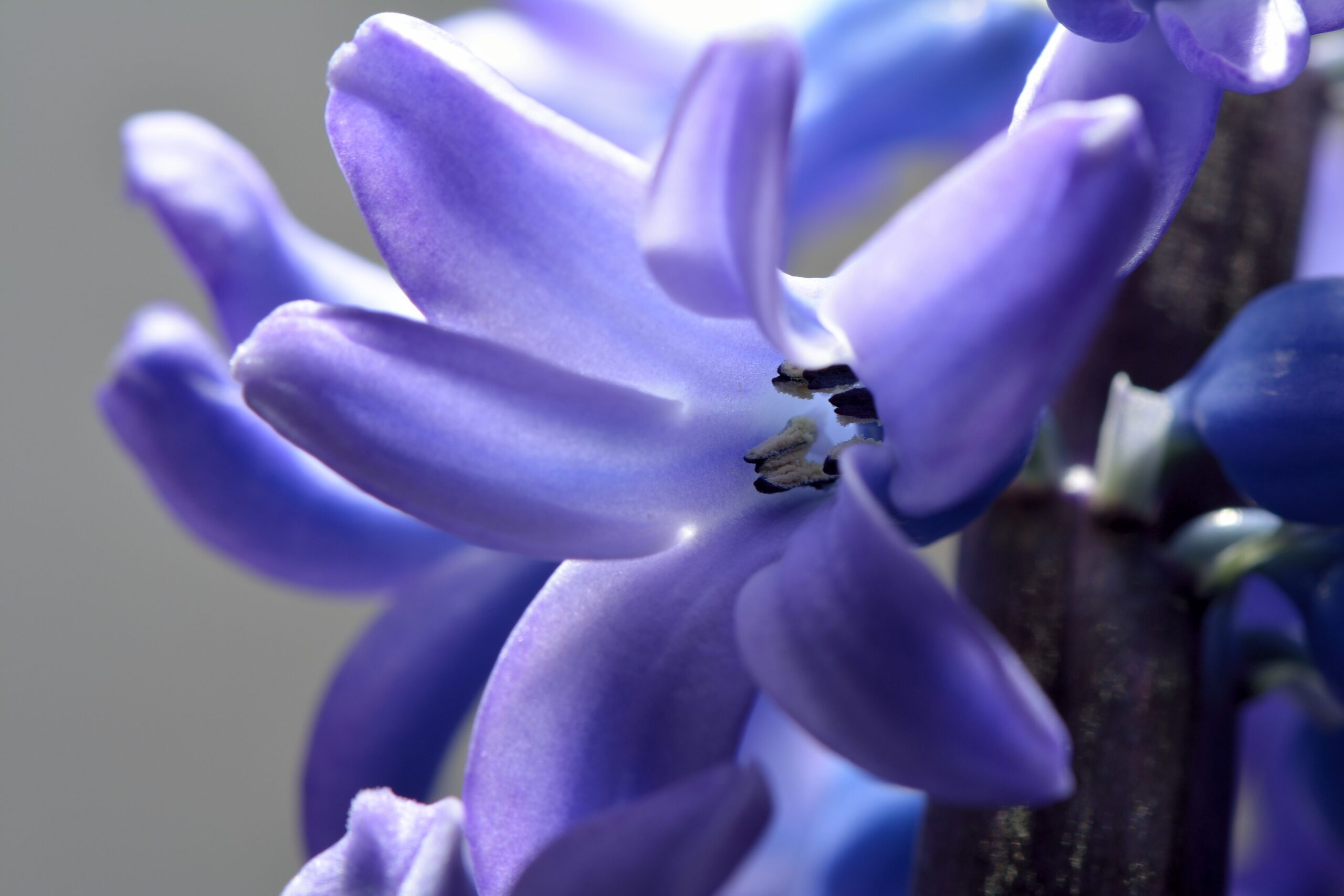
Hyacinths Need 12 to 15 Weeks of Cold at 40 to 45 Degrees Before They Will Bloom Indoors, and Daffodils Need Up to 17
Twelve to 15 weeks of cold is what a hyacinth needs before it will bloom indoors, according to Penn State Extension, and that chilling has to happen at 40 to 45 degrees. Bulbs potted in early November fit that schedule for late-winter flowers. Daffodils need even longer, up to 17 weeks.
The numbers come from a Penn State Extension guide to forcing flowering bulbs by Denise D’Aurora, a Master Gardener in Crawford County, updated Sept. 16. She calls hyacinths and daffodils the easiest bulbs to force, with tulips slightly harder.
How long each bulb needs in the cold
Forcing tricks a spring bulb into blooming early by giving it an artificial winter. Penn State lists chilling times for the common choices:
- Hyacinth: 12 to 15 weeks
- Crocus, daffodil, grape hyacinth and tulip: 15 to 17 weeks
- Dwarf iris: 16 to 17 weeks
- Squill: 12 to 16 weeks
- Snowdrop: 10 to 12 weeks
Amaryllis and paperwhites need no chilling at all, which is why they are the usual holiday bulbs. Lovely Garden Roots has covered how to keep amaryllis and paperwhites blooming longer once they open.
Iowa State University Extension uses the same 12 to 15 weeks at 40 to 45 degrees for spring bulbs, in complete darkness and without freezing.
There is a shortcut for hyacinths. Iowa State notes that garden centers sell pre-chilled hyacinth bulbs, and the New York Botanical Garden says those need a shorter cold treatment, so the package directions take priority. Bulbs that are not pre-chilled can be chilled at home before potting: Iowa State says a paper bag held at 40 to 45 degrees for 12 to 15 weeks does the job.
Counting back from a bloom date
Penn State’s rule is to pick a target date and count back 14 to 19 weeks. That covers the chilling period plus the two to six weeks bulbs take to flower once they come out of the cold.
Bulbs potted in early November and given 12 to 15 weeks of cold come out between late January and mid-February. Add a few weeks to bloom, and hyacinths potted now can flower indoors from mid-February into March.
Iowa State’s timing table shows how the calendar works: pot by early September for mid-December blooms, or by mid-October for flowers around Valentine’s Day.
Potting and the 40-degree spot
Penn State recommends a well-draining plastic or clay pot partly filled with an equal mix of sphagnum peat, vermiculite and perlite, with no fertilizer. Leave at least 2 inches of mix below the bulbs. Set them about half a bulb width apart with the tips even with the rim, then fill in so only the tips show. Water thoroughly.
Iowa State says a 6-inch pot holds about three hyacinths. Purdue Extension suggests three to four hyacinths in a 7-inch pot, or a single bulb in a 4-inch pot.
A refrigerator, cool cellar or garage can work for chilling, according to Penn State. Penn State, Iowa State and Mississippi State all give the same warning: keep bulbs away from ripening fruit, especially apples. The ethylene gas fruit gives off can stop bulbs from growing and flowering.
Mississippi State University Extension, in a guide by Associate Extension Professor Jim DelPrince, adds that potted bulbs should be protected from temperatures below 25 degrees. It also notes that some bulbs are poisonous, so it does not recommend refrigerator storage in homes with young children. Purdue offers an outdoor option when fridge space runs short: a trench about 15 inches deep, lined and covered with mulch.
Check the pots now and then during chilling and add a little water if the mix is dry, Penn State says, without overwatering.
Bringing them out of the cold
Mississippi State says roots growing out of the drainage holes are the sign a pot is ready. Top growth alone is not a reliable signal.
Iowa State recommends moving pots first to a 50- to 60-degree spot with low to medium light for about four to five days, until the pale shoots turn green. After that, the pots go to a bright location at 60 to 65 degrees. Taking pots out of cold storage every one to two weeks gives a succession of blooms instead of one burst.
When the flowers open, Penn State suggests moving the pots out of direct sun to make them last longer. Mississippi State adds that moving them to a cooler room at night helps too.
Forcing hyacinths in water
Hyacinths are the classic bulb for forcing in a glass. Iowa State describes hyacinth glasses as hourglass-shaped vases, with water in the lower part and the bulb resting in the top. The bulb should never touch the water, or it will rot. Only the roots should reach it.
The New York Botanical Garden says bulbs in water vases still need cool, dark conditions for several weeks while the roots develop, with the water level checked so it doesn’t drop. Iowa State says to change the water once or twice a week, or whenever it turns cloudy.
NYBG also notes that hyacinth stems are hollow and may bend once flowers open. A small stake or a piece of wire keeps them upright.
Forced hyacinths seldom come back well. Iowa State says most won’t rebloom outdoors and recommends discarding them after forcing. Purdue says bulbs that are kept may take a couple of years to bloom well again.
Get stories like this by email. Sign up for The Parent Diaries Letter.
This article was produced with AI assistance and edited for accuracy against the sources linked above.
Image: Uoaei1 – CC BY-SA 3.0/Wikimedia Commons