D.C.’s Leaf Vacuum Season Starts Nov. 2, With Section A Residents Asked to Rake to the Curb by Nov. 1 and Plastic-Bagged Leaves Going Out as Trash
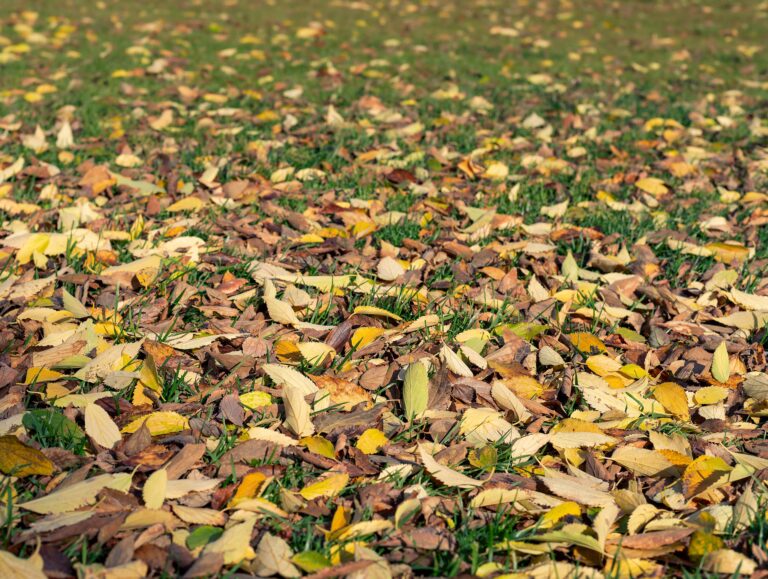
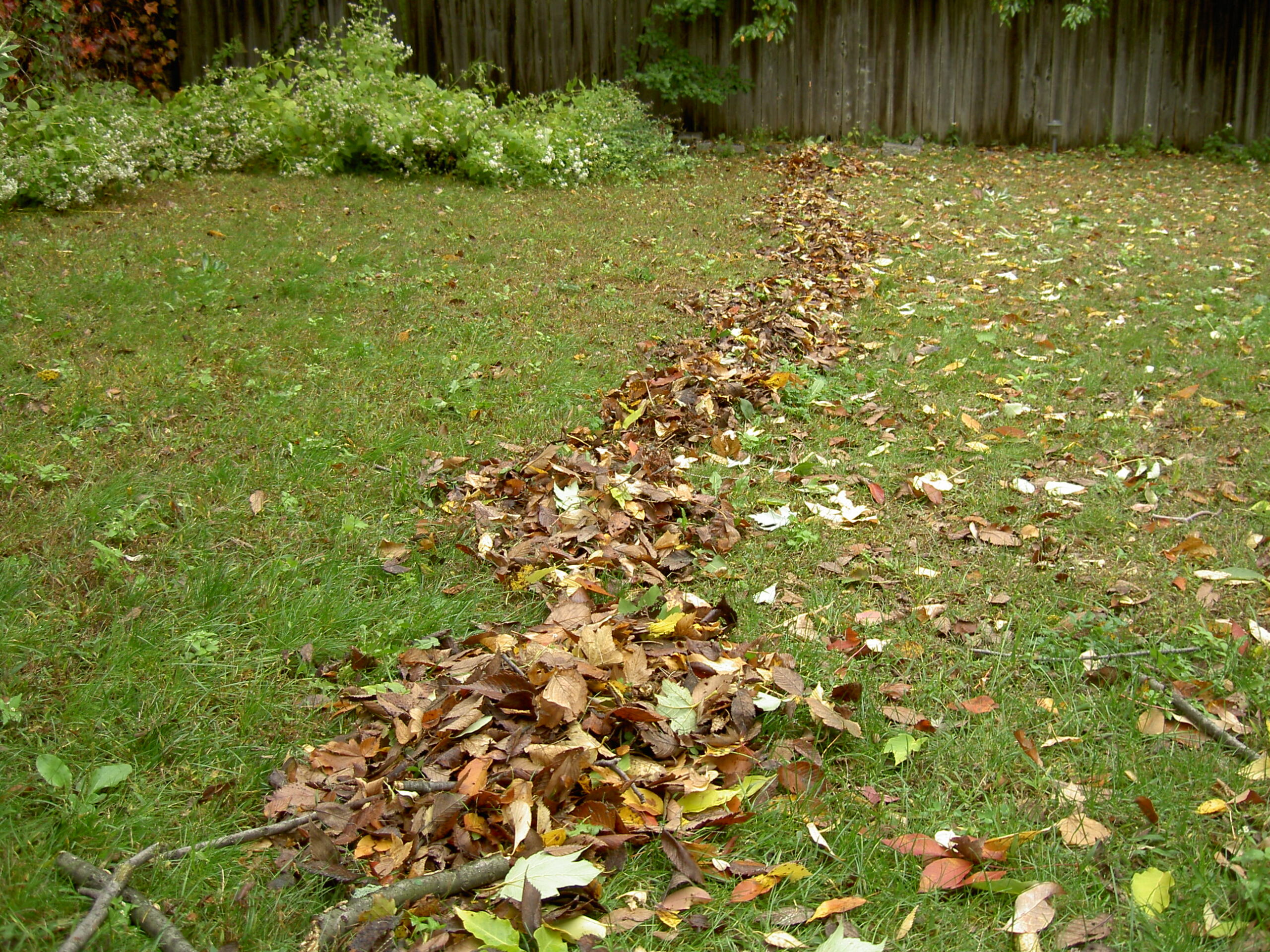
Sunday, Nov. 1, is the day Section A households across Washington, D.C., need their leaves raked to the curb. The city’s Department of Public Works starts vacuuming the next morning, Monday, Nov. 2, and its trucks will keep working through the District’s streets into February.
The rules have one detail that catches people every year. Leaves stuffed into plastic bags will not be composted with the rest, and the city says they go out as trash.
Section A goes first, on Nov. 2
Mayor Muriel Bowser’s office announced the 2026-2027 leaf season on Oct. 19. Every residential street that gets DPW trash and recycling pickup is scheduled for at least two leaf collections, and the city splits Wards 1 through 8 into four sections, A through D.
Section A starts first. In the mayor’s Oct. 23 newsletter, Bowser asked Section A residents to have leaves raked out by Sunday, Nov. 1. Households in the other sections are asked to rake by the Sunday before their own scheduled week.
The newsletter said about 200 new and returning seasonal employees are working the city’s fall and winter operations. DPW Interim Director Chris Rodriguez called leaf collection a complex operation in the mayor’s release and asked residents to check their schedules and rake during their assigned week.
The four-section calendar
DPW’s leaf collection page lays out the first-pass dates for every section. The section letter applies across all eight wards, so a Section A home in Ward 3 and a Section A home in Ward 8 are on the same schedule.
Section A runs Nov. 2 to Nov. 15. Section B follows from Nov. 16 to Nov. 29, Section C from Nov. 30 to Dec. 13, and Section D from Dec. 14 to Dec. 28. Second passes begin after the first round is finished, weather permitting.
Collection pauses on Thanksgiving, Christmas and New Year’s Day. Snow and ice can also stall the schedule, because the same crews get pulled onto snow duty. DPW mails a brochure with estimated dates to households it serves, and it gives about 10 days’ notice before a street’s collection period. Updates also come through the DPW Leaf Line at (202) 671-5323 and the MyDPW app.
Paper, not plastic
Loose leaves are the easiest for the crews. The city does not require bagging at all. Residents who do bag their leaves need to use paper.
The mayor’s release says leaves in plastic bags are collected as trash rather than compost. DPW’s own leaf page puts it more bluntly, stating that plastic bags are not composted and are not collected with the leaves. Either way, a plastic bag of leaves will not end up as compost.
The city also asks residents to pull sticks, bottles, cans, toys and other debris out of their piles. Branches, grass clippings and ginkgo berries are not part of leaf collection. DPW says those go through a separate 311 request for scheduled yard waste pickup.
Only the front of the property
Crews pick up leaves from tree boxes, the public planting spaces around street trees in front of homes, or from the curb directly in front of the house when there is no tree box. DPW says backyard leaves are not collected, and leaves in an alley need to be moved to the front.
Raking leaves into the street or a storm drain is off-limits. DC Water has warned that leaves clogging catch basins can cause flooding, and that some drains connect to combined sewers where a blockage can back up into homes. The utility has also suggested using leaves as mulch in gardens instead of setting them all out.
Cars matter too. The city asks residents to keep vehicles away from leaf piles and curb lanes when possible so the vacuum trucks can reach them. If a street is skipped after DPW announces a section is finished, residents whose leaves were out on time can file a “Leaf Collection Missed” request through 311 or by calling (202) 737-4404. Leaves raked out after crews pass do not qualify.
Where the leaves end up
DPW says it composts between 5,000 and 7,000 tons of leaves a year, and residents can pick up free compost year-round at the Fort Totten Transfer Station at 4900 McCormack Road NW. The transfer station also accepts leaves directly, Tuesday through Friday from 10 a.m. to 2 p.m. and Saturdays from 7 a.m. to 2 p.m. Apartment buildings with more than three units are not served by DPW and need to arrange private removal.
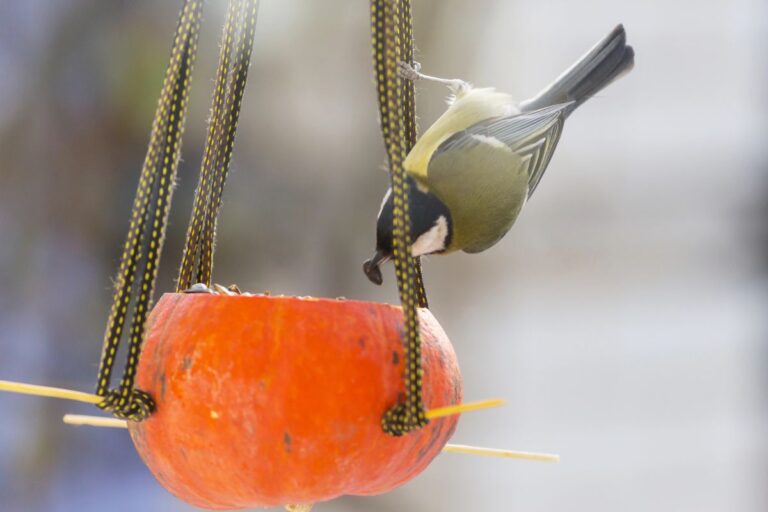
The mayor’s Oct. 19 release also points households toward a home for their Halloween leftovers. DPW is expanding its 24-hour Food Waste Smart Bins from 31 locations to more than 50, and the bins take pumpkins and gourds, though not ones covered in paint, glitter or other decorations that cannot be composted.
Keeping leaves out of plastic and out of landfills matters on a national scale. The U.S. Environmental Protection Agency estimated that Americans generated 35.4 million tons of yard trimmings in 2018, about 12% of all municipal solid waste. About 22.3 million tons were composted, while roughly 10.5 million tons still went to landfills.
Washington is not the only place changing how fall yard work gets done. Across the Potomac, Alexandria’s ban on gas-powered leaf blowers takes effect Nov. 17 for residents and landscaping crews. Farther west, Ohio’s fall daytime burn ban on leaves and yard waste runs through the end of November.
Get stories like this by email. Sign up for The Parent Diaries Letter.
This article was produced with AI assistance and edited for accuracy against the sources linked above.
Image: Dan4th Nicholas – CC BY 2.0/Wikimedia Commons