Mark Graf Spent Two Years Fighting for a 250-Year-Old Oak in Sterling Heights. The Council Saved the Tree, but 114 Others on the Same Lot Are Expected to Come Down.
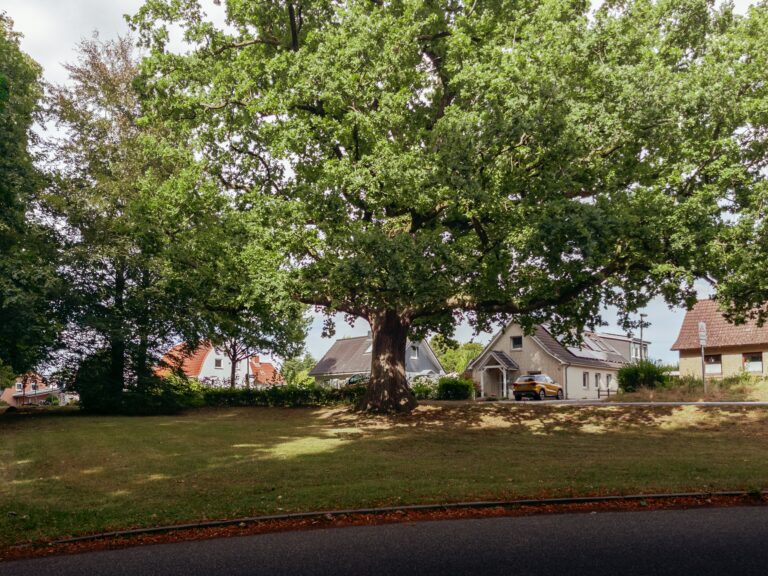
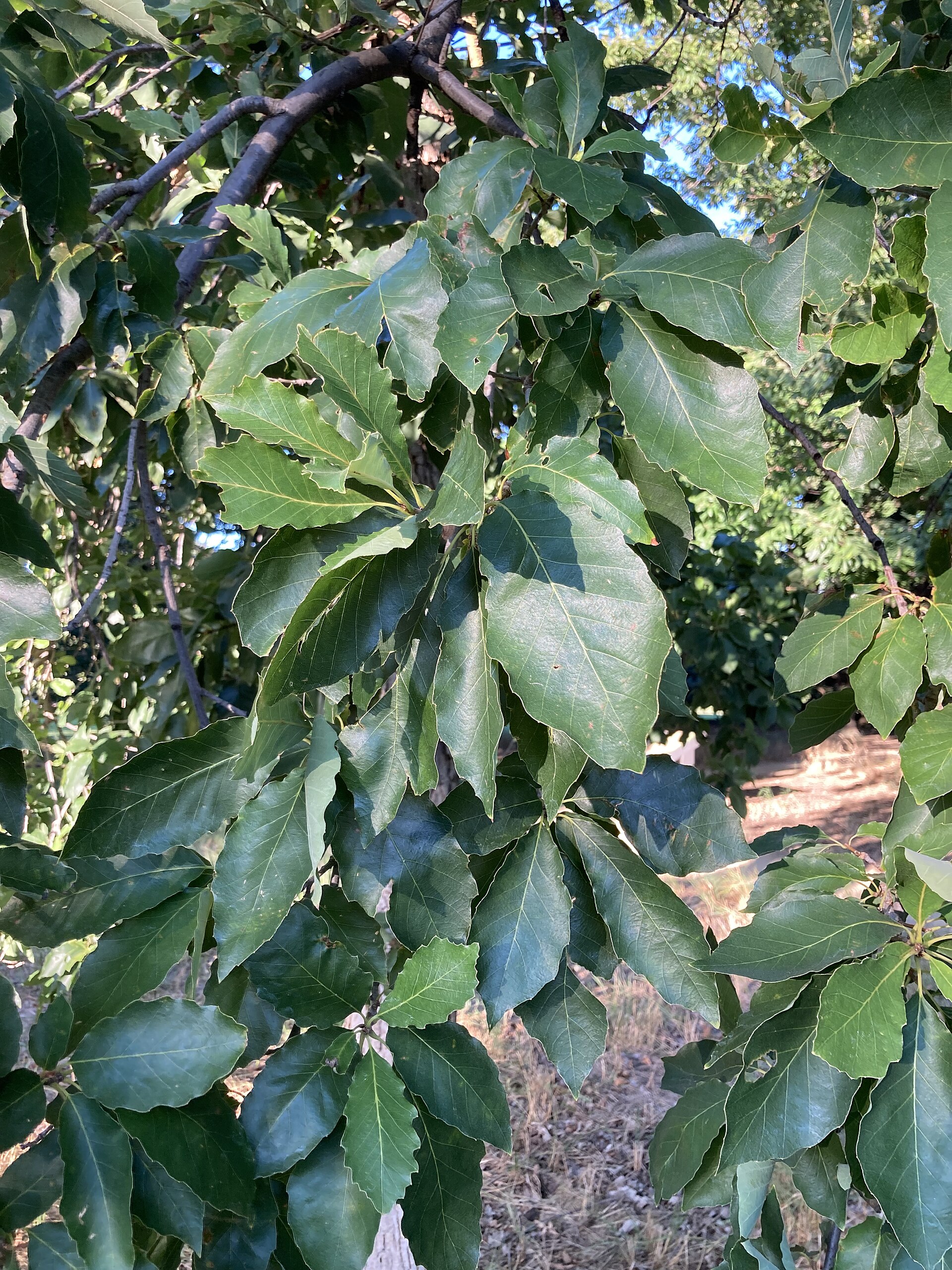
On Van Dyke Avenue near M-59 in Sterling Heights, Michigan, a chinkapin oak has been growing for an estimated 250 years or more. For about two years, a group of residents led by Mark Graf fought to keep it from being cut for a housing project. This month, they won the tree.
The City Council voted in November to keep the small circle of land under the oak, Bridge Michigan reported. The rest of the 10-acre site will still be sold for development, and an initial review estimates that 114 of the 284 trees on the property will be removed.
Two years for one tree
The oak stands at 43934 Van Dyke Ave., on a plot beside the Clinton River that once held an amusement park. According to Bridge, chinkapin oaks can live 300 to 400 years, which means this one may still have a long life ahead if it survives construction.
Graf led the push to save it, and a change.org petition gathered about 4,000 signatures. His wife, Lisa Graf, urged the council to remember the vote, Bridge reported.
The Chaldean Community Foundation won the initial bid for the land with a plan for an affordable housing complex with ground-floor retail. After public pushback, the foundation redesigned it as a smaller building with no retail and fewer, pricier workforce housing units. The city and the foundation say that design spares the oak.
The trees that won’t be spared
Saving one tree didn’t save the woods around it. Of the 284 trees on the property, 114 are expected to come down under the initial review, including 21 landmark trees. Replacing those landmark trees would require 331 new ones, Bridge reported.
Not everyone on the council was comfortable with that trade. Councilmember Maria Schmidt called the planned reforestation hypocritical, noting that voters had recently approved more funding for green space. Mayor Michael Taylor said trees are renewable and can be replanted.
Research cited by Bridge suggests it can take up to 41 new trees to make up for the loss of one large one. The U.S. Forest Service says urban forests reduce noise, provide shade, help conserve energy and add economic value to communities, benefits young replacement trees take years to deliver.
Why residents are still watching
The oak isn’t out of danger. Residents told Bridge they worry it could still be hurt by flooding, by heavy machinery compacting its roots, or by a planned gathering space near it. The project still needs site plan and engineering reviews.
The site also contains small pockets of wetland, so it may need approval from the Michigan Department of Environment, Great Lakes, and Energy. EGLE’s wetlands program administers Michigan’s wetland protection law, and Michigan is one of only two states the federal government has authorized to run the federal wetland permit program, so a state permit also serves as federal approval.
A city short of its canopy goal
Sterling Heights, a city of about 134,000, is a Tree City USA community and bought the site with federal American Rescue Plan Act money, according to Bridge. It spent $1 million of its $20 million in COVID-19 recovery funds on “micro-forests.”
The city also projects needing up to 2,100 new housing units over the next decade. Its tree canopy covers about 18% to 23% of the city, short of its 40% goal, and some neighborhoods have less than 10%. The area around the oak has 32%.
The Arbor Day Foundation says trees in cities can lower temperatures by up to 10 degrees by shading homes and streets, one reason residents in low-canopy suburbs push so hard to keep the big ones they have.
For Graf and his neighbors, the vote was a win with an asterisk. The 250-year-old oak gets its circle of ground. The 114 trees around it are still on the clock.
This article was produced with AI assistance and edited for accuracy against the sources linked above.
Image: Awinch1001 – CC BY 4.0/Wikimedia Commons