The Forgotten Companion Planting Trick Old-Timers Used Before Pesticides Existed
Long before garden centers carried shelves full of sprays and pest control products, many families relied on simple planting methods passed from one generation to the next. Some of those techniques slowly disappeared as modern gardening became more common, leaving newer gardeners unaware of practices that once made a noticeable difference.
One suburban neighborhood rediscovered one of those forgotten ideas after an elderly gardener shared a story that few people had ever heard. At first, the advice sounded too old fashioned to work. By the end of the growing season, several skeptical gardeners wished they had listened sooner.
An Empty Garden Plot Sparked a Conversation
Jessica had just finished planting rows of tomatoes, peppers, and beans when she noticed her elderly neighbor, Walter, watching from across the fence. He smiled and asked why she had left every crop in perfectly straight rows without mixing anything together. Jessica explained that she wanted the garden to look neat and organized. Walter chuckled before saying gardens were once designed for much more than appearance. His comment left Jessica curious enough to invite him over.
A Worn Notebook Came Out of the Garage
Walter disappeared into his garage and returned carrying a weathered notebook that had belonged to his grandfather. The pages contained hand drawn garden layouts with vegetables, herbs, and flowers growing side by side instead of in separate sections. Notes filled the margins explaining which plants helped one another. Jessica expected complicated instructions but found surprisingly simple combinations. Walter explained that families depended on these arrangements because they had few other options.
The Marigolds Seemed Out of Place
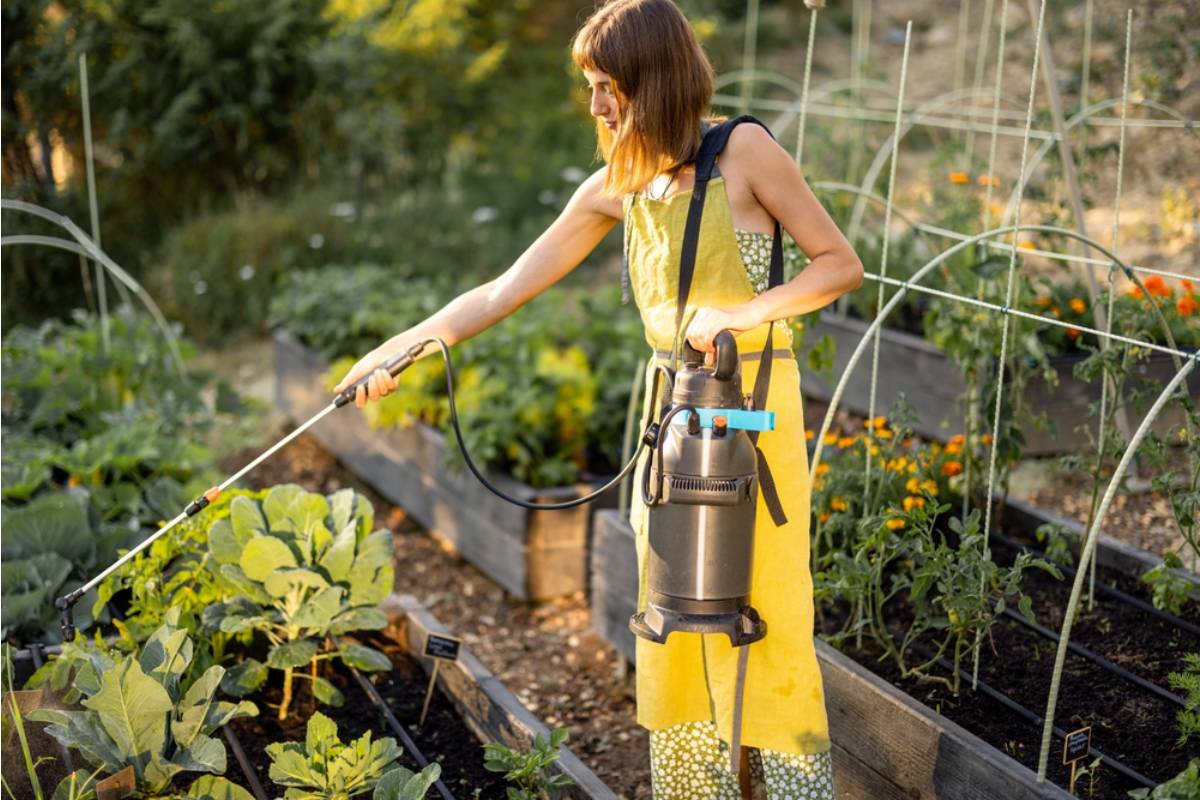
Walter suggested planting marigolds throughout the vegetable beds instead of keeping them in decorative flower borders. Jessica laughed because the bright flowers looked completely out of place beside tomatoes and peppers. Still, she decided to trust him and tucked small marigold plants between several rows. Her husband questioned the unusual layout but agreed to wait and see what happened. The colorful flowers quickly became the most talked about feature in the garden.
Basil Moved Next to the Tomatoes
The next suggestion sounded even stranger. Walter recommended placing basil close to the tomato plants instead of growing it separately near the kitchen door. Jessica followed the advice even though she had always treated herbs as their own little garden. As the weeks passed, the tomatoes and basil filled the same space without competing. Visiting friends assumed the arrangement was purely decorative. Walter smiled every time someone made that assumption.
Beans Found New Neighbors
Instead of planting beans in their own corner, Walter encouraged Jessica to grow them alongside other compatible vegetables. He explained that experienced gardeners often planned entire gardens around how plants could support one another. Jessica carefully followed the sketch from the old notebook. The layout looked unusual compared to every gardening guide she had seen online. Even so, she resisted the urge to rearrange everything.
The First Pest Problem Never Fully Arrived
A few weeks later, Jessica noticed insects gathering near parts of the yard outside the vegetable beds. Surprisingly, the mixed planting areas seemed much less affected than expected. She still found an occasional pest, but nothing like the outbreaks neighbors were discussing. Walter reminded her that companion planting was never magic. Its strength came from making the garden less inviting to large numbers of unwanted visitors.
Curious Neighbors Began Asking Questions
People walking past slowed down to admire the colorful mixture of vegetables, herbs, and flowers. One neighbor finally admitted she thought Jessica had simply run out of space. After hearing Walter explain the old planting method, several people laughed politely. A few remained skeptical while others quietly made notes to try it themselves next season. The conversation spread farther than anyone expected.
A Family Garden Faced Its First Real Test
Late in the summer, several nearby gardens struggled with increasing pest damage. Jessica nervously inspected her own plants every morning, expecting the same thing to happen. While a few leaves showed signs of feeding, the vegetables continued producing well. Walter explained that healthy companion planting encourages balance rather than complete elimination of insects. Jessica appreciated the realistic expectation instead of promises that sounded too good to be true.
The Harvest Changed More Than Dinner Plans
Jessica’s family carried baskets of tomatoes, beans, peppers, herbs, and fresh vegetables into the kitchen week after week. Her children noticed they spent more time picking produce than searching for damaged plants. Even recipes changed because basil was growing only a few steps away from ripe tomatoes. Gardening became less stressful and more enjoyable. Walter quietly watched another family discover why older generations valued these simple techniques.
The Old Notebook Became the Most Borrowed Item
Word about Walter’s handwritten garden plans spread through the neighborhood gardening club. Members asked if they could copy the pages before planting the following spring. Walter happily shared every sketch, explaining that knowledge only survived when people passed it along. The notebook that had spent years gathering dust suddenly became everyone’s favorite gardening reference. Jessica carefully photographed every page before returning it.
The Next Spring Looked Completely Different
When planting season returned, several yards on the same street featured vegetables growing beside herbs and flowers instead of isolated rows. Passersby noticed gardens looked more colorful than they had the previous year. Gardeners chatted over fences about combinations they wanted to test instead of discussing which spray to buy next. Walter smiled each time he walked through the neighborhood. An old family tradition had quietly found new life.
A Forgotten Lesson Found a New Generation
By the end of the second season, Jessica realized the greatest benefit had not been a perfect garden free of every insect. It was learning to work with nature instead of constantly reacting to problems after they appeared. The forgotten companion planting trick reminded everyone that practical wisdom often survives because it earned its place over generations. Walter never claimed it solved every gardening challenge. He simply proved that some of the oldest ideas are worth remembering long after they fall out of fashion.