Gardener Says She Spent Three Seasons Building a Raised Bed System for a Disabled Neighbor Who Could No Longer Kneel to Garden, Then His Family Sold the House and the New Owners Tore It All Out
For three growing seasons, my weekends revolved around one backyard that was not even my own. My neighbor, Harold, had spent decades growing vegetables, herbs, and flowers, but arthritis had slowly taken away his ability to kneel, bend, or spend hours working in the soil.
Watching him stare at an empty garden after a lifetime of tending one was heartbreaking. Instead of accepting that gardening had become impossible, I offered to help him create raised beds that he could comfortably reach from a standing position. Neither of us imagined those years of work would disappear only weeks after he moved away, leaving behind a lesson neither of us expected.
The Conversation Began on a Quiet Afternoon
Harold was sitting on his porch when I noticed him watching me wheel compost across my yard. I walked over to say hello, and he admitted he missed gardening more than almost anything else. He laughed softly and said his knees had decided to retire before he did.
That sentence stayed with me all evening. The next day I returned with a notebook and asked him what his dream garden would look like if bending down was no longer necessary.
Every Raised Bed Had a Purpose
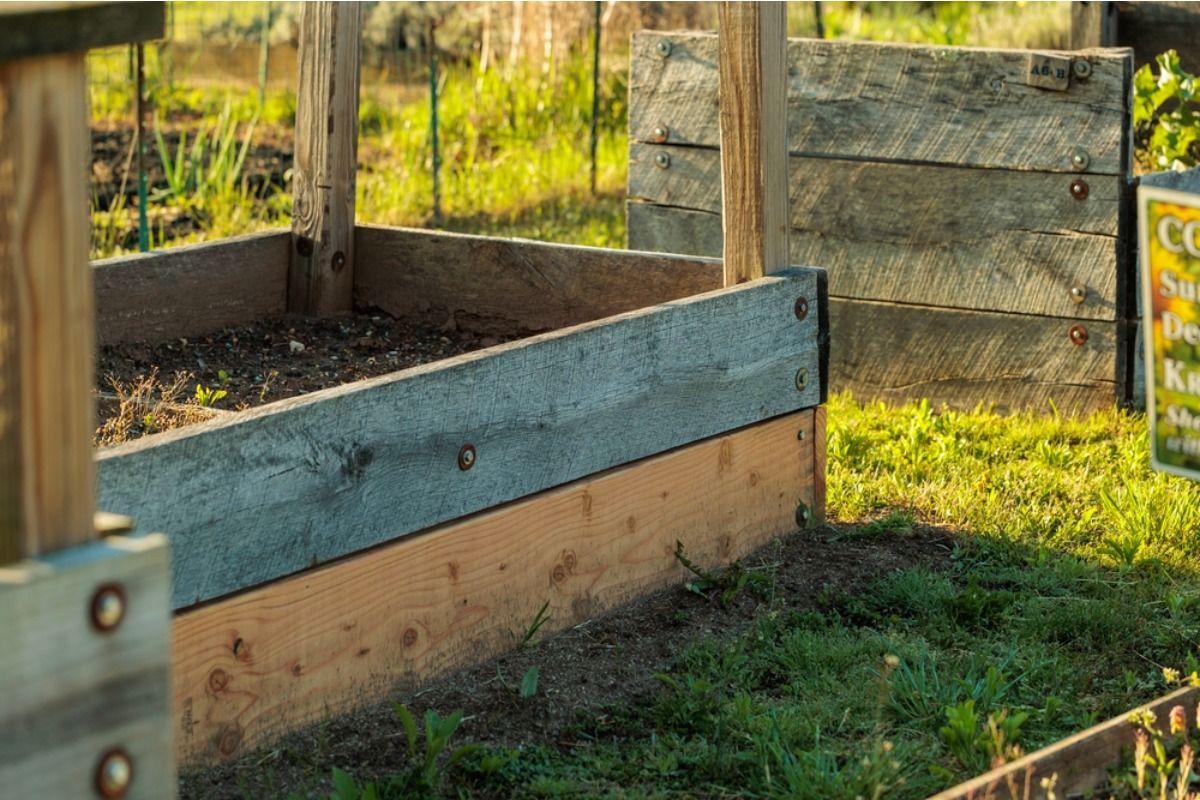
We designed each bed around Harold’s physical needs rather than appearance alone. The wooden frames were built higher than standard raised beds so he could reach every plant without kneeling. Wide gravel paths allowed him to move safely with a walker whenever his balance felt unsteady.
Nothing in the garden happened by accident. Every board, every pathway, and every planting space solved a problem that ordinary gardens often ignored.
Building Took Longer Than Anyone Expected
We worked only a little at a time because Harold tired easily. Some weekends we finished only one corner of a single bed before calling it a day. Friends occasionally joined us, helping move soil or install irrigation tubing.
Those slow afternoons became less about construction and more about conversation. Harold shared stories about gardening with his late wife while carefully labeling every tomato variety he hoped to grow again.
The First Harvest Felt Like a Victory
The following summer, Harold proudly picked his own tomatoes without asking anyone for help. Watching him stand comfortably beside the raised beds instead of struggling to kneel nearly brought tears to my eyes. He held up a basket of vegetables and grinned like a child.
Soon neighbors began stopping by to admire the thoughtful layout. Several asked whether the design could work for aging parents or relatives recovering from injuries.
The Garden Became Part of the Neighborhood
Children often visited Harold after school because he always had extra cherry tomatoes or snap peas to share. He patiently explained how worms improved the soil and why bees mattered so much in every vegetable patch. Parents appreciated having someone willing to teach those lessons.
The backyard slowly became a gathering place rather than simply a garden. It connected generations in a way neither of us expected.
Life Changed Faster Than the Garden Could
Near the end of the third season, Harold’s health declined more rapidly than anyone anticipated. His daughter explained that he needed to move closer to family where they could help with daily care. The decision made perfect sense, but it broke his heart to leave the garden behind.
Before moving, Harold walked slowly through every pathway one final time. He rested his hand on the cedar frames and quietly thanked everyone who had helped build them.
A Promise Was Left Behind
On moving day, Harold handed me a small tin containing seed packets collected over many years. He smiled and said, “No matter what happens to the garden, keep these growing somewhere.”
I promised I would.
At the time, I believed the raised beds would continue helping whoever moved into the house next.
New Owners Arrived With Big Plans
A young couple purchased the property only a few weeks later. They seemed friendly during our first conversation and mentioned they wanted to modernize the backyard. I welcomed them to the neighborhood and briefly explained the history of the raised beds.
They listened politely but did not ask many questions. I assumed they simply needed time to settle into their new home.
Heavy Equipment Returned Too Soon
One Saturday morning I heard machinery coming from their backyard. Looking through the side gate, I saw contractors removing the cedar beds with pry bars and loading them into a trailer. Irrigation lines dangled from broken boards while rich garden soil spilled across the yard.
I hurried over and asked whether they planned to relocate the beds.
The contractor quietly replied that everything was scheduled for demolition to make room for a larger patio and open lawn.
Memories Disappeared Board by Board
I stood there watching the paths we had carefully measured vanish beneath construction equipment. The corner where Harold taught neighborhood children about compost became a pile of broken lumber. The bed that once overflowed with peppers was scooped into a dump truck.
The physical garden disappeared within hours.
The memories attached to it took much longer to process.
An Unexpected Discovery Stopped the Crew
While removing one of the final raised beds, a worker uncovered a weatherproof metal container buried beneath the soil. Curious, he handed it to the homeowners instead of throwing it away. They opened it carefully and found handwritten gardening notes, photographs, and a letter sealed inside an envelope.
Unsure what they had found, they brought everything to my house because they remembered I had known the previous owner.
Harold’s Letter Changed Everything
The letter had been written shortly before Harold moved away. In it, he explained how the garden had restored his independence during years when he feared losing it completely. He thanked the unknown future owners for caring for the property and expressed hope they would enjoy the space as much as he had.
Reading those words aloud became an emotional moment for everyone standing in my living room.
The new homeowners realized they had unknowingly destroyed something carrying far greater meaning than ordinary landscaping.
A Phone Call Brought Unexpected Emotion
I contacted Harold’s daughter and asked whether he wanted to hear about the letter. She placed the phone beside him while I described what had happened. There was a long silence before he quietly asked one question.
“Did they at least find the note?”
When I told him they had, he laughed gently and said, “Then maybe the important part survived after all.”
The Backyard Took a Different Direction
The new homeowners decided to pause their renovation plans. Instead of rebuilding the entire raised bed system, they asked whether a smaller accessible garden could remain as a tribute to Harold. Together we designed two raised beds near the back fence along with a simple bench overlooking the planting area.
They also framed copies of several photographs showing Harold harvesting vegetables from the original garden. One picture now hangs inside the garage where visitors often notice it.
Seeds Continued the Story
Every spring, I still plant vegetables from the seed packets Harold gave me before moving away. I also share seedlings with the family living in his former house, and together we harvest tomatoes from the new raised beds that honor the original design. Neighborhood children continue stopping by to help pick vegetables, even though most never met the man who inspired the garden.
The original backyard no longer exists exactly as we built it, and nothing can replace those three seasons of shared work. Yet the spirit behind it never disappeared. Sometimes a garden’s greatest harvest is not measured in vegetables or flowers, but in the kindness it plants in people who choose to carry its story forward long after the soil has been turned over.