The Neighbor Kept Watering His Vines, Then the Fence Started Rotting and the Yard Became a Mosquito Pond
A homeowner shared his story about a soggy strip of yard that had slowly turned from an annoyance into a full-blown gardening problem. Along the shared fence, his neighbor regularly watered plants growing on his side, but the excess water kept migrating across the property line and sitting there for days. At first, it seemed like nothing more than a muddy inconvenience, but the homeowner eventually realized the same wet conditions may have contributed to the old fence rotting.
The Fence Had Already Paid the Price
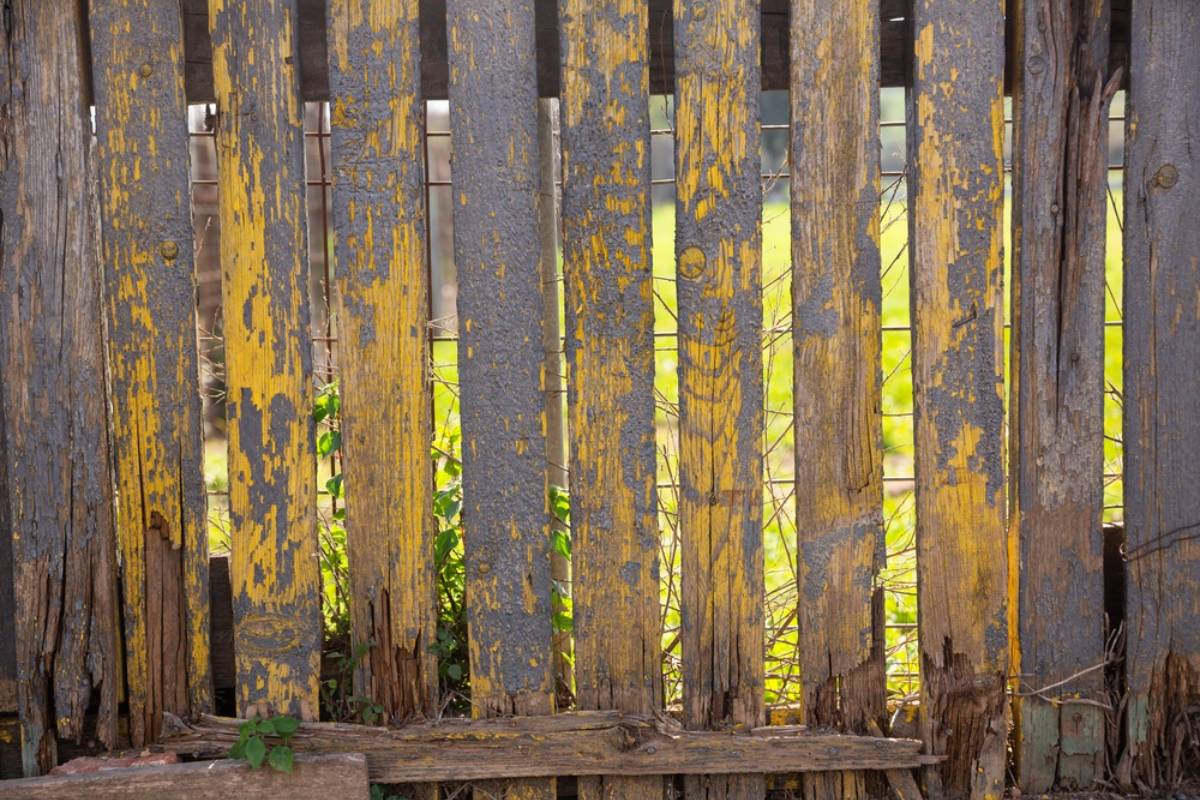
The two homeowners had actually replaced the fence together after the previous one deteriorated badly. The homeowner suspected years of heavy watering and planting directly along the fence had helped create the conditions that caused the wood to decay. Unfortunately, replacing the fence did not solve the underlying problem because the same soggy strip remained.
The Water Was Not Going Anywhere
After the new fence went up, the neighbor continued watering his plants heavily. Instead of soaking into the ground quickly, the water collected along the homeowner’s side and could remain there for several days. What had once looked like an ordinary patch of lawn was beginning to behave more like a shallow pond.
Then the Mosquitoes Arrived
The standing water brought another problem that was much harder to ignore. The homeowner began noticing mosquitoes around the saturated section, turning the wet patch into more than an ugly spot in the yard. A response from a person pointed out that local mosquito-control agencies may take standing-water complaints seriously, particularly when the problem can affect nearby homes and animals.
A New Puppy Made Everything Worse
Then came an especially muddy complication: the homeowner had recently brought home a puppy. The curious little dog loved walking along the fence, which meant she repeatedly ended up covered in mud after wandering through the soaked area. In one particularly bad week, it happened three separate times.
The Neighbor Knew About the Problem
The homeowner eventually sent his neighbor photos showing what was happening. The neighbor replied that he was aware of the issue and said he would reduce the amount of watering. That sounded promising, but there was one problem: according to the homeowner, this had been happening for years rather than simply being a recent sprinkler malfunction.
The Sprinklers Became the Main Suspect
The homeowner explained that the neighbor’s sprinklers were watering plants along the fence line. Another response from a person suggested changing the sprinkler direction or using a different watering method so the fence itself was not being constantly drenched. The idea was simple: instead of trying to fight the water after it crossed the property line, stop sending so much water toward the problem area in the first place.
One Person Suggested a Giant Underground Fix
A response from a person proposed installing a soakaway to give the trapped water somewhere to go. The suggestion involved creating a deep drainage area filled with rocks so water could move downward instead of remaining on the surface. A smaller drilling approach was also suggested, although the homeowner quickly realized that digging deep holes beside a fence could introduce its own complications.
Then Someone Mentioned a French Drain
Another response from a person suggested something more familiar to gardeners and homeowners: a French drain. The basic concept would involve creating a trench along the wet section, using gravel and drainage materials to give the water a controlled path away from the soggy ground. The homeowner immediately started considering whether this could turn the muddy strip into a functioning drainage feature instead of an endless battle.
But the Soil Had a Secret
There was one detail that made the drainage project considerably more complicated. The homeowner revealed that a heavy clay layer existed only about a foot beneath the surface, meaning simply digging a deep hole might not allow the water to disappear as easily as expected. A response from a person warned that a deep hole in heavy clay could simply become a buried swimming pool.
The Foundation Suddenly Entered the Story
Then the homeowner revealed something far more concerning than muddy paws. The side of the house facing the soggy fence had developed a significant crack running from the top of the back door across the living-room ceiling. The house was built in 2006, so normal settling was possible, but the homeowner could not help wondering whether the persistent moisture and low spot in the yard were connected.
The Yard Had One Suspicious Low Spot
According to the homeowner, this was the only side of the house where the yard noticeably dipped. That made the location of the standing water especially interesting because water naturally seeks low areas and can remain there when the soil cannot absorb it quickly. Suddenly, the little puddle beside the fence looked less like an isolated gardening nuisance and more like part of a larger drainage problem worth investigating.
The Neighbor’s Downspout Was Checked Too
Someone asked whether a downspout could actually be responsible for sending water toward the fence. The homeowner confirmed that the neighbor did have a downspout, but there had been no rain for a couple of weeks when the latest puddling appeared. That detail pushed the homeowner back toward the sprinkler theory because fresh water was appearing even during a dry stretch.
A Rock Garden Offered a Different Escape
Not every response focused on expensive drainage work. One person suggested embracing the wet conditions by creating a river-rock garden and choosing plants that tolerate consistently moist soil. That approach could potentially turn an ugly muddy strip into an intentional landscape feature, although it would not necessarily solve the underlying issue of water accumulating beside the fence.
The Plastic Barrier Idea Was Surprisingly Clever
Another response offered a more defensive approach. The suggestion was to install a buried plastic retainer along the fence, raise the soil slightly, and shape the ground so water would be encouraged to move toward a more suitable part of the yard. The homeowner liked the idea because it could redirect the water without turning the entire project into a feud with the neighbor.
Then the Puppy Raised Another Concern
The homeowner also explained that the puppy was very young and that standing water presented another concern beyond muddy paws. Because the dog was still only a few months old, the homeowner was worried about exposure to contaminants in stagnant water. The drainage problem had officially expanded from an irritating garden issue into something the family wanted resolved much sooner.
The Final Plan Took Shape
After considering soakaways, rock gardens, soil barriers, sprinkler adjustments, and other possibilities, the homeowner leaned toward installing a French drain. It seemed like the most practical way to move water away from the fence instead of repeatedly dealing with the same puddle. The only frustrating part was that the homeowner expected the work to come out of his own pocket even though the excess water appeared to originate next door.
The Wet Fence Had Become a Gardening Mystery
What began as a few muddy footprints had slowly revealed a much bigger chain of problems: saturated soil, a damaged fence, mosquitoes, unhappy landscaping, and concerns about water collecting near the house. The homeowner still did not know exactly how much of the problem was caused by the neighbor’s watering versus the natural slope and clay soil. But one thing had become clear: when a garden stays wet long after the watering can or sprinkler has stopped, the real problem may be where the water is going rather than how much water is being used.
Sometimes You Have to Fix the Flow
The homeowner’s experience ended with a practical realization rather than a dramatic neighborhood showdown. He could ask the neighbor to water differently, but he could not completely control what happened on the other side of the fence. By creating a better drainage route on his own property, he could at least give the trapped water somewhere else to go and hopefully keep the next fence, lawn, and pair of puppy paws much drier.