The One Watering Mistake Experienced Gardeners Say Kills More Plants Than Pests, Drought, or Bad Soil Ever Could
Michael had been gardening for nearly fifteen years, and people in his neighborhood often came to him with questions about vegetables, flowers, and fruit trees. They usually expected him to recommend expensive fertilizers or miracle products whenever plants struggled.
Instead, he almost always walked over to the garden hose before saying anything else. More often than not, the biggest problem had nothing to do with insects or poor soil. It came from a habit that many well meaning gardeners repeated every single day.
A Neighbor Arrived Carrying a Wilted Plant
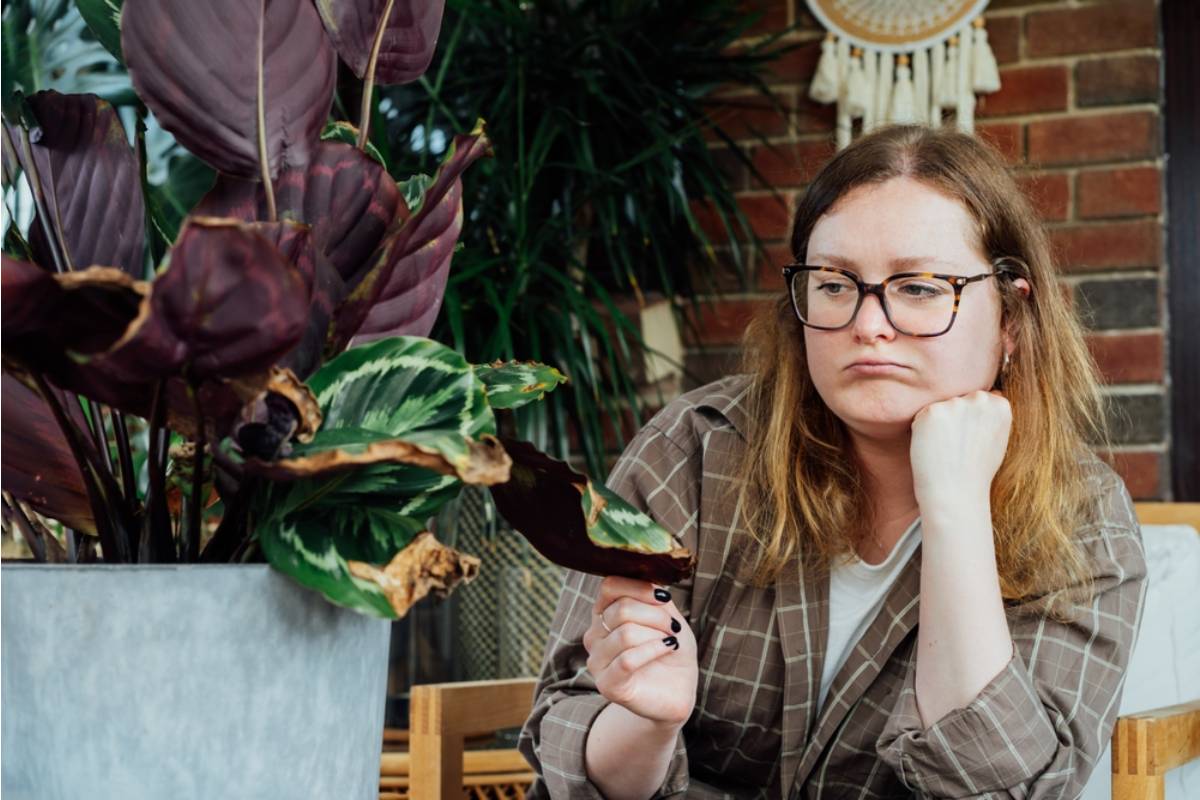
One afternoon, his neighbor Jessica knocked on the door holding a potted hydrangea with drooping leaves. She explained that she watered it every morning and every evening because she did not want it to dry out. Despite all that attention, the plant looked worse each week. She had already tried adding fertilizer and even replaced the potting mix. Nothing seemed to help.
The Soil Told a Different Story
Michael gently pressed a finger into the potting mix and immediately frowned. The soil felt heavy, cold, and completely saturated several inches below the surface. When he tipped the container slightly, water seeped from the drainage holes even though Jessica had watered it only an hour earlier. He explained that the roots were spending more time underwater than they were breathing. Jessica looked confused because she thought more water always meant healthier plants.
Another Garden Showed the Same Pattern
The following weekend, Michael visited another neighbor who complained about yellowing tomato plants. The leaves looked unhealthy even though the garden had been watered every day without fail. Digging a small hole beside one plant revealed damp soil that never had a chance to dry slightly between waterings. The roots had become weak because they no longer searched deeper for moisture. Once again, too much care had quietly become the problem.
The Community Garden Meeting Sparked Debate
At the monthly community garden gathering, Michael shared what he had observed around the neighborhood. Several experienced gardeners nodded in agreement, but newer members questioned whether underwatering was still a bigger threat. One woman admitted she watered whenever she felt guilty about skipping a day. Another confessed she followed the calendar instead of checking the soil itself. The discussion quickly became more lively than anyone expected.
A Simple Demonstration Changed Minds
Michael filled two identical containers with the same soil and planted matching seedlings. One received moderate watering only when the soil needed it, while the other was watered every day regardless of conditions. Over several weeks, everyone watched the difference become impossible to ignore. The carefully watered seedling developed stronger growth and healthier leaves. The overwatered plant struggled despite receiving far more attention.
Rain Complicated Everything
A week of steady rainfall arrived just as several gardeners continued their normal watering routine. Michael noticed sprinklers still running in a few yards even though the ground remained soaked. He walked over to one neighbor and pointed out puddles still standing beneath the plants. The neighbor admitted she had forgotten to adjust the automatic irrigation system. That small oversight explained why several flower beds suddenly looked unhealthy.
An Expensive Replacement Did Not Solve the Problem
Jessica eventually replaced her struggling hydrangea with a brand new one. Determined not to lose another plant, she began watering the replacement even more often than before. Within a month, the fresh plant developed the same symptoms. Frustrated, she called Michael back for another look. This time she finally accepted that the watering routine needed to change instead of the plants.
The Garden Center Employee Added Another Clue
While shopping for mulch, Michael overheard a conversation between a customer and an employee at the local garden center. The customer complained that every houseplant eventually died despite receiving daily watering. The employee smiled and asked a simple question about drainage holes before recommending another product. Michael realized the same misunderstanding existed far beyond his own neighborhood. People often equated frequent watering with responsible gardening.
A Child Made the Most Honest Observation
During a weekend family barbecue, Michael’s young nephew followed him through the garden carrying a small watering can. The child asked why some plants received water while others did not. Michael explained that plants needed water when they were thirsty, not simply because the gardener felt like watering them. His nephew thought for a moment and said people should probably check the plants first instead of the calendar. The adults laughed because the answer was surprisingly wise.
A Different Routine Produced Better Results
Over the next several weeks, Jessica began checking soil moisture before reaching for the hose. Some days she watered, while other days she left the plants alone. At first the routine felt uncomfortable because she worried she was neglecting them. Instead, the leaves became greener, and fresh growth appeared throughout the garden. Watching the improvement gave her confidence to trust the process.
The Neighborhood Started Sharing a New Habit
Conversations among local gardeners slowly changed. Instead of asking how often someone watered, people started asking how they decided when to water. Neighbors compared methods for checking soil and discussed signs that plants actually needed moisture. The focus shifted away from strict schedules and toward paying attention to individual conditions. Gardens across the neighborhood quietly became healthier because of that change in thinking.
The Hose Was No Longer the First Solution
By the end of the season, Michael noticed something encouraging during his evening walks. Fewer sprinklers ran automatically after rain, and more gardeners paused to inspect the soil before turning on the water. Many admitted they once believed pests or poor soil caused most of their failures. They now understood that the biggest danger had often come from trying too hard to help. Sometimes the healthiest thing a gardener can do is wait one more day before reaching for the hose.