Gallon Jugs With 4 Inches of Potting Mix Let Gardeners Winter-Sow Native Wildflowers Outdoors, and UW Extension Says Most Seeds Need 30 to 60 Days of Cold
The empty milk jugs headed for the recycling bin this month can become a winter seed nursery. Extension horticulturists across the Midwest and Plains teach winter sowing, a method that uses cut gallon jugs filled with a few inches of moist potting mix to start native wildflowers outdoors, where winter itself does the work a refrigerator otherwise would. University of Wisconsin-Madison Extension says most native seeds that need that cold period need it for 30 or 60 days.
Now is the time to save jugs and order seed. The sowing itself starts as winter sets in.
Why Some Native Seeds Need Winter First
Many native plants drop their seed in fall and won’t germinate until they’ve spent a season cold and damp. Lisa A. Johnson of Extension Dane County explains that winter sowing mimics the cold, moist conditions those seeds would face outdoors. The seed packet should state the minimum stratification period, she writes, and it is usually 30 or 60 days.
Not every native needs the same treatment. Johnson notes that some need no cold at all and some need a cold, dry period instead, kept in a sealed container in the refrigerator. Seeds with complex requirements can take about two years to germinate, and she doesn’t recommend them for beginners.
Pat Munts, writing for The Spokesman-Review, lists garden flowers that may need stratification, including milkweed, lupine, coneflowers, black-eyed Susans, columbine, false indigo and foxglove. She also warns that seed packets don’t always say whether a cold period is needed.
Building the Jug
Johnson’s method is precise. Start with an empty gallon jug, such as a distilled water, juice, vinegar or thoroughly washed milk jug, and discard the cap. Drill six or seven drainage holes about a quarter inch across in the bottom. Cut the jug horizontally, leaving the handle area uncut as a hinge. Add about 4 inches of pre-moistened potting mix, tamp it lightly and water until it drains.
Light-needing seeds get pressed onto the surface, not buried. A label goes inside the jug, the halves get taped shut with duct tape, and the outside gets labeled too.
Other extension services vary the depth slightly. Robin Buterbaugh of SDSU Extension calls for 2 to 4 inches of moistened soilless seed-starting medium. Jamie Viebach of Illinois Extension uses about 3 inches and suggests labeling with nail polish, since permanent marker can fade outdoors. Tina Webster of the University of Maryland Extension Master Gardeners in Washington County uses 3 to 4 inches of premoistened potting mix, warns against garden soil, and says fertilizer isn’t needed.
When to Sow
The calendar starts around the holidays. Buterbaugh puts native perennials in the jugs from December through February, with cold-hardy annuals, perennials and vegetables from February through April. Munts writes that “late December is the best time to plant.” Viebach notes that tradition points to the winter solstice, but in warmer years a later start can work better. One of Johnson’s sample jugs was planted Dec. 22.
That leaves November for preparation: rinsing and saving jugs, buying seed of local native species and checking each packet for its cold requirement. Buterbaugh points to packet codes such as “C30” as the signal for a 30-day cold period. Webster suggests choosing packets marked hardy, self-sowing, needing pre-chilling or suited to fall sowing.
Where the Jugs Spend the Winter
Placement varies with the climate. Johnson sets jugs outdoors in a cold frame, a window well away from the eaves, or a chicken-wire pen so they don’t blow away, and calls snow cover ideal insulation. Buterbaugh suggests a sunny, protected spot, with a milk crate or tote to keep containers from tipping. Webster also uses a sunny spot away from overhangs, while Munts uses a shady, protected spot in Spokane.
Thick-coated seeds such as leadplant and baptisia benefit from a light scoring on fine sandpaper before going in, Johnson adds.
What Happens in Spring
The jugs act as small greenhouses once days warm up. Johnson removes the tape and opens the top when seedlings emerge, closing it on cold nights. Buterbaugh says natives that haven’t sprouted by May or June should be watered regularly with the container open, since some take months to germinate. Webster notes that natives may not bloom the first year and can be grown on in pots over summer and planted in fall.
Seedlings are ready to move once they have one to two sets of true leaves, according to Johnson, after hardening off in partial shade for “over the course of a week to 10 days.” For gardeners who have been leaving perennial stems and seed heads standing this fall, winter sowing is a way to turn the same plants into next year’s starts.
Get stories like this by email. Sign up for The Parent Diaries Letter.
This article was produced with AI assistance and edited for accuracy against the sources linked above.
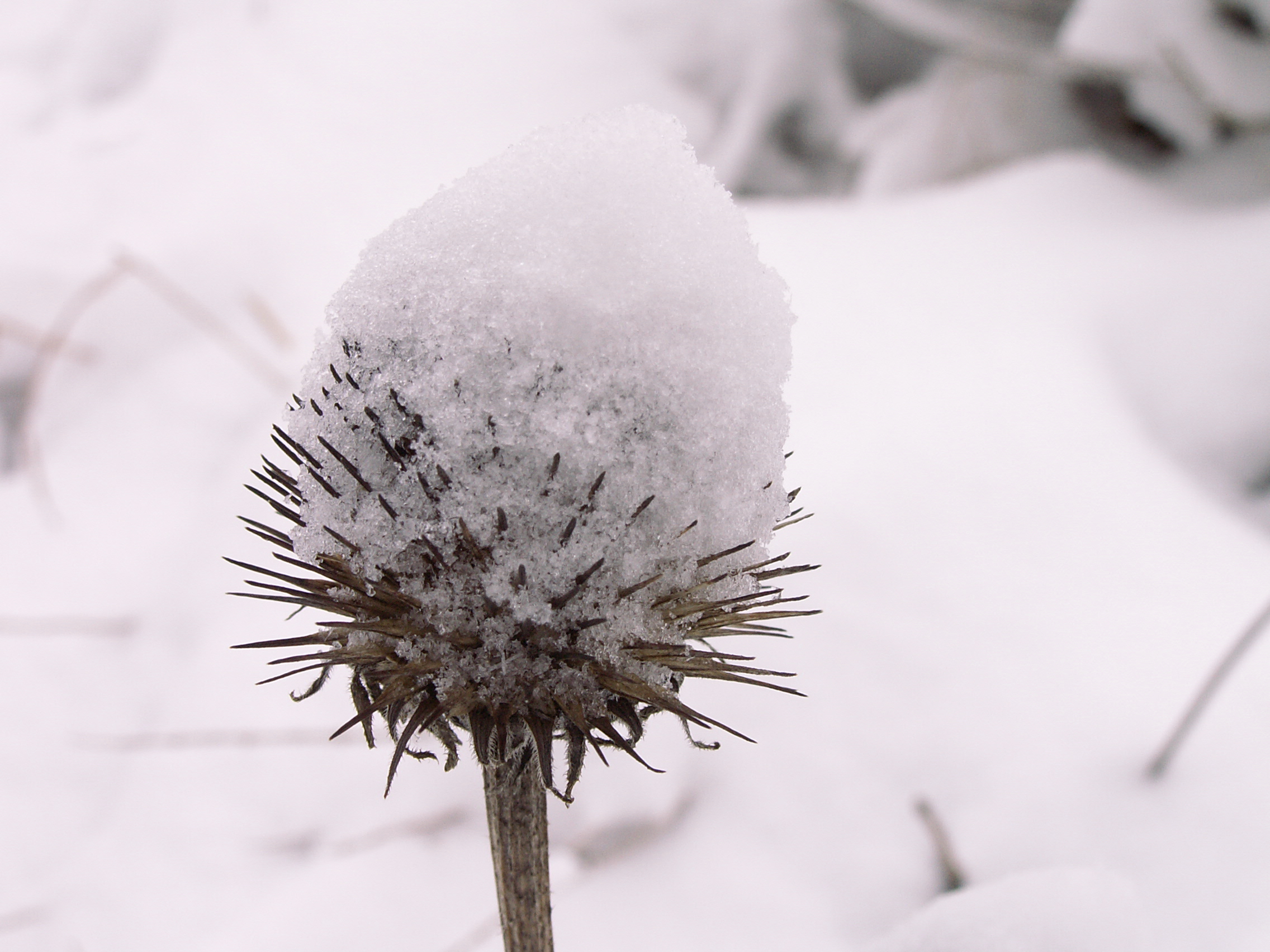
Image: Cbaile19 – CC0/Wikimedia Commons