Fig Trees Take Real Damage Below 15 Degrees, So Penn State Master Gardeners Wrap Them in Burlap, Cardboard and Straw After the First Hard Frost
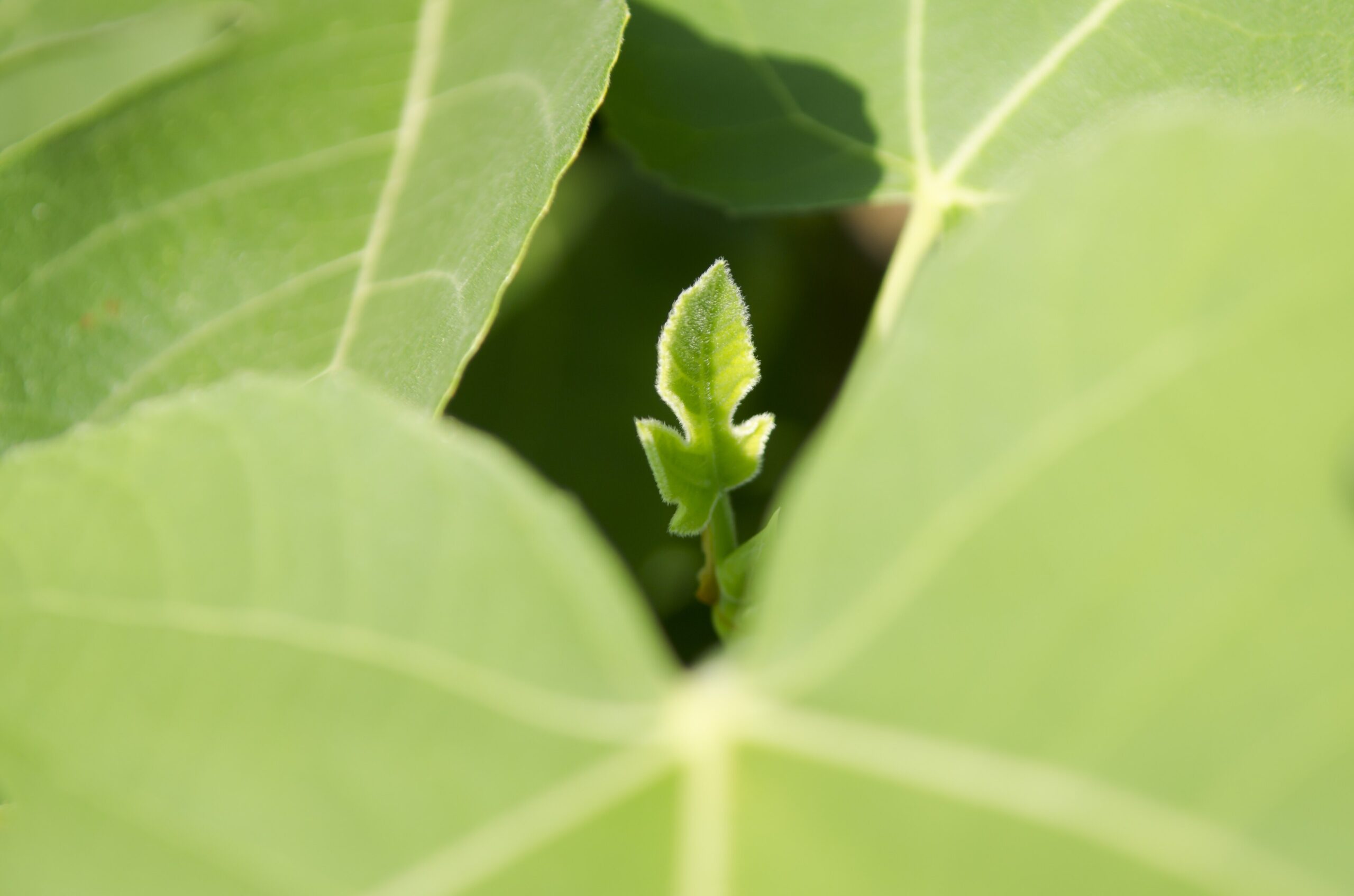
Once the first hard frost blackens the last fig leaves, northern gardeners have a short window to get their trees ready for winter. Penn State Extension Master Gardener Patricia A. Morgan says edible figs can ride out temperatures down to about 20 degrees, but below 15 degrees they suffer true winter damage. That gap is why so many backyard figs in cold-winter states spend November disappearing under burlap, cardboard and straw.
The work is not complicated, and a fig that dies back is rarely lost for good. Still, the difference between a tree that leafs out from its old wood in spring and one that has to start over from the roots usually comes down to how it was wrapped this month.
Why 15 Degrees Is the Number That Matters
The common fig, Ficus carica, is only marginally hardy across much of the North. Morgan, who also wrote Penn State’s guide to figs in the home garden, writes in the extension’s winterizing guide that the trees tolerate cold down to 20 degrees, and that damage sets in below 15 degrees. The one exception she names is ‘Chicago Hardy,’ which is more cold-resistant than most.
Iowa State University Extension and Outreach horticulturists Suzanne Slack and Abigail Knight are cautious even about that variety. In Iowa State’s guide to growing hardy figs, they list ‘Chicago Hardy’ as the most cold-tolerant of the cultivars they cover, rated for zones 5 to 10, but warn that it may not always make it through winter in the coldest parts of zone 5. They add that common figs can handle 15 to 20 degrees once acclimated to cold, which is still typically too cold for a fig growing in a pot.
Morgan notes that dieback to the base is not fatal. The plant regrows from its roots as a shrub. But a tree that loses all of its top growth loses a season of size, and the main crop, which forms on the current year’s wood, can come in late or light.
The Penn State Wrap, Step by Step
Penn State’s method starts only after a hard frost, once the tree has been pushed toward dormancy. Morgan’s steps for an in-ground fig run in this order:
- Strip off any remaining leaves and unripe figs.
- Mulch the base 6 to 12 inches deep with leaves, straw or other organic material.
- Prune the tree to a manageable height, which also encourages regrowth in spring.
- Pull the flexible branches together and tie them, or hold them with bungee cords.
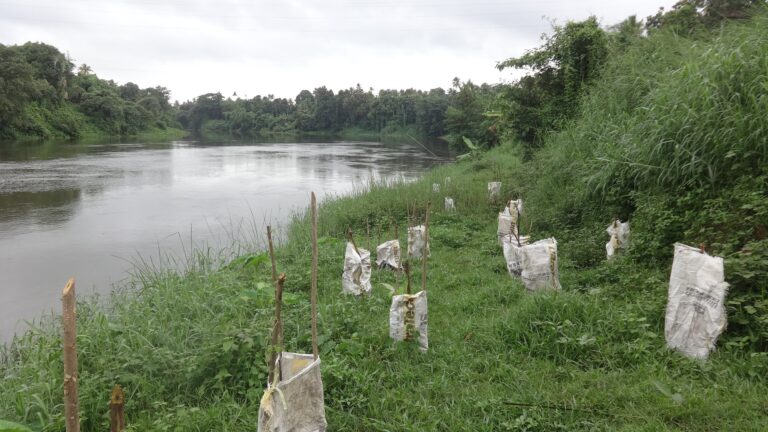
- Wrap the bundle in a breathable fabric such as burlap, canvas, row cover or an old quilt. Plastic is out.
- Encase the wrapped tree in cardboard, then fill the space loosely with straw, not hay, so air pockets form.
- Top it all with a tarp to shed rain and snow, leaving a gap at the bottom for airflow. An upturned bucket or nursery pot can cap the top.
Morgan also describes a second approach, burying the tree. The branches are bound, a trench is dug beside the tree, and the soil is cut about a foot deep around the root ball so the trunk can bend down into the trench. The tree is then covered with soil, boards or paper to deter mice and voles, and a heavy mulch about a foot deep.
What Other Extension Programs Do Differently
The basic idea is shared across the Northeast, but the timing and materials shift a little from one program to the next. A Rutgers Master Gardener fact sheet from Hunterdon County says sustained cold below 20 degrees injures unprotected figs, and it puts wrapping time after the leaves fall and the plant goes dormant, often around Thanksgiving. Rutgers lists burlap, heavy brown paper and tar paper, with soil mounded at the base, or a chicken-wire cage stuffed with leaves or straw and topped with a tarp. It recommends ‘Brown Turkey,’ ‘Celeste’ and ‘Hardy Chicago’ for better winter survival.
Cornell Cooperative Extension of Nassau County on Long Island has a long tradition of wrapping figs. Its guide says to bury trees just before Thanksgiving, or to wrap them starting around the first week of December on a clear, dry day, finishing the job in one session. The Nassau steps layer burlap, heavy brown paper and cardboard around the lower half, then tar paper overlapped like shingles so water runs off. The guide is blunt about one thing: never use plastic on any part of the tree.
Gardeners at the Brooklyn Botanic Garden use a similar cage. Former Herb Garden gardener Maeve Turner described bundling the stems upright in burlap, building a slightly tapered chicken-wire cage on stakes, wrapping it in tar paper or roofing felt, filling it with shredded leaves and capping it with an upside-down bucket. She estimated about 60 square feet of burlap and roughly 12 feet of chicken wire for an 8-foot tree.
In western Pennsylvania, Grow Pittsburgh’s overwintering guide advises waiting until most or all of the leaves have dropped in November before burying or wrapping. Its wrapping method adds a second layer of mulch and burlap or brown paper, with the bottom edge tucked into a shallow trench 1 to 2 feet from the trunk and backfilled with soil to hold it.
Potted Figs Go Into the Dark, and Plastic Stays Out
Container figs have an easier winter. Morgan’s instructions are to remove leaves and unripe fruit after a hard frost, then move the pot into an insulated but unheated room, garage or cool basement, ideally somewhere dark. If the space has light, she suggests covering the tree. Water about once a month, just enough to keep the soil from drying out completely, and skip pruning and fertilizer until spring.
The cold is not only something to survive. Morgan writes that figs need at least 100 hours of chilling to produce fruit, so a heated living room is the wrong place for a dormant tree. The pots come back outdoors in April. Iowa State’s advice is similar: bring a potted fig in before the first hard freeze and keep it somewhere cool and protected, such as a garage or basement, that stays above freezing.
For gardeners juggling several tender plants this month, the same timing applies to overwintering other potted plants without killing their roots.
The Penn State, Rutgers and Nassau County guides all warn against plastic, and Morgan explains why from experience. She writes that bubble wrap and pipe insulation trapped moisture around her trees and led to fungal problems such as powdery mildew. Straw, by contrast, is generally clean and holds air pockets that insulate. Leaves work, but they can carry bacterial or fungal problems into the wrap.
The same breathable-fabric principle shows up in other winter jobs, from burlap windbreaks for rhododendrons to mounding soil over rose canes.
When the Wrap Comes Off
Unwrapping is a judgment call that weighs fruit against frost. Cornell’s Nassau guide says protection usually comes off around mid-March, on a cloudy day after frost danger has passed. Removing it earlier helps the fruit mature, but taking it off too soon can let a late frost kill the figs. Brooklyn Botanic Garden usually unwraps in late March, while Grow Pittsburgh holds off until late April or early May. Rutgers puts it simply: leave the protection on until temperatures moderate and the danger of spring frost is gone.
Morgan’s last piece of advice is about the long game. Planting in a sheltered spot, such as against a south-facing wall, cuts the extreme cold and drying winds a fig faces every winter, and makes every one of these steps a little more likely to work.
Get stories like this by email. Sign up for The Parent Diaries Letter.
This article was produced with AI assistance and edited for accuracy against the sources linked above.
Image: Matthew T Rader – CC BY-SA 4.0/Wikimedia Commons