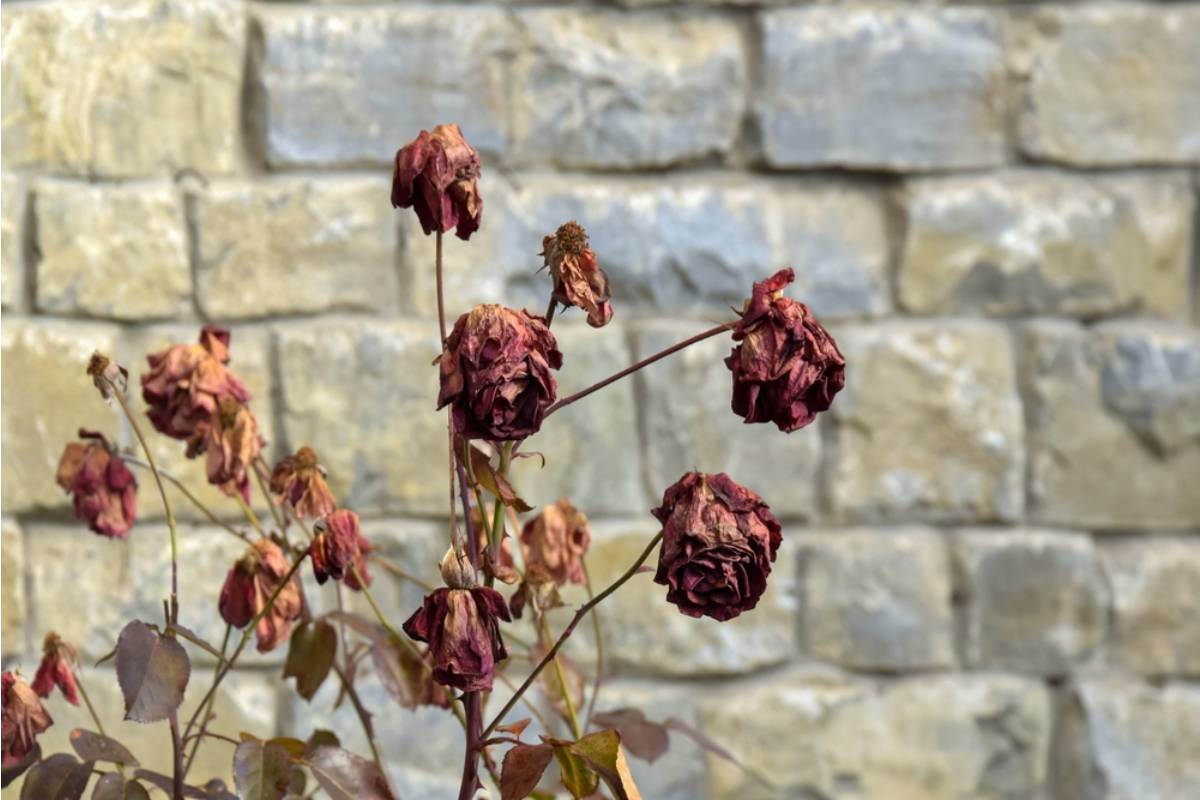
A Gardener Finally Figured Out Why Her Prize Roses Kept Failing Every August, and the Answer Had Nothing to Do With Soil
For six summers in a row, Olivia watched the same heartbreaking pattern unfold in her backyard. Her prize winning roses flourished through spring and early summer, only to weaken dramatically every August without any clear explanation.
She replaced soil, tested fertilizer, adjusted watering schedules, and even consulted local gardening experts, but nothing solved the mystery. It took one unexpected conversation and a surprising late summer discovery to reveal that the real problem had never been beneath the ground.
The Roses Always Started the Season Strong
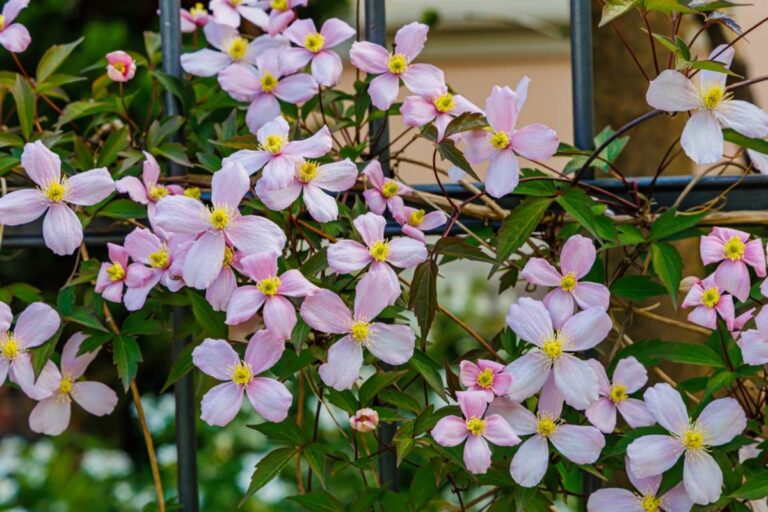
Olivia’s backyard was famous throughout her suburban neighborhood. Every May, visitors stopped to admire rows of vibrant hybrid tea roses climbing along white trellises and surrounding a winding brick path. She had spent nearly fifteen years perfecting the garden, carefully selecting varieties known for their fragrance and colorful blooms.
By the middle of July, everything looked spectacular.
Neighbors often asked for growing tips because her flowers consistently outperformed everyone else’s. That made what happened every August even more confusing.
The Decline Happened Almost Overnight
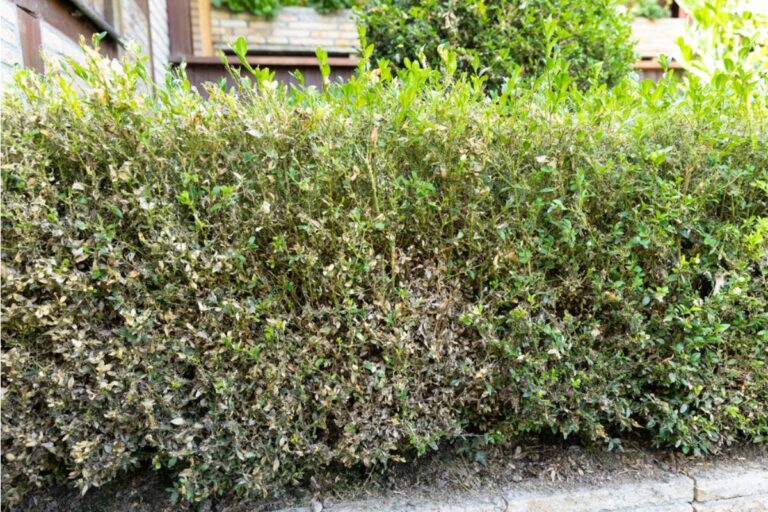
Without warning, healthy leaves began curling inward. Fresh blooms shriveled before fully opening, and entire branches appeared stressed despite receiving plenty of water. Olivia checked constantly for insects, fungal diseases, and nutrient deficiencies.
Nothing explained the sudden collapse.
Even stranger, the damage always began on the exact same group of rose bushes before spreading farther into the garden. The predictable pattern suggested something specific, but she could not identify what it was.
Every Gardening Trick Ended in Disappointment
Determined to solve the mystery, Olivia experimented with nearly every recommendation she received. She changed mulch, adjusted irrigation timing, rotated fertilizers, and pruned differently each season. She even replaced several mature bushes with healthy nursery plants.
The replacements followed the exact same pattern.
By Labor Day, they looked almost as exhausted as the older roses they had replaced. Every failed attempt left Olivia more frustrated than the year before.
A Garden Club Meeting Introduced a New Perspective
During a monthly gardening club gathering, Olivia described the recurring problem to several experienced growers. Most members focused on soil conditions and watering techniques until an older gardener named Barbara asked an unexpected question.
“Does anything around your property change every August?”
Olivia immediately answered no.
Barbara smiled thoughtfully.
“Sometimes the garden isn’t the thing changing.”
The unusual suggestion stayed in Olivia’s mind long after the meeting ended.
Looking Beyond the Flower Beds
Instead of inspecting leaves and roots again, Olivia began observing everything surrounding the garden. She stood outside at different times of day and watched how sunlight moved across the yard. She listened for unusual sounds and paid attention to activity beyond her own fence.
Nothing seemed different at first.
Then she noticed that the neighboring property suddenly became much busier every August. Workers arrived carrying ladders, extension cords, and large pieces of equipment.
She had seen them before but never connected the timing.
The Neighbor’s Backyard Hosted a Seasonal Tradition
Olivia’s neighbor, Greg, operated a small family business creating decorative displays for community festivals. Every August, his backyard became a temporary workshop where large wooden frames were painted and assembled before delivery.
Greg had always been friendly.
When Olivia asked what the workers were doing, he happily explained they were preparing dozens of display pieces for fall events.
The conversation seemed ordinary until Olivia noticed several large portable generators running behind his detached garage.
An Odd Pattern Began to Stand Out
The generators operated for several hours almost every afternoon while power tools and paint sprayers were used. Olivia realized the machines sat directly behind the section of fence closest to the roses that always declined first.
She walked through her garden during one of those work sessions.
A steady stream of warm air drifted across the fence.
The temperature near those first rose bushes felt noticeably hotter than the rest of the yard.
For the first time, she wondered if the issue had nothing to do with the plants themselves.
A Simple Thermometer Revealed Something Surprising
The following afternoon Olivia placed several inexpensive outdoor thermometers around the garden. She checked them every hour while Greg’s workshop was active.
The readings surprised her.
The area closest to the generators consistently measured several degrees warmer than flower beds only a short distance away.
Combined with reflected heat from the wooden fence, that corner of the garden experienced far more stress than she had ever realized.
Still, she needed stronger evidence before drawing conclusions.
A University Extension Specialist Connected the Dots
Olivia contacted a local horticulture extension specialist and described everything she had observed. After visiting the property, the specialist carefully examined the damaged roses and measured temperatures around the fence line.
He nodded thoughtfully.
“The soil isn’t your primary problem.”
He explained that prolonged afternoon heat combined with constant hot exhaust airflow created a localized microclimate. During the hottest part of late summer, the roses closest to the fence experienced repeated heat stress that weakened them even though the rest of the garden remained healthy.
Olivia finally had an explanation that matched every symptom.
The Conversation She Was Nervous to Have
Although relieved, Olivia worried about approaching Greg. She did not want him to think she blamed him for the problem.
One evening she showed him the temperature readings and the specialist’s report.
Greg looked genuinely shocked.
“I had no idea those generators could affect your garden.”
He walked to the fence and felt the warm air for himself.
“I’ve been putting them in the same spot every summer because it’s convenient.”
Neither of them expected such a simple habit to create years of frustration.
Working Together Produced Better Ideas
Rather than arguing over responsibility, Greg immediately suggested finding a solution. He moved the generators to the opposite side of his property and installed temporary sound and heat barriers around the equipment.
Olivia also planted taller shrubs along the shared fence to reduce reflected heat.
The extension specialist recommended adding a shade cloth during the hottest weeks of late summer until the shrubs matured.
Together, the small changes completely altered conditions around the roses.
The Next August Felt Different
When August returned, Olivia watched the garden with cautious optimism. The temperatures near the fence remained much closer to those recorded throughout the rest of the yard.
Week after week, the roses continued producing healthy blooms.
Leaves stayed green instead of curling.
New flower buds opened normally.
For the first time in years, the familiar cycle of disappointment never arrived.
The Garden Club Could Hardly Believe the Story
At the next gardening club meeting, Olivia brought fresh roses cut from the very bushes that had struggled every previous August. Everyone expected her to describe another fertilizer or soil amendment.
Instead, she explained how a hidden pocket of excess heat had been affecting the plants.
Barbara smiled knowingly.
“I told you the garden might not be the thing changing.”
Several members admitted they had never considered how nearby activities could quietly create different growing conditions within the same yard.
The discussion became one of the club’s most memorable meetings.
A Lesson That Extended Beyond Gardening
The following spring, Olivia and Greg worked together to plant flowering shrubs along the shared fence, creating a natural screen that benefited both properties. Their conversations became regular weekend chats instead of quick greetings over the mailbox. What began as a frustrating gardening mystery unexpectedly strengthened a friendship that neither neighbor realized had room to grow.
Looking back, Olivia understood why every soil test, fertilizer adjustment, and watering schedule had failed. She had been searching beneath the roses for an answer that was floating through the air all along. The experience reminded her that successful gardening requires paying attention not only to what happens in the ground, but also to the changing environment surrounding every plant.
Sometimes the most important clue is not hidden in the roots. It is quietly waiting just beyond the garden fence, where an overlooked detail can shape an entire season without anyone noticing until they finally look in the right direction.