A Gardener in Alberta Grew Passionfruit in a Climate Where It Shouldn’t Survive, Then the First Flower Bloomed and Reminded Them of the One Person They Could No Longer Call
A person shared his story about achieving something remarkable in a garden in Alberta, Canada, only to discover that even the happiest gardening milestones can bring unexpected sadness. After spending much of the previous year estranged from his mother, he had finally begun enjoying a level of peace that had been missing from his daily life for a long time. The constant stress and emotional pain had eased, allowing him to focus on things that brought genuine happiness. Then a single flower appeared, and suddenly, those complicated feelings came rushing back.
The flower was not just another pretty addition to the garden, either. It was the first passionfruit flower he had successfully grown outdoors in a climate where the plant would normally struggle to survive. What should have been a moment of pure celebration became a reminder of a relationship he had chosen to leave behind. The surprising part was that he had felt perfectly content about that decision during some of life’s biggest milestones, yet a tiny bloom managed to stir up emotions he thought he had put behind him.
The Gardener Had Finally Found Peace After a Difficult Relationship
The person explained that he had gone no-contact with his mother after more than a decade of trying to improve their relationship. Those efforts had repeatedly failed to bring the progress he needed, leaving him emotionally exhausted. Eventually, stepping away brought a sense of relief that was difficult to put into words. For the first time in a long while, he could enjoy his everyday life without carrying the same constant burden.
That newfound freedom did not mean every difficult feeling had disappeared. Even when a decision is necessary for someone’s well-being, it can still come with sadness, memories, and moments of doubt. The gardener had reached a point where he could not imagine returning to the old relationship dynamic. Yet his garden was about to reveal that finding peace and grieving what was lost could happen at the same time.
Gardening Was the One Interest They Could Safely Share
There was one subject the gardener and his mother had been able to discuss without running into the same difficulties that affected other parts of their relationship. That shared interest was gardening, particularly plants and the excitement of watching them grow. While their relationship had become painful, discussing flowers and growing techniques had offered a rare point of connection. It was an interest that remained meaningful even after contact ended.
That connection made the first passionfruit flower especially emotional. The gardener had accomplished something extraordinary and immediately thought of the one person who would understand exactly why it mattered. He wanted to share the news with someone who knew the significance of the achievement without needing a lengthy explanation. Unfortunately, the person who once filled that role was no longer someone he felt able to contact.
The Passionfruit Plant Defied Expectations in Zone 4b
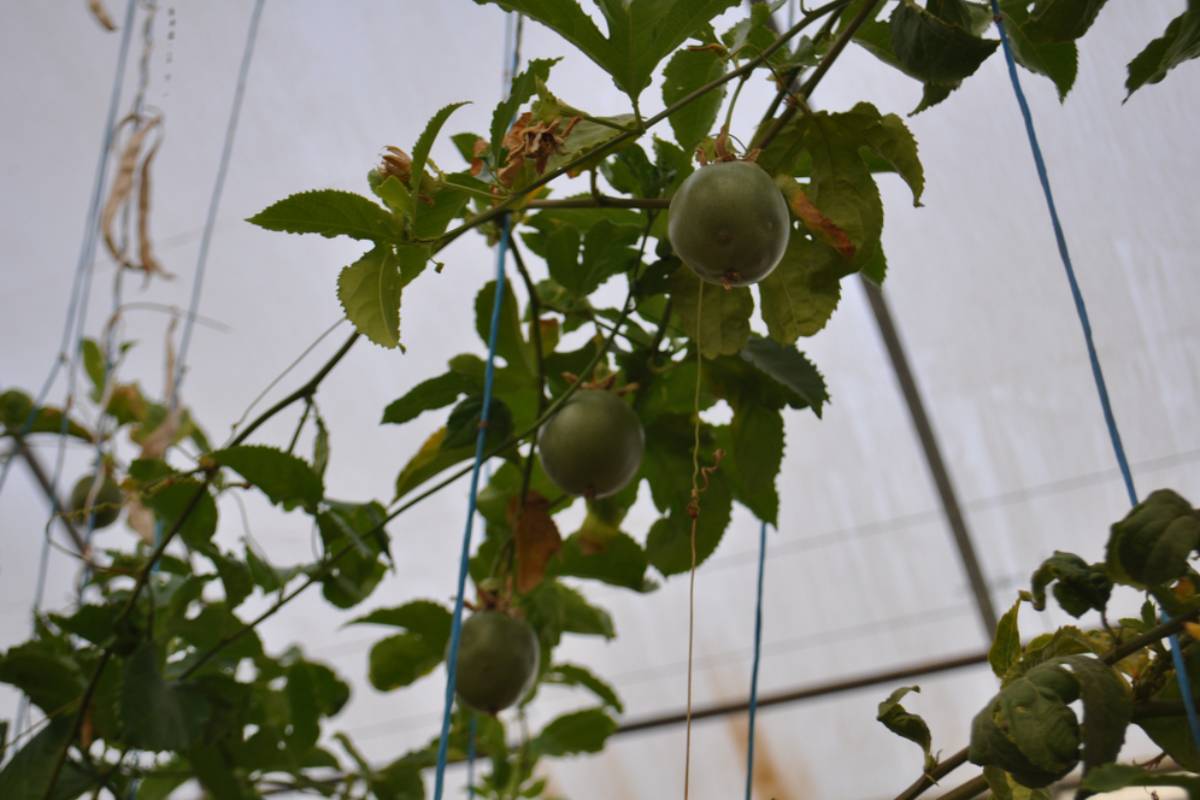
Passionfruit plants are generally associated with much warmer climates, often thriving in hardiness zones 9 through 11. Alberta’s zone 4b conditions present a very different challenge, with winters cold enough to make growing tropical and subtropical plants outdoors particularly difficult. Successfully getting a passionfruit plant to flower under those circumstances was an impressive accomplishment. For a gardener who had put time and attention into the project, the bloom represented much more than an attractive flower.
The achievement also demonstrated how experimenting with plants can lead to surprising results. Rather than accepting that passionfruit belonged exclusively in warmer regions, the gardener found a way to grow it in a place where success was far from guaranteed. The first flower became proof that the effort had paid off. Ironically, that proof of success also brought back a painful reminder of the relationship that had once been tied to his love of gardening.
One Flower Brought Back Feelings He Did Not Expect
The gardener admitted that he had been close to tears throughout the day after the flower opened. The emotional reaction surprised him because he had spent months enjoying the freedom that came with ending contact. He had not suddenly decided that the relationship should resume, nor had he forgotten why he stepped away. Instead, the flower reminded him of a familiar experience he could no longer share with his mother.
It was a strange contrast between what he knew logically and what he felt emotionally. He understood that maintaining distance was important for his well-being, yet he still missed having someone specific to call when something wonderful happened. The flower had not changed the circumstances, but it had brought an old absence into sharp focus. Sometimes, the smallest moments can uncover feelings that larger events seem unable to reach.
His Wedding Had Felt Easier Than a Flowering Plant
One detail made the gardener’s reaction even more surprising to him. He explained that he had celebrated his wedding in August without his estranged family present and had felt cheerful rather than overwhelmed by their absence. He had been proud of himself for holding firm to his decision and focusing on the life he was building. Compared with that major occasion, a single flower seemed like an unlikely reason to feel so emotional.
Yet grief does not always follow the schedule people expect. A wedding brings its own excitement, activity, and opportunities to focus on the people who are present. A quiet moment in the garden can leave more room for memories to surface. The contrast left the gardener wondering why a flower could unsettle him when an important life event had not.
A Response From a Person Explained Why Small Moments Can Hurt
A response from a person offered a helpful perspective on the unexpected wave of sadness. They explained that grief can emerge in surprising ways, particularly when a small event brings memories of a relationship that contained both meaningful moments and painful experiences. The flower was not simply a flower because it was connected to something the gardener and his mother had once shared. Its appearance carried memories that made the achievement feel bittersweet.
That perspective helped explain why the gardener’s reaction did not necessarily mean he was reconsidering his decision. Missing a particular aspect of a relationship does not erase the reasons someone needed distance. A person can remember the good parts while still recognizing that the overall relationship was unhealthy for them. The emotional challenge lies in allowing both truths to exist without treating one as proof that the other was wrong.
The Garden Had Become a Place of Freedom
For the gardener, growing plants was more than a casual pastime. It had become part of a life in which he could make choices, experiment, and enjoy his accomplishments without the same emotional strain he had experienced before. The successful passionfruit plant offered a tangible reminder of what patience and care could produce. Each new leaf and flower represented something he had nurtured for himself.
The irony was that gardening had once been the safest subject he could share with his mother, yet it had also become a source of personal independence. He could continue loving plants without reopening a relationship that had caused him pain. The garden did not require him to choose between remembering the past and enjoying the present. It gave him room to do both, even when those feelings occasionally collided.
Other Gardeners Recognized the Achievement Immediately
Several people responding to the story were impressed by the passionfruit flower itself. Growing a plant associated with warmer climates in zone 4b was no small feat, and fellow gardeners wanted to know how he had managed it. Their reactions focused on the unusual success of the plant and the care required to bring it to flowering. What began as a personal expression of grief also became an opportunity to celebrate an achievement that other plant enthusiasts could appreciate.
One response even encouraged him to save seeds or consider ways to continue growing passionfruit in future seasons. The suggestion reflected a familiar gardening instinct: when something remarkable grows, the next question is how to keep it going. For the gardener, the bloom was already proof that his experiment had worked. The encouragement from other plant lovers added another layer of happiness to a day that had initially felt unexpectedly painful.
Indoor Vines Helped Make the Outdoor Experiment Possible
When people asked about his methods, the gardener explained that he already grew large passionfruit vines indoors. He had used cuttings from those established plants to start the outdoor ones, rather than beginning entirely from seed. The plants were growing in large containers, and he had not relied on a special fertilizer to achieve the result. He used the same general-purpose fertilizer he applied to his vegetable plants.
That practical explanation made the achievement even more interesting to fellow gardeners facing similar climate challenges. Starting with cuttings from a healthy plant offered a way to experiment without waiting for seeds to develop into mature vines. Growing in containers also gave the gardener greater flexibility than planting directly into the ground. His success did not guarantee that every gardener in a cold region would get the same result, but it showed how experimentation could produce a surprising outcome.
The First Bloom Opened the Door to a New Gardening Community
The gardener’s story attracted people who shared his enthusiasm for unusual plants and challenging growing conditions. One person suggested connecting with other Canadian gardening enthusiasts who would appreciate the effort involved. That recommendation offered an opportunity to share practical knowledge with people who understood the difficulties of gardening in a cold climate. Instead of keeping the achievement tied to one painful relationship, he could celebrate it with others who shared his interests.
The responses also showed that a shared hobby can connect people who have never met. Fellow gardeners understood why the flower mattered, both as a horticultural accomplishment and as a symbol of persistence. They could admire the plant without needing to know every detail of the gardener’s family history. In a moment when he felt the absence of one important connection, he discovered that there were other people willing to celebrate what he had grown.
Some Plants Carry Memories Along With Their Flowers
Gardening often creates strong associations with people, places, and particular stages of life. A certain rose might remind someone of a grandparent, while a vegetable patch might bring back memories of a childhood home. For this gardener, passionfruit had become connected to the one subject he could once discuss safely with his mother. Seeing the first flower brought that history back with unusual intensity.
The response from another person emphasized that seemingly minor events can make room for feelings that have been waiting beneath the surface. A song, a meal, or an ordinary act of kindness can trigger the same reaction when it connects to something meaningful. There is no reliable way to predict which moment will carry the greatest emotional weight. The gardener’s experience was a reminder that the importance of a memory cannot always be measured by the size of the event that brings it back.
The Gardener Chose to Share the Flower Instead of Reaching Out
Despite the sadness, the gardener made a deliberate choice not to contact his mother. Rather than breaking the boundary he had established, he shared the story and the flower with others. That decision allowed him to acknowledge the feelings without abandoning the reasons he had chosen distance in the first place. It was a small but meaningful example of finding another way to respond to an emotional urge.
The choice also changed the direction of the story. Instead of allowing the flower to become a reason to reopen a difficult relationship, he used the moment to connect with people who could appreciate his achievement. He did not have to pretend that the sadness was absent or convince himself that the relationship had never mattered. He could simply let the feeling exist while continuing to protect the peace he had worked so hard to find.
Fellow Plant Lovers Offered Encouragement Beyond Gardening Advice
The responses were not limited to discussions about cuttings, containers, or fertilizer. Some people offered emotional support and recognized how difficult it can be to want to share good news with a family member who is no longer a safe person to contact. They congratulated the gardener for the flower while acknowledging the complicated feelings behind the post. Their messages showed that support does not always require solving a problem or finding the perfect words.
Other gardeners also shared experiences of wanting to contact estranged family members about achievements in a shared hobby. For them, familiar activities could trigger memories of criticism or moments when nothing seemed good enough. These responses helped show that the gardener’s mixed emotions were not unusual or contradictory. A person can be proud of what they have accomplished, miss the connection they once wanted, and still know that maintaining distance is the right choice for them.
The Passionfruit Flower Became a Symbol of Moving Forward
By the end of the discussion, the flower represented far more than a successful gardening experiment. It showed that the gardener could nurture something extraordinary in difficult conditions while continuing to build a life that felt more peaceful. The sadness that accompanied the bloom did not cancel out the achievement, and the achievement did not erase the grief. Both were part of the same complicated moment.
Perhaps the most meaningful twist was that the gardener had set out to grow a plant, not to learn another lesson about healing. Yet the first flower reminded him that progress does not mean never feeling hurt again. Sometimes, moving forward means being able to experience an unexpected wave of sadness without letting it dictate what happens next. And in this case, a remarkable passionfruit bloom in an Alberta garden became a small but powerful reminder that something beautiful can grow even when the surrounding circumstances are far from ideal.