A Gardener Tried Asking for Free Plant Cuttings at an Estate Sale to Grow a Budget-Friendly Garden, Then the Woman Running It Publicly Humiliated Her
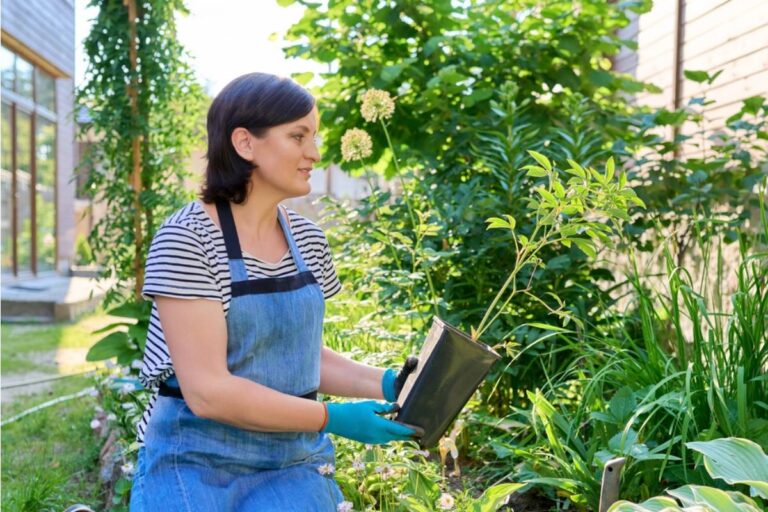
A person shared his story about loving gardening but struggling with one of its biggest expenses: buying plants. While seeds and plant swaps offered some affordable options, getting cuttings and divisions from friends and family had become a particularly useful way to grow a garden without spending too much. The gardener wanted to expand their collection with beautiful plants without constantly reaching for their wallet. What seemed like a simple question about getting free cuttings soon turned into an unexpectedly embarrassing experience.
For many gardeners, growing a beautiful outdoor space is about patience, creativity, and knowing how to turn one little plant into several. A single cutting can eventually become a flourishing shrub, while a divided perennial can fill an empty flower bed. Experienced gardeners often share these extras because they have more plants than they need. However, asking a stranger for a piece of their prized greenery can feel surprisingly intimidating, especially when you are unsure how they will react.
The First Request Went Nothing Like Expected
The gardener decided to take a chance over the weekend while visiting an estate sale. Among the many things happening at the property, the person noticed lilies growing outside and wondered whether it might be possible to obtain a few plants or cuttings. It was their first time asking someone they did not know for a piece of a plant growing in their yard. Unfortunately, the encounter turned into a lesson in how badly a seemingly harmless request can go.
The gardener explained that the person running the sale refused the request, which they understood and respected. Nobody is obligated to give away plants, even if the garden is full of them. The upsetting part was not the refusal itself, but the way the woman reportedly handled it. Instead of simply saying no, she made a remark about the gardener being unable to afford the million-dollar home and suggested they could have all the lilies if they could afford the property.
The Public Remark Made an Awkward Moment Worse
Being turned down can be uncomfortable enough without having an audience for the experience. The gardener had approached the situation hoping to acquire a small piece of greenery, not to start an argument about money or property ownership. Having the request turned into a public jab made the encounter particularly discouraging. What should have been a brief conversation about plants instead became a memory the gardener could not easily shake off.
The experience also highlighted an uncomfortable reality for people who are trying to build gardens on limited budgets. Gardening is often presented as a relaxing hobby, but the cost of plants, soil, containers, and other supplies can quickly add up. For someone trying to create a lush landscape affordably, a free cutting can make a genuine difference. The gardener was not asking for an entire flower bed, yet the response left them questioning whether asking for cuttings was a good idea at all.
The Gardener Was Not Wrong to Ask
After sharing the experience, the gardener received reassurance from people who believed there was nothing inherently inappropriate about asking for a cutting. Gardeners regularly exchange seeds, divide perennials, and share plants that have outgrown their containers or flower beds. For those who enjoy propagation, giving someone a small piece of a healthy plant can be a pleasure rather than a sacrifice. The key is making a respectful request and accepting whatever answer comes back.
A response from a person pointed out that the gardener should not let one unpleasant interaction discourage future attempts. There is no magic combination of words that guarantees someone will agree to share their plants. Some people may be delighted by the request, while others may have personal reasons for declining. The important distinction is that asking politely is not the same as expecting something for free.
Estate Sales May Be the Wrong Place to Start
One detail that emerged from the discussion was that the woman running the estate sale might not have been the homeowner. Estate sales are frequently organized by companies or individuals handling the sale of a property’s contents, and those people may have no authority to give away landscaping plants. Even if the lilies looked abundant, the person managing the event might have been expected to sell everything that could be sold. That possibility offered a practical explanation for why the request was unlikely to succeed.
It did not excuse the reported insult, but it suggested that the setting may have played a bigger role than the gardener realized. Someone managing an estate sale is focused on transactions, not necessarily on sharing gardening advice or dividing plants for a stranger. A friendly neighbor with an established flower bed would probably be a more promising person to approach. The gardener’s first attempt may have been unlucky partly because they asked in a place where giving away plants was never likely to be the priority.
Complimenting a Garden Can Open the Door
Several people suggested starting with a genuine compliment instead of immediately asking for a cutting. A gardener might mention how beautiful a particular flower looks, ask what variety it is, or inquire about how the owner keeps it healthy. These questions create a natural conversation without putting anyone on the spot. They also give the plant owner a chance to share their knowledge and enthusiasm.
Many gardening enthusiasts enjoy talking about the plants they have spent years growing. Someone who is proud of a thriving succulent collection or a spectacular flower border may be thrilled that another person appreciates their work. A conversation about pruning, propagation, or flowering seasons can eventually lead to an offer to share a cutting. Even if nothing is given away, the gardener may leave with useful advice and a new acquaintance.
Asking During Pruning Can Make Things Easier
Another practical suggestion was to look for opportunities when gardeners are already pruning or dividing their plants. Trimming certain plants produces healthy stems that can potentially be propagated, while dividing established perennials can create extra plants for other parts of the garden. Asking at that moment can feel more natural because the owner is already working with the plant. Instead of requesting something they might want to keep, the gardener can ask whether any suitable material is available.
Timing still matters because not every plant responds well to cutting or division at every stage of growth. Some plants propagate easily from stem cuttings, while others require specific methods or seasons. A gardener should avoid assuming that every branch can be removed without affecting the plant. A simple question about whether the plant can be propagated is often a better opening than immediately requesting a piece.
A Friendly Neighbor Could Become a Plant-Sharing Partner
The discussion also showed why relationships matter when it comes to sharing greenery. One person explained that a neighbor had complimented their plumbago before asking whether they could take some for their own yard. The owner agreed, turning a small conversation into an opportunity to help another gardener. The interaction worked because the request came with appreciation and a connection between people who lived near each other.
The same request might feel different when it comes from a complete stranger who appears without any introduction. That does not mean strangers should never ask, but familiarity can make the exchange more comfortable. Neighbors who regularly chat over fences may eventually exchange seedlings, cuttings, seeds, or gardening advice. Over time, a simple compliment about a flower can grow into a friendship that makes both gardens more interesting.
Offering a Trade Can Take Away the Awkwardness
For gardeners who feel uncomfortable asking for something without offering anything in return, plant swapping can be an excellent solution. Someone with extra spider plant babies might exchange them for a few succulent cuttings or a division of a perennial. Even gardeners with small collections can offer seeds, rooted cuttings, or young plants they have propagated themselves. The exchange makes the interaction feel more like a shared hobby than a request for a freebie.
A response from a person suggested that trading can make the process feel more balanced, even when the other gardener would happily give something away. It also creates a reason to continue the conversation and compare growing experiences. Not every swap needs to involve rare plants or expensive varieties. Sometimes a common herb cutting or a small flowering perennial is enough to start a rewarding exchange.
An Overgrown Flower Bed Could Be an Opportunity
Some gardeners have plants that spread so vigorously that they need to divide them to keep their flower beds manageable. Daylilies, irises, and other established perennials can sometimes produce divisions that are suitable for replanting elsewhere. A gardener who notices an overgrown patch might politely ask whether the owner plans to divide it. If the owner is already thinning the bed, they may be happy to let someone take a portion.
One person described leaving a note for the owners of a yard filled with beautiful daylilies. The note explained their appreciation for the flowers and asked whether the owners would allow a small clump to be dug up. The owners later responded positively, demonstrating that a thoughtful request can work even when the people involved have never met. The successful approach offered a sharp contrast to the gardener’s uncomfortable estate-sale encounter.
Plant Swaps Can Stretch a Gardening Budget
Local plant swaps are another way to build a garden without paying nursery prices for every new addition. These gatherings bring together people who have extra seedlings, rooted cuttings, divided perennials, or saved seeds to exchange. Participants can discover varieties they might not otherwise purchase while learning from other gardeners. For someone working with a limited budget, a single event can provide several additions to an expanding collection.
Gardening groups and neighborhood exchanges can also help people find specific plants they have been hoping to grow. Some communities organize informal giveaways, while others hold seasonal sales or swap events. Public libraries and local gardening organizations may also know about seed-sharing programs or community horticulture events. The gardener who was discouraged by one refusal could discover that there are plenty of people who actively enjoy sharing plants.
Free Plants Sometimes Appear in Unexpected Places
Another response from a person suggested looking for local giveaway listings and community groups where gardeners offer surplus plants. People often end up with more seedlings than they have room to grow, especially after starting seeds in spring. Others divide established plants and look for someone who can use the extras. These situations can be ideal for gardeners who want to expand their beds without increasing their spending.
Curbside plant divisions and garden cleanout piles can also provide opportunities, provided the plants are clearly being offered for taking. Permission remains important, particularly when greenery is still growing on private property or sitting outside a business. A fallen leaf or broken stem does not automatically mean someone has permission to take it. The safest approach is to ask the owner or organizer before removing anything, even when the plant appears unwanted.
Not Every Gardener Will Want to Share
Although many people enjoy giving away plants, others prefer to keep their collections private or charge for propagated material. A rare cultivar might have taken years to grow, and even common plants can require considerable time, space, and care. Some gardeners also have limited quantities and cannot afford to give away everything people request. Respecting those boundaries is part of being a considerate member of the gardening community.
A polite refusal does not necessarily mean that the person dislikes the requester or looks down on their budget. They might be protecting a plant that is difficult to propagate, dealing with a busy schedule, or simply not interested in sharing. The best response is to thank them and move on without arguing or demanding an explanation. The gardener’s experience showed how much the delivery of a refusal matters, but it also reinforced that nobody is entitled to another person’s plants.
The Best Request May Be the Simplest One
For someone nervous about asking for a cutting, a short and friendly question can be all that is needed. They might say, “Your flowers are beautiful. Would you ever be willing to share a small cutting if the plant can handle it?” This wording shows appreciation while leaving the decision entirely with the owner. It also avoids making the other person feel responsible for solving the requester’s gardening budget.
Another approach is to ask whether the owner would mind keeping the gardener in mind the next time they prune or divide the plant. That gives them time to decide and avoids putting them on the spot. Offering to exchange a cutting or help with a division can make the request even more appealing. The goal is not to find a phrase that forces a yes, but to make the conversation pleasant regardless of the answer.
One Bad Encounter Did Not Have to End the Search for Plants
The gardener’s experience began with an attempt to obtain a few affordable plants and ended with an embarrassing public remark. Yet the responses revealed that the encounter was far from representative of every gardening interaction. Many people were happy to share their own experiences of giving away cuttings, dividing plants, or welcoming new gardeners into their hobby. Their stories offered a reminder that generosity is common in gardening, even if it is never guaranteed.
Perhaps the biggest twist was that the gardener did not need to give up on the idea of free plants at all. They simply needed a better setting, a more suitable person to approach, or a community where sharing was already part of the culture. A friendly neighbor, a local plant swap, or an overgrown perennial bed could offer a much happier beginning. The next cutting might come with a gardening tip, a new friendship, and a story far more satisfying than the one that started it all.