Homeowner Says She Inherited a Garden So Overrun With Weeds That Even the Soil Looked Hopeless, Then Experienced Gardeners Revealed Why Rushing to Dig Everything Up Could Make Matters Worse
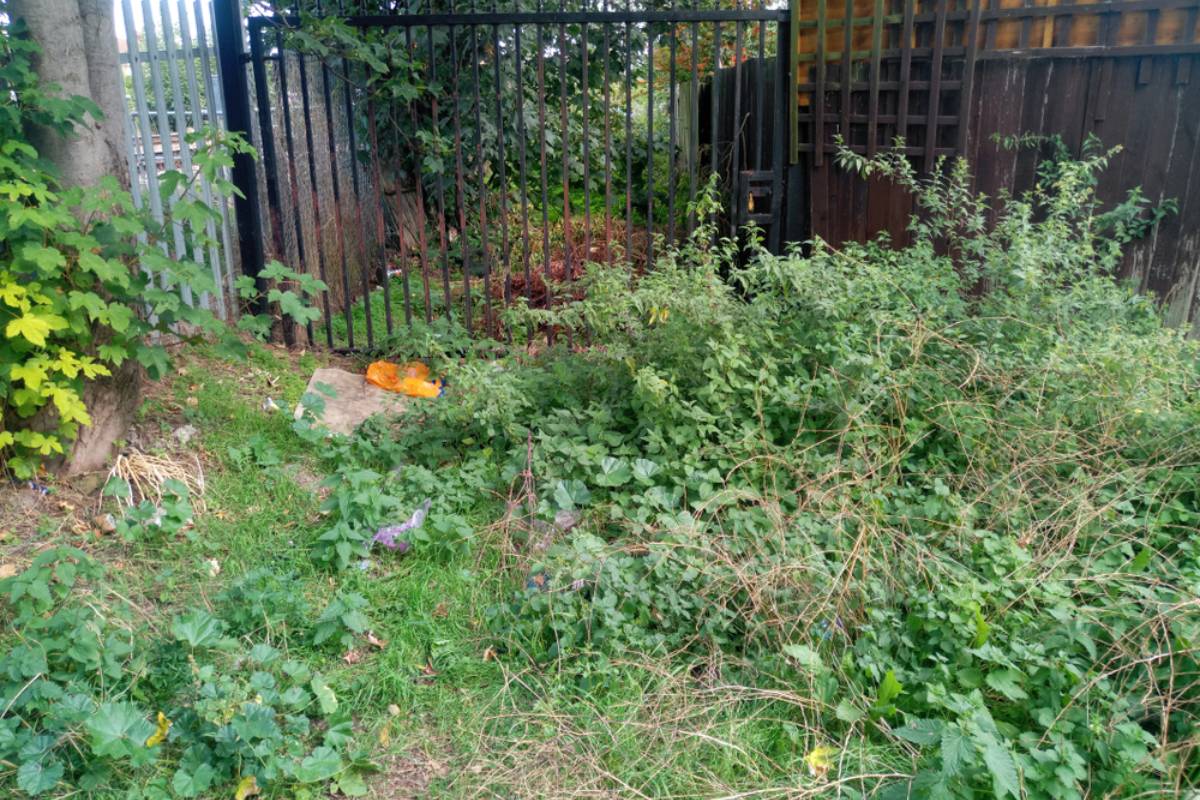
A person shared his story after moving into a property in Cambridgeshire, England, only to discover that the garden was practically a weed kingdom. The house had been abandoned for years, and the outdoor space had been left to nature without anyone stepping in to keep things under control. Instead of a beautiful lawn or welcoming flower beds, the new owners were greeted by a sprawling patch of unwanted greenery.
The situation was especially frustrating because they were eager to make the property their own. They were willing to put in the work themselves, even if transforming the garden took two whole years. Unfortunately, their enthusiasm was competing with a garden that looked as though it had been quietly preparing for a botanical takeover.
Years of Neglect Had Turned the Garden Into a Wild Jungle
The garden had not simply missed a few weekends of mowing or weeding. Years of neglect had allowed unwanted plants to spread across the available ground, leaving the new owners with a daunting cleanup project. With no established garden design to guide them, they faced the challenge of figuring out what to remove before deciding what should eventually grow there.
The problem was made worse by the fact that they knew very little about gardening. They were willing to learn, but the sheer number of weeds made it difficult to know where to begin. What should have been an exciting fresh start had suddenly become a crash course in soil management, weed identification, and patience.
The New Owners Discovered That Some Weeds Were Perennials
At first, the obvious solution seemed simple enough: dig everything out and start again. However, the homeowner had researched the plants and discovered that some were perennial weeds, which can return from roots or other underground structures even after their visible growth has been removed. That discovery immediately made the project more intimidating.
The concern was that digging in the wrong way might spread certain weeds rather than eliminate them. Some persistent weeds can regenerate from small root fragments, meaning an enthusiastic afternoon with a spade could create even more work later. Suddenly, the garden was not just an overgrown patch of land but a puzzle that required a little knowledge before anyone started swinging tools.
The Owners Wanted to Do the Work Themselves
Rather than immediately hiring professionals to clear the entire garden, the homeowners hoped to tackle as much of the work as possible themselves. Their willingness to learn gave them an opportunity to build gardening skills while gradually transforming the outdoor space. They also accepted that the process might take two years, which suggested they were prepared for a long-term project rather than an overnight makeover.
Still, determination could only take them so far without a sensible plan. Clearing a garden of persistent weeds requires more than removing whatever happens to be visible on the surface. The challenge was to find a method that would control the unwanted growth without wasting money or creating an even bigger mess.
The Garden Received Sunshine From Morning Until Evening
One detail made the situation particularly interesting: the garden reportedly received sunshine throughout the entire day. There was no meaningful shade to provide relief from the heat, making the outdoor space a challenging environment during dry weather. While abundant sunlight can be wonderful for many garden plants, it can also make soil dry out quickly.
That meant the owners needed to consider more than the weeds themselves. Any future lawn, flower beds, or ornamental plants would have to cope with the conditions in their particular garden. The sunny setting could eventually become an advantage, but first the homeowners needed to prepare the ground and choose plants suited to the space.
One Response From a Person Suggested Starting Small
A response from a person offered reassuring advice: clearing the garden was not necessarily the hardest part, because preventing the weeds from returning would be the real challenge. Leaving the soil completely bare could simply invite more unwanted plants to establish themselves. Instead, the homeowner was encouraged to develop a plan and tackle the garden in manageable stages.
That approach offered a welcome alternative to trying to conquer the entire space in one exhausting weekend. The owners could clear one section, improve it, and then move on to the next area when they were ready. Rather than viewing the garden as one enormous problem, they could divide it into smaller projects with achievable goals.
Covering the Ground Could Be More Important Than Digging
Another suggestion focused on removing some of the surface growth and using ground cover or a physical barrier to limit future weed growth. One approach involved clearing a small area, planting it up, and applying mulch, while temporarily covering neighboring sections until they were ready for landscaping. This would help prevent every cleared patch from becoming an invitation for new weeds.
The idea was particularly useful because it addressed the problem of bare soil. Simply pulling out the existing weeds would not guarantee that the garden stayed clear, especially if new seeds arrived from nearby areas. A combination of careful removal, ground coverage, and regular maintenance could make the transformation much more manageable.
The Soil Itself Might Need Some Serious Improvement
The garden’s condition raised another concern beyond the weeds. A response from a person observed that the soil appeared stony and suggested that improving its quality should be an important part of the budget. Even if the owners managed to remove the unwanted plants, poor soil could make it harder to establish a healthy lawn or thriving flower beds.
Adding organic matter, such as compost, was suggested as a way to improve the ground over time. The advice also included preparing the soil ahead of spring planting rather than rushing to fill the garden immediately. This meant the homeowners could use the cleanup period productively, laying the groundwork for a healthier garden instead of simply chasing weeds from one season to the next.
Waiting for Rain Could Make the Hard Work Easier
Not every gardening response recommended immediate action. Some people suggested waiting for wetter weather because dry ground can be extremely difficult to dig, especially when persistent weeds have established themselves. Trying to remove deep roots from hard, dry soil could turn a manageable task into an exhausting battle.
Waiting also gave the owners time to observe the garden and prepare their plans. Once the soil became easier to work, they could begin removing weeds more effectively and assess what lay beneath the surface. Sometimes, the smartest gardening decision is not to grab a shovel immediately but to choose the right conditions for using it.
Some Gardeners Recommended Removing Weeds Before They Produced Seeds
Another important piece of advice concerned preventing the existing weeds from spreading further. Gardeners suggested cutting off flowers or seed heads before they could release more seeds into the garden. This would not eliminate established perennial roots, but it could help reduce the number of new weeds appearing later.
Regular attention would be essential because weeds become harder to manage when they are allowed to grow unchecked. Removing small amounts of regrowth frequently could save the homeowners from repeating the same enormous cleanup every few months. The garden might have started as an overwhelming mess, but consistent maintenance could gradually shift the balance in their favor.
Cardboard and Mulch Emerged as Alternative Weapons
Some responses suggested using cardboard or other physical coverings to block light from reaching unwanted plants. One person proposed weighing cardboard down so that weeds beneath it would struggle to survive. The broader principle was to suppress growth while giving the owners time to decide how they wanted to use each section.
Mulch could also help cover exposed soil after unwanted growth had been removed. However, the best approach would depend on the weeds present, since particularly persistent plants might survive or regrow around the edges of a covering. The lesson was that there was no single magic trick guaranteed to fix the entire garden, but several methods could work together.
The Garden Could Eventually Become a Blank Canvas
Amid all the warnings about weeds, some responses offered a more optimistic perspective. One person described the space as an opportunity rather than a disaster, pointing out that the owners had the freedom to develop their own garden design. Unlike someone who inherits an established garden full of plants they must preserve, these homeowners could choose a completely new direction.
They could eventually introduce flower beds, shrubs, lawn areas, or a mixture of different planting styles. The important thing would be to make those decisions before spending money on plants that might not suit the conditions. What initially looked like a hopeless outdoor space could become an exciting project once the owners stopped seeing it only as a weed problem.
Experienced Gardeners Warned Against Leaving Too Much Bare Soil
A response from a person emphasized that tightly planted gardens can make it harder for unwanted weeds to take over available ground. Once suitable plants establish themselves, they occupy space that might otherwise be colonized by opportunistic weeds. Mulching and regular maintenance can provide additional protection while the garden develops.
This did not mean the homeowners should immediately buy enough plants to fill every inch of the property. Planting too quickly could become expensive, particularly if they still needed to improve the soil or deal with persistent roots. A gradual planting plan would allow them to invest in each section as it became ready, instead of spending a fortune before understanding what the garden needed.
A Compost Pile Could Turn Garden Waste Into Something Useful
Another suggestion was to create a small composting area while beginning the cleanup. Garden waste can become a valuable resource when suitable material is composted properly, potentially helping improve the soil later. For new gardeners working with a limited budget, making use of suitable organic material could reduce the need to purchase every soil amendment.
However, they would need to be careful about what went into the compost. Persistent perennial weeds and seed heads can cause problems if they survive the composting process and are later spread around the garden. With a little research and careful handling, composting could become one useful part of the larger transformation rather than another source of unwanted growth.
The Biggest Twist Was That They Did Not Need to Fix Everything Immediately
The most encouraging lesson from the responses was that the homeowners did not have to transform the entire garden at once. They had already accepted that the project could take two years, giving them time to learn about their weeds, improve the soil, and develop a realistic design. Instead of treating that timeline as a failure, they could use it to avoid expensive mistakes.
The garden’s future would depend less on one dramatic afternoon of digging and more on a series of sensible decisions. By clearing manageable sections, preventing weeds from spreading, and covering the ground as they progressed, they could gradually gain control. Their neglected garden might have looked like a disaster when they first arrived, but it also offered something valuable: the chance to build a beautiful outdoor space from the ground up.