A Georgia Gardener Came Home From a Weekend Trip to Find Her Thriving Vegetable Beds Flattened by Deer, Then Realized the Growing Season Was Not Over Yet
A person shared his story after returning home from a weekend camping trip and discovering that the vegetable garden he had been proudly tending was almost unrecognizable. The garden had been thriving, and for weeks he had enjoyed walking outside each day to harvest vegetables for dinner. Then, while he was away for just a couple of nights, a deer apparently wandered in and treated the entire place like an all-you-can-eat buffet.
What made the discovery especially painful was how much effort had gone into the garden. Bush beans had been producing heavily, the okra was ready for harvest, sweet potatoes had filled out their beds, and strawberries were growing beautifully. In the space of one weekend, leaves had vanished, stems had been chewed, and entire plants looked like they had been shaved down by a very hungry visitor.
The Weekend Away Seemed Completely Harmless
The gardener left on Friday expecting to return Sunday afternoon to more of the same peaceful routine. There was no reason to think a short camping trip would change anything, especially since the garden had been doing so well. Everything appeared healthy when he left, and the growing season still had plenty of life left in it.
When he finally came home, however, the first glimpse of the garden told a completely different story. The neat rows of vegetables had become a patchwork of damaged plants and bare stems. It looked less like a productive vegetable garden and more like something had conducted a very determined midnight cleanup.
The Bush Beans Took a Serious Hit
The bush beans had been among the stars of the garden before the weekend disaster. Two beds had been producing wonderfully, giving the gardener plenty of beans to bring into the kitchen. After the deer arrived, those beds were stripped of leaves and beans as though someone had carefully harvested every edible part.
The timing made the damage especially frustrating because beans are usually the kind of crop that rewards regular picking with even more production. The gardener was suddenly staring at beds that had been feeding the household and wondering whether they had any energy left to recover. Instead of gathering another basket for dinner, he was left counting what had disappeared.
The Okra Was Hit the Hardest
The most dramatic damage happened to the okra. The gardener already knew roughly thirty pods would be ready to harvest, so he went outside expecting to collect them and enjoy the latest crop. Instead, he found dozens of plants stripped nearly bare, with leaves, pods, and even stems chewed away.
It was the sort of damage that can make a gardener question whether there is any point in continuing. Okra had been one of the biggest producers in the garden, and suddenly it looked as if the deer had specifically decided to make it their main course. The gardener described this section as the worst part of the entire destruction.
Even the Sweet Potatoes Were Not Spared
The sweet potatoes also suffered a major setback. Their leaves had been stripped away, leaving the beds looking dramatically different from the lush growth that had been there before. At first glance, it seemed like another crop might have been completely ruined.
Yet gardeners know appearances can sometimes be deceiving. A plant can take a brutal hit above ground and still have enough life left in its roots or crown to push out new growth. That possibility became an important reason not to start ripping everything out immediately.
The Strawberries Looked Terrible Too
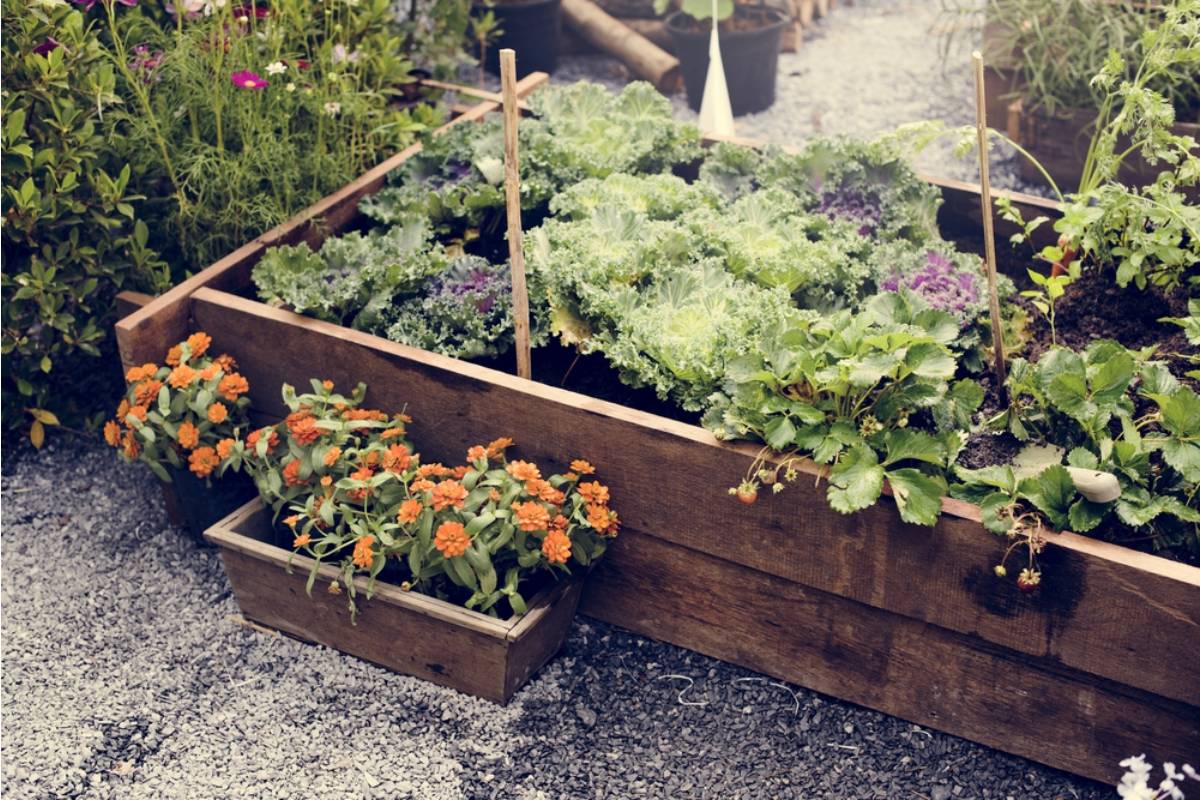
Two large strawberry beds had also been visited by the hungry intruder. Leaves were missing, stems had been chewed, and the once-full beds looked battered. Still, unlike some of the other crops, the strawberries appeared capable of recovering with time.
That small bit of hope mattered because the entire garden had not been erased. Some plants were damaged badly while others remained mostly untouched. The gardener suddenly had a new question to answer, which was whether this was the end of the season or simply a very unpleasant detour.
Then There Was Some Surprisingly Good News
Not every crop had been attacked. The deer had apparently decided that basil, tomatoes, and squash were not worth the trouble. After seeing the destruction elsewhere, finding those plants still standing must have felt almost like discovering survivors after a storm.
That detail also offered a clue about how to rebuild. If certain plants were being ignored, they might become useful parts of a future strategy for protecting more vulnerable crops. The garden had been knocked backward, but it had not been completely defeated.
The Gardener Wondered Whether to Start Over
The obvious question was whether to tear everything out and simply try again the following year. Starting over would mean accepting that the season was finished and focusing instead on preparing better defenses for the next planting. After seeing those bare vegetable beds, that idea probably sounded tempting.
But there was another possibility. Some crops could still recover, and Georgia’s long growing season meant there was still time to produce another harvest. Instead of treating the garden as finished, the gardener started looking at it as a damaged project that might still have a second chapter.
A Response From a Person Offered a Simple Bean Solution
A response from a person pointed out that there was still time for another crop of bush beans. That suggestion changed the mood because it meant the gardener did not necessarily have to wait until the following spring to feel productive again. A second sowing could potentially turn an empty-looking bed into another round of vegetables.
Another gardener explained that they also direct-sowed beans for later plantings. The advice focused on starting from seed rather than trying to transplant beans, giving the damaged garden a practical way to get moving again without waiting months. Suddenly, the deer had not completely stolen the season after all.
Georgia’s Growing Season Became the Plot Twist
One response from a person living in Georgia explained that the growing season could still offer roughly another few months of useful weather. The first frost was expected around early November, depending on the exact location, which meant there was still time for certain quick-growing crops. That information gave the gardener something precious after the initial shock: a reason to keep planting.
Okra and bush beans were specifically mentioned as crops worth considering again because of their productive nature. Even if some of the original plants could not recover, replacing them quickly might still lead to another harvest. The deer had destroyed the first act of the season, but the curtain had not come down yet.
Some Plants Were Tougher Than They Looked
A response from a person also pointed out that sweet potatoes and okra can be remarkably resilient. If their roots and growing points remained healthy, watering and proper care could encourage fresh growth. That meant the gardener did not necessarily have to remove every damaged plant simply because the upper portions looked terrible.
The advice also introduced a valuable gardening lesson about patience. A battered plant is not always a dead plant, and sometimes the best move is to give it a little time before making a final decision. The garden might not return to exactly what it was, but there was still plenty worth saving.
Then the Deer Problem Had to Be Solved
Of course, none of the recovery plans mattered much if the deer could simply return for another meal. Several people stressed that the real solution was some form of physical protection rather than hoping the animals would suddenly lose interest. Tall fencing, sturdy enclosures, and barriers were suggested as ways to make the garden less accessible.
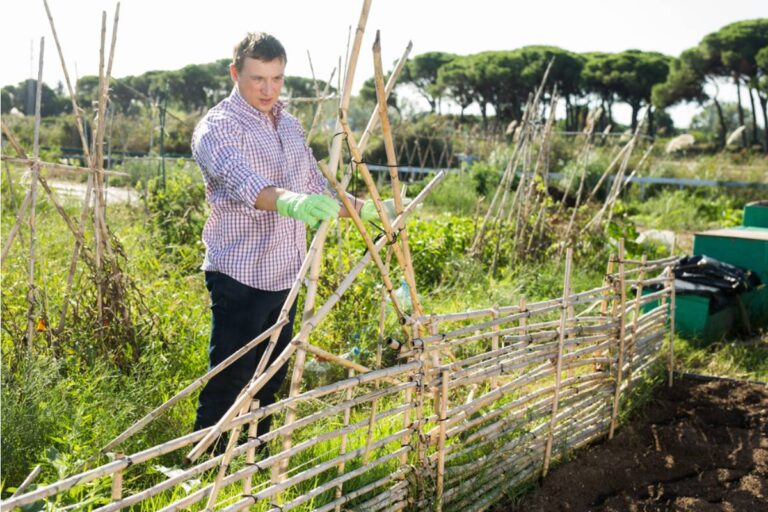
One gardener described building a protective enclosure around vulnerable crops using a simple frame and deer fencing. The approach was practical rather than decorative, but in a garden emergency, beauty can wait while the beans survive. The gardener now had two problems to solve: bring the plants back and convince the deer that dinner had officially moved somewhere else.
Fragrant Plants Became Part of the Defense
Another person shared an interesting strategy involving strongly scented plants. Lavender, rosemary, lemongrass, and similar aromatic plants were described as crops that deer seemed less interested in. The idea was to place less appealing plants around vulnerable vegetables so an animal would have to push through a wall of unfamiliar smells before reaching the food.
One gardener even noticed that cucumbers growing above a rosemary plant appeared to suffer less deer damage. Nobody was claiming that fragrant plants were a guaranteed shield, but the observation gave the discussion an inventive twist. A garden that had once been arranged around sunlight, spacing, and harvests was suddenly being redesigned around the noses of hungry deer.
The Garden Could Become a Fall Garden Instead
There was another unexpected opportunity hiding in the calendar. Instead of spending the rest of the summer mourning what had been lost, the gardener could begin thinking about fall crops. Turnips, carrots, radishes, cabbage, and other cool-weather vegetables could potentially fill spaces left behind by the deer.
That meant the disaster could actually force a change in the garden’s rhythm. The original planting might be gone, but the beds did not have to remain empty. What had started as a devastating weekend surprise was slowly becoming an excuse to experiment with an entirely new round of crops.
The Gardeners Started Sharing Their Own Deer Stories
The responses made one thing clear: this gardener was far from alone. Other people described deer treating their vegetable beds like personal feeding stations, ignoring deterrents one week and destroying everything the next. Some stories were funny, while others sounded painfully familiar to anyone who has watched months of work disappear overnight.
The shared experiences also brought a strange sense of solidarity to the situation. One response joked about deer acting as though they owned the property, while another described dealing with animals that would stroll right up to the house without much concern. The ruined garden had become frustrating, but it had also opened the door to a much larger conversation about surviving hungry wildlife.
The Deer Had Won a Battle, Not the Whole Season
By the end of the story, the garden was undeniably damaged, but it was not beyond hope. Some plants had a chance to recover, some could be replanted, and several new crops could still be started while the weather remained favorable. The gardener had gone from wondering whether everything should be torn out to considering which parts were worth saving and what could replace the rest.
That was the twist hidden inside the disaster. The deer arrived expecting an easy feast and left behind a garden that looked defeated, but they had not actually ended the growing season. With better protection and a few fast-growing replacements, the gardener could still turn those bare beds into another harvest and make sure the next hungry visitor found something much harder to reach.