Homeowner Says Her Neighbor’s Dog Kept Digging Through Her Garden, Then the Owner Called Her Evidence “Harassment”
A person had spent months caring for a vegetable garden in the backyard, patiently watching the plants grow and keeping the beds in good shape. Then, seemingly out of nowhere, parts of the garden began looking as though someone had taken a shovel to them and stomped through the beds.
At first, there was no obvious explanation, but the homeowner happened to have camera footage that could provide an answer. What the footage showed turned a frustrating gardening problem into an awkward neighborhood dispute.
Months of Work Went Into the Garden
The vegetable garden wasn’t something the homeowner had thrown together over a weekend. It had taken months of watering, planting, weeding, and general care to get everything growing properly. For anyone who has maintained a garden, seeing healthy plants suddenly damaged can be surprisingly upsetting. The homeowner wasn’t simply looking at a few messy patches of dirt, but at the result of hours of work being disturbed.
The damage appeared in several sections of the garden, with plants trampled and soil dug up. There wasn’t an obvious person to blame, and the homeowner initially had to figure out what could have caused it. Animals were certainly a possibility, especially because the backyard bordered a neighborhood where pets sometimes wandered around. Fortunately, there was one useful piece of technology nearby that could settle the mystery.
The Camera Had an Unexpected Answer
The homeowner had a doorbell camera, and although it wasn’t installed specifically to monitor the vegetable garden, its footage turned out to be extremely useful. After noticing that a neighbor’s dog had occasionally been allowed to run freely around the neighborhood, the homeowner decided to review the recordings. The search didn’t take long to produce something interesting. The camera captured the dog getting through the fence and entering the garden area.
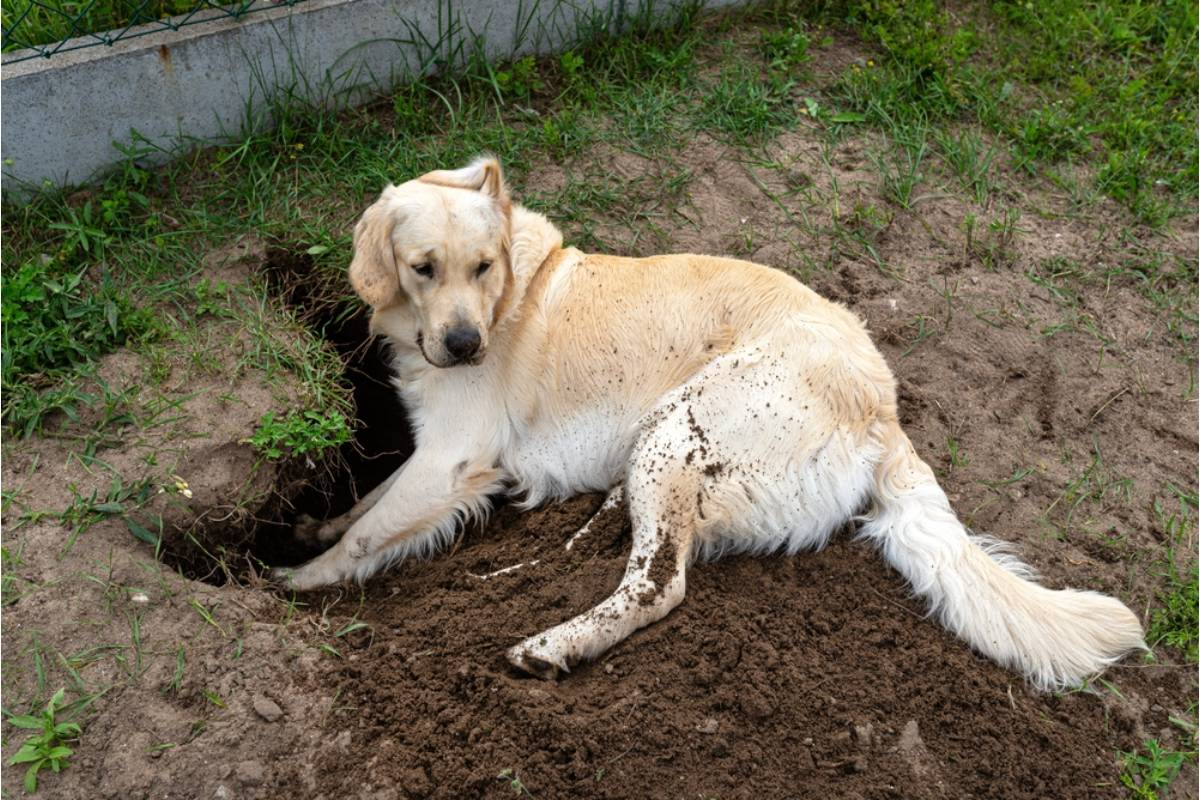
The footage showed the dog running through the yard and digging around the garden beds. Suddenly, the unexplained damage had a fairly straightforward explanation. Instead of guessing which animal might have caused the mess, the homeowner now had a recording showing exactly what had happened. The next step seemed simple: talk to the dog’s owner and ask her to keep the animal under control.
The Conversation Started Calmly
Rather than immediately filing a complaint or confronting the neighbor in an angry way, the homeowner went to her house. The homeowner brought along the footage and explained that the dog had been getting into the garden. The request was fairly basic: please keep the dog from wandering into the yard and damaging the vegetables. From the homeowner’s perspective, it seemed like the kind of problem neighbors should be able to solve with one conversation.
There was apparently no demand for an elaborate apology or dramatic confrontation. The homeowner simply wanted the dog kept away from the garden in the future. The camera footage was presented as evidence of what had already happened, not as an attempt to embarrass the neighbor. But instead of accepting the explanation, the neighbor reportedly reacted much more strongly than expected.
The Neighbor Didn’t Appreciate the Evidence
According to the person who shared the story, the neighbor became aggressive during the conversation. She reportedly claimed the homeowner was accusing her dog of damaging the garden without evidence. That argument would have been difficult to understand under normal circumstances, because the homeowner had specifically brought footage showing the dog in the garden. The camera had effectively become the witness neither neighbor had expected to need.
The homeowner was left confused by the reaction. The footage wasn’t based on hearsay from another neighbor or a guess about which animal had caused the damage. It showed the dog entering the area and digging around. Instead of ending the dispute, however, the video seemed to make the situation more complicated.
A Simple Garden Problem Became a Neighborhood Story
The disagreement apparently didn’t stay between the two homeowners. The neighbor began telling other people nearby that she was being harassed because the homeowner had sent or shown her a video concerning the damaged vegetables. Suddenly, a dispute that had started with a dog digging through a garden had become a neighborhood talking point. The homeowner now had to deal with not only the damaged plants but also accusations about how the issue had been handled.
That twist made the situation especially frustrating. The homeowner hadn’t gone door to door distributing embarrassing footage or publicly shaming the neighbor. The footage had been shown to the person whose dog appeared in it. Yet somehow, the conversation had transformed into a claim that the homeowner was causing trouble.
The Homeowner Wanted Nothing More Than Peace
The person who shared the story made it clear that the goal wasn’t to start a neighborhood feud. They wanted to grow vegetables without finding their garden destroyed every few days. They also hoped the issue could be resolved without involving outside authorities or turning the street against anyone. In other words, the homeowner seemed to be looking for the least dramatic solution available.
That made the neighbor’s reaction feel particularly disproportionate from the homeowner’s perspective. A request to control a wandering dog isn’t exactly an unusual demand, especially when the animal has already caused damage to someone’s property. The camera footage simply made the conversation more concrete. Instead of arguing over whether the dog had done it, both parties could see what had happened.
Other People Quickly Took the Homeowner’s Side
Responses from people who heard the story overwhelmingly supported the homeowner. One response from a person said the homeowner had simply asked the neighbor to control her dog and had provided evidence to explain why. From that perspective, the homeowner wasn’t harassing anyone at all. The response suggested that the neighbor was responsible for managing her pet and preventing it from wandering onto someone else’s property.
Another response from a person suggested involving animal control if the behavior continued. That advice reflected a growing theme among the responses: the homeowner had already tried the polite approach, so there was little reason to keep repeating the same conversation indefinitely. If the dog continued getting into the garden, formal channels could provide a clearer solution. The goal would be to stop the trespassing, not escalate the personal dispute.
Some People Thought the Neighbor Was Missing the Point
Several responses focused on the same strange detail: the neighbor apparently objected to the homeowner’s accusation even though there was camera footage. One response from a person pointed out that the homeowner wasn’t responsible for how the neighbor chose to interpret the evidence. Another suggested that reasonable neighbors would understand why someone wanted a pet kept away from their garden.
The broader issue was responsibility. Dogs can be friendly, curious, and energetic, but that doesn’t give them unlimited access to other people’s property. A neighbor’s garden is still someone else’s property, and repeated damage can become more than a minor inconvenience. The responses generally viewed keeping the dog contained as the owner’s responsibility rather than the gardener’s.
The Camera Footage Became the Most Important Detail
Without the camera footage, the homeowner might have had a much harder time proving what happened. The damaged plants could have been caused by another animal, bad weather, or some other unexpected event. Instead, the recording provided a direct connection between the wandering dog and the damaged garden. That changed the conversation from speculation into something much more concrete.
One response from a person recommended saving future footage if the dog returned. That could become particularly useful if the problem turned into a repeated pattern. Rather than arguing from memory each time something happened, the homeowner could keep a record of the incidents. In neighborhood disputes, documentation can sometimes be far more useful than another heated conversation.
One Response Suggested Calculating the Damage
Another response from a person took the situation a step further and suggested asking the neighbor to cover the damage. That could include the cost of replacing plants and supplies, along with the time and effort required to restore the garden. Gardening can involve considerably more work than simply buying a few vegetables from a store. Once plants have been damaged, some of the lost effort cannot easily be replaced.
Still, the homeowner did not appear eager to turn the incident into a financial battle. The original request had been focused on preventing the problem from happening again. That made the suggestion more of a possible next step than the homeowner’s immediate plan. If the dog stayed away, there would be little reason to take the dispute any further.
A Bigger Problem Could Be the Dog Roaming Freely
Several responses raised concerns about the dog being allowed to wander around the neighborhood in the first place. A pet roaming freely can create problems beyond a damaged garden, including traffic risks, conflicts with other animals, and repeated trespassing. Even if the dog itself is friendly, other people may not be comfortable having an unfamiliar animal enter their yards. Responsible pet ownership generally requires knowing where the animal is and keeping it from becoming someone else’s problem.
One response from a person suggested checking local rules concerning nuisance animals and property damage. Another mentioned that formal complaints could be appropriate if the dog returned. The advice wasn’t necessarily about punishing the dog or creating conflict with the neighbor. Instead, it was about having a clear process available if informal efforts failed.
One Person Shared a Story About a Similar Problem
A response from a person shared a remarkably similar experience involving a neighbor’s pet and repeated property damage. In that case, previous polite requests had apparently accomplished very little, but photographic evidence combined with information about local rules finally got the neighbor’s attention. The person explained that documenting the problem made it much harder for the other homeowner to deny what was happening. After years of frustration, the situation eventually improved.
That story gave the garden owner another possible lesson. Sometimes a calm conversation works because both people genuinely want the problem solved. Other times, documentation and knowledge of local rules become necessary because the other person refuses to acknowledge the issue. The important distinction is that evidence can keep a disagreement focused on what actually happened rather than on competing versions of the story.
The Homeowner Decided to Keep the Footage
After hearing the responses, the homeowner indicated that future footage would be saved if the dog returned. Hopefully, there wouldn’t be another incident, because nobody wants to spend their free time collecting evidence of a neighbor’s pet. The homeowner’s preference was much simpler: keep the garden intact and return to enjoying a peaceful street. That seemed like a reasonable ending to what should have been a fairly ordinary neighbor conversation.
But the camera had already changed the dynamic. If the dog wandered into the garden again, there would be a record of it rather than another guessing game. The homeowner wouldn’t need to rely on accusations, rumors, or memory. The footage could simply speak for itself.
The Real Twist Wasn’t the Dog
At first glance, the story seemed to be about a dog destroying a vegetable garden. The unexpected twist was that the homeowner’s biggest problem wasn’t actually the dog at all, but the reaction of the person responsible for it. What could have ended with a simple apology and a promise to keep the dog contained instead became a dispute involving other neighbors. The garden damage was frustrating, but the neighborhood drama created by the confrontation was arguably even more exhausting.
In the end, the responses largely agreed that showing the footage was a reasonable thing to do. The homeowner had evidence, approached the neighbor directly, and asked for the behavior to stop. There was no need to turn a damaged garden into a feud, but there was also little reason for the homeowner to simply accept repeated damage. Sometimes the most complicated neighborhood disputes begin with something as ordinary as a dog, a fence, and a few ruined vegetables.