A Homeowner Says a New Neighbor Hired a Tree Company to Clear the Property Line, Then Workers Started Cutting Down His Young Trees Before Anyone Realized They Were on the Wrong Side
A person shared his story about a surprising encounter with a new neighbor whose plans for the surrounding property quickly turned into a problem. The neighbor, who had purchased a home on a nearby side street, hired a tree company to clear vegetation along the boundary between their properties. What seemed like an ordinary landscaping project soon became something much more concerning when the workers started cutting trees that did not belong to their client.
The homeowner explained that the affected land was part of his property, which extended across several acres and was important to him for more than its appearance. He wanted to preserve the wooded landscape rather than turn it into another cleared patch of ground. Unfortunately, the new neighbor’s landscaping plans appeared to have overlooked one rather important detail: where one property ended and the other began.
The Tree Company Started Clearing the Wrong Side of the Boundary
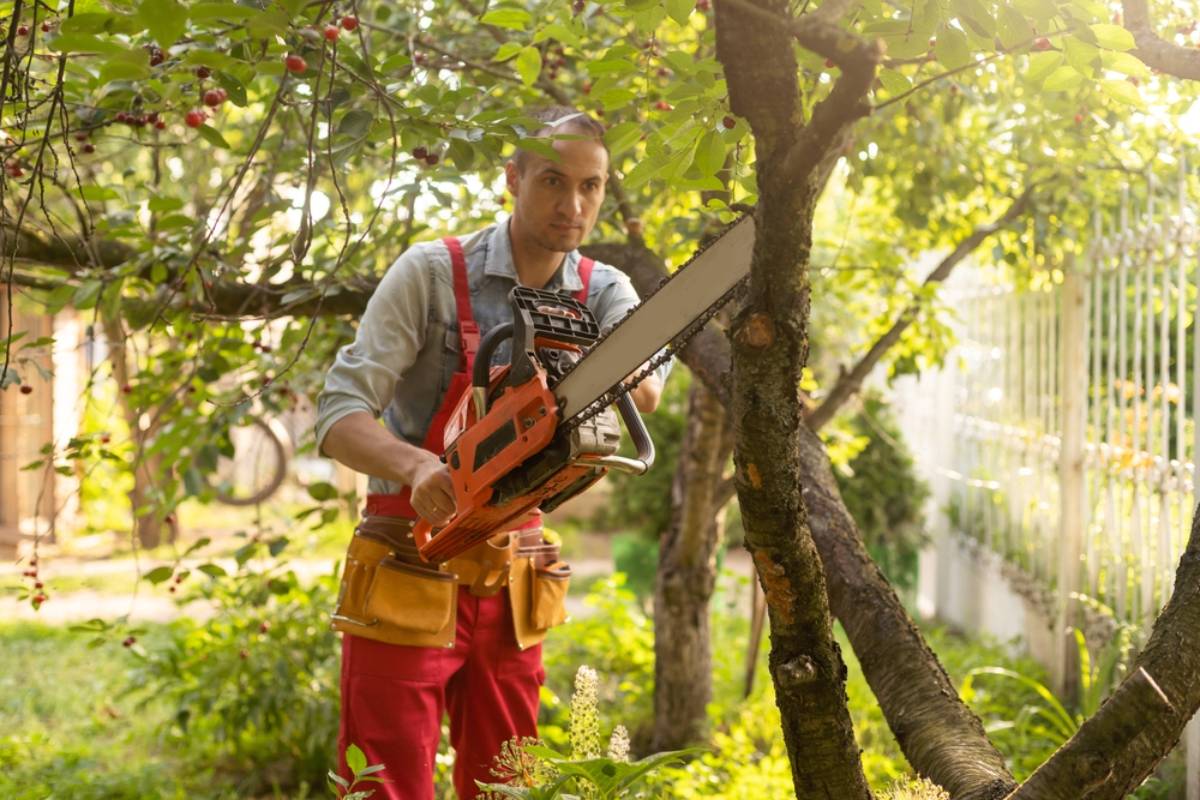
At first, the situation might have looked like a routine day of yard maintenance, with workers arriving equipped to remove unwanted growth. But the homeowner soon realized that the crew was cutting vegetation along his side of the property line. Several young trees, known as saplings, had already been cut before he managed to intervene.
Although no major trees had been felled, the damage was enough to leave the homeowner frustrated and looking for answers. Those young trees were part of the landscape he intended to maintain for years to come. A landscaping project that should have been confined to one property had suddenly become a dispute involving someone else’s land.
The Homeowner Managed to Stop the Crew Before Things Got Worse
There was at least one small victory in the middle of the mess: the homeowner stopped the workers before they cut down any of the larger trees. That intervention likely prevented the situation from becoming significantly more serious, especially given the value that established trees can add to a property. Still, the saplings that had already been cut could not simply be put back into the ground.
For someone who values a wooded property, even relatively small trees can have a purpose beyond filling empty space. Young growth helps maintain the character of the land and can eventually contribute to shade, shelter, and wildlife habitat. The homeowner had managed to save the larger trees, but he was left wondering whether the damage that had already occurred could be addressed.
The Property Was More Than Just an Overgrown Patch of Land
The homeowner explained that he and his household owned at least two acres of land, with the affected area helping maintain the property’s wooded character. This was not simply an attempt to keep a perfectly manicured lawn looking tidy. The trees and surrounding vegetation were part of a landscape he wanted to preserve rather than clear away.
That distinction mattered because the neighbor’s plans apparently treated the boundary vegetation as something that needed removing, while the homeowner saw it as something worth protecting. A patch of young trees might not look particularly valuable to someone focused on immediate landscaping results. To someone planning for the future of a wooded property, however, those same trees could represent years of growth and a healthier natural environment.
The Homeowner Wanted to Keep the Land Attractive to Wildlife
One important detail made the situation more frustrating: the homeowner used the property for hunting and wanted to keep the land wooded so deer would continue visiting the area. Removing young trees might seem insignificant when viewed individually, but preserving vegetation can matter when maintaining a larger habitat. The homeowner was concerned about protecting the character of the land he had invested in.
Trees and shrubs provide food, cover, and shelter for many forms of wildlife, although the benefits depend on the species and surrounding habitat. Clearing too much vegetation can change the way animals use an area, particularly when the remaining woodland is fragmented. For the homeowner, protecting the trees was not merely about appearance or property value; it was also about maintaining a landscape he enjoyed using.
The Bigger Question Was Why Nobody Checked the Property Line
Perhaps the most bewildering part of the story was how the cutting began without an apparent agreement about the boundary. The neighbor had hired professionals to perform the work, yet some of the trees they removed were on land belonging to someone else. Before operating chainsaws near a property boundary, confirming exactly where the work is authorized should be a basic precaution.
Property lines are not always obvious from the ground, especially on larger lots where fences and other clear markers may be absent. A row of trees can look like a natural dividing line without actually matching the legal boundary. That is precisely why property surveys, boundary markers, and clear instructions are so important before any substantial clearing begins.
A Response From a Person Suggested Starting With a Conversation
A response from a person offered a practical approach that did not involve immediately turning the disagreement into a major legal battle. The suggestion was to contact the neighbor, explain what had happened, and make it clear that future work must remain within the correct property boundaries. This would establish expectations before another crew arrived to remove more vegetation.
That approach also leaves room for the possibility that the neighbor never intended to cause trouble. New property owners can make mistakes, and contractors can misunderstand instructions or boundaries. A calm but firm conversation could prevent the same problem from happening again without creating an unnecessarily hostile relationship between people who may have to share the area for years.
Another Person Pointed Out That Tree Damage Can Have Legal Consequences
Not everyone viewed the situation as something that should be settled with a friendly conversation alone. A response from a person explained that Ohio law can provide remedies when someone recklessly damages or destroys trees growing on another person’s land. Ohio Revised Code Section 901.51 addresses certain unauthorized injuries to trees, shrubs, and other woody plants and can allow treble damages when its legal requirements are met.
However, that does not automatically mean every cut sapling will lead to a substantial payment. The circumstances, the nature of the damage, the applicable legal standard, and the evidence available all matter. The homeowner would need to establish what happened and determine whether the facts support a claim under the relevant law.
The Value of a Tree Is Not Always About Its Lumber
One response raised an important point about how damaged trees may be valued. It is easy to assume that a small sapling is worth only the few dollars it might cost to purchase a replacement at a nursery. But depending on the circumstances, an assessment of tree damage can involve more than the market value of the wood itself.
Factors such as the cost of replacement, installation, and restoring the affected landscape may be relevant to a valuation. The appropriate method depends on the type of tree, the extent of the injury, and the applicable legal rules. Even so, the homeowner should not assume that every potential expense will automatically be recoverable simply because a tree was cut without permission.
Some People Thought the Contractor Should Answer for the Mistake
The neighbor had arranged for the tree company to carry out the clearing, but that raised another question: who was responsible for ensuring the crew stayed on the correct side of the boundary? A response from a person suggested contacting the company directly and asking why its workers had cut vegetation on someone else’s property. The contractor’s role deserved attention alongside the neighbor’s decision to hire the crew.
Professional tree services should take property boundaries seriously, particularly when working close to adjoining land. A mistake involving a chainsaw can have consequences that extend beyond an ordinary landscaping mishap. The homeowner could document the damage, ask the company for an explanation, and preserve any relevant information before deciding how to proceed.
The Homeowner Was More Interested in Protecting the Boundary Than Starting a Feud
Despite the frustration, the homeowner’s main concern was not simply getting even with the neighbor. He wanted to protect his land and ensure that the same thing did not happen again. Because the properties were relatively large and the neighboring house was on a different street, the two households were not likely to encounter each other constantly.
That distance could make a prolonged argument easier to avoid, but it did not remove the need for clear boundaries. The homeowner wanted the neighbor and the contractor to understand that the land was private and that further cutting would not be acceptable without permission. Preventing a repeat incident could ultimately be more valuable than spending months arguing about a handful of young trees.
Photographs and Property Records Could Help Establish What Happened
When a property dispute involves damaged trees, documentation can make a considerable difference. Photographs taken before and after the clearing, pictures of the remaining stumps, and records showing the property’s boundaries could help establish the extent of the damage. The homeowner could also write down when the cutting occurred and preserve any communication with the neighbor or tree company.
A current property survey or reliable boundary documentation could be particularly useful if the location of the trees is disputed. It would help distinguish between vegetation growing entirely on one person’s land and trees situated directly on a shared boundary. Rather than relying on assumptions about where the line runs, the homeowner would have a clearer basis for explaining exactly what went wrong.
Replanting the Saplings Might Be Possible, but Prevention Still Matters
Replacing the damaged saplings could help restore some of the vegetation, depending on the species and the number of trees involved. A local nursery or qualified arborist could recommend suitable replacements that fit the existing woodland and growing conditions. Replanting would not instantly recreate the landscape, but it could be a practical part of repairing the damage.
Still, replacing trees would only address part of the problem if the boundary remained unclear. The homeowner would also want to ensure that the neighbor and any future contractors understood where their authority to clear vegetation ended. Otherwise, newly planted trees could face the same risk the next time someone decided the property line needed a little landscaping attention.
The Dispute Raised a Bigger Lesson About Respecting Property Boundaries
The story illustrates how an ordinary landscaping job can become a serious disagreement when nobody verifies the area being cleared. A new homeowner might have a perfectly reasonable desire to tidy up a property, but that does not grant permission to remove vegetation from the land next door. Even seemingly minor work deserves careful planning when it approaches a boundary.
For gardeners and homeowners, the lesson is simple: never assume that a tree or shrub belongs to the person who wants it removed. If a boundary is uncertain, it is better to pause the work and verify the facts than to risk damaging someone else’s property. A few minutes spent checking a survey can prevent a much longer dispute over what was cut, who authorized it, and who should pay to repair the damage.
The Young Trees Were a Warning Before the Larger Ones Came Down
In the end, the homeowner had managed to stop the crew before any major trees were cut, but the incident left him with an uncomfortable question about what might happen next. The new neighbor’s clearing project had already crossed a boundary, at least in terms of the damage reported, and the homeowner wanted to make sure the mistake did not become a pattern. The remaining trees were worth protecting before another landscaping crew arrived.
What began as a few cut saplings became a reminder that a property’s value can extend well beyond its buildings and open space. Trees can provide wildlife habitat, preserve privacy, and give a landscape its character, all while taking years to mature. Sometimes the most important step in protecting a garden or wooded property is not planting something new, but making sure nobody removes what was already growing there.