A Plant Lover Spotted a Stunning Pothos Climbing Through a Shopping Mall and Wanted to Take a Cutting Home, Until Other Plant Enthusiasts Explained Why That Tiny Snip Could Cross a Much Bigger Line
Houseplant lovers know the feeling of spotting a plant so beautiful that they immediately imagine where it would fit in their own home. A lush pothos with long, cascading vines can turn an ordinary corner into a miniature indoor jungle, especially when its leaves climb around a railing. For one plant enthusiast, a spectacular pothos growing inside a shopping mall sparked an irresistible temptation. However, instead of simply admiring the greenery, the person began wondering whether taking a small cutting would actually be acceptable.
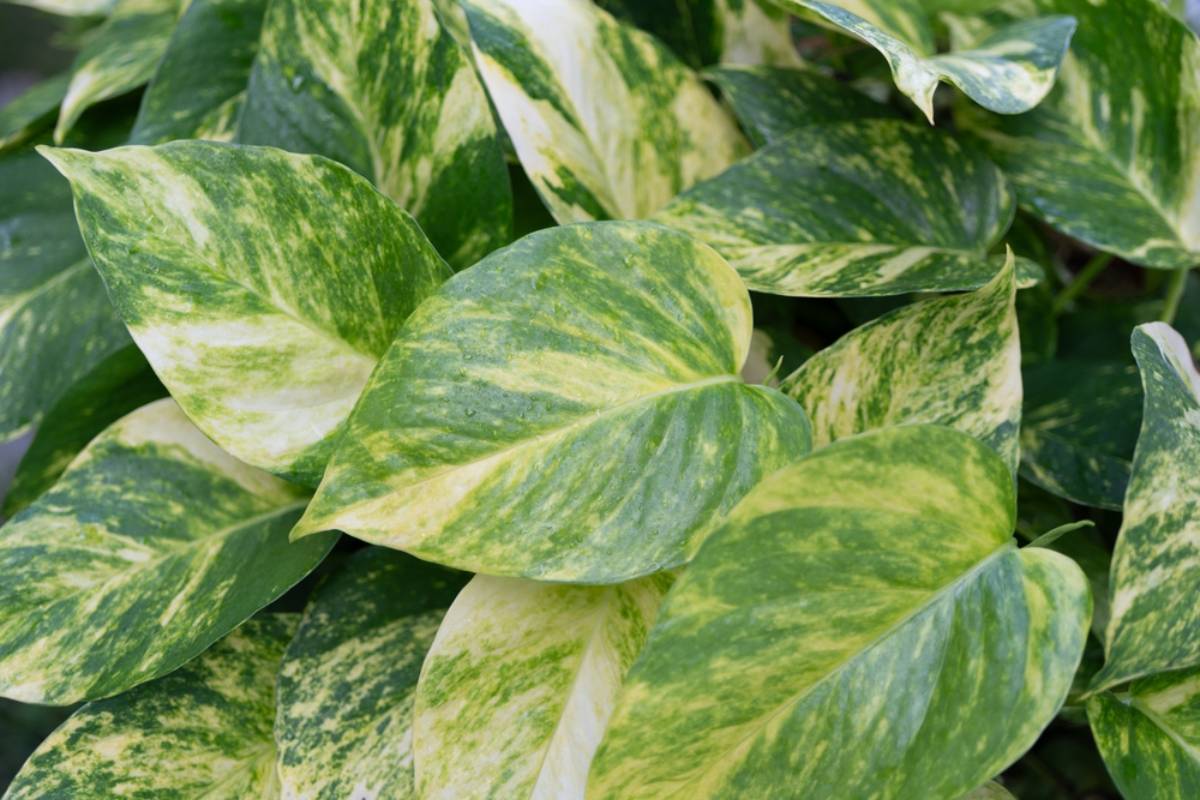
The plant was already thriving, with vines that made it look like something straight out of a houseplant enthusiast’s dream collection. Since pothos plants are famous for their ability to grow from cuttings, bringing home a small piece seemed like an easy way to start a new plant. There was just one problem: the plant did not belong to the person admiring it. That tiny detail turned an innocent gardening fantasy into a surprisingly complicated question about permission, ownership, and the ethics of propagation.
A Tiny Cutting Could Become an Entire New Houseplant
Anyone who has propagated pothos knows how exciting it can be to watch a little piece of stem develop roots in water. With the right cutting, a healthy node, and a bit of patience, a single vine can eventually become a flourishing new plant. It is one reason pothos remains a favorite among beginners who want to expand their collections without spending much money. Naturally, the idea of obtaining a cutting from an enormous plant can feel almost too tempting to resist.
The person shared his story while wondering whether taking a small piece from the mall’s impressive pothos would be socially acceptable. The plant was not being offered for sale, and there was no obvious owner standing nearby to ask. That left the aspiring plant parent caught between excitement and uncertainty. What seemed like a harmless gardening shortcut suddenly raised the question of whether a plant’s ability to regrow made it any less important to respect its ownership.
The Shopping Mall Made the Situation More Complicated
Taking a cutting from a friend’s houseplant is one thing, but encountering a plant inside a shopping mall creates a different set of circumstances. The greenery might look like a decorative feature that everyone can enjoy, yet someone still chose it, purchased it, and arranged for it to be maintained. Even if the plant appears unattended, that does not mean it is abandoned or available for anyone to take home. The mystery surrounding its care only makes the decision more complicated.
Unlike a plant growing wild beside a public walking trail, this pothos was part of a managed indoor environment. Mall employees, cleaning crews, or maintenance workers might be responsible for keeping it healthy, even if visitors rarely see them tending it. Removing a vine without permission could therefore interfere with someone else’s work or property. The person had found a beautiful plant, but the discovery did not automatically create an invitation to propagate it.
Plant Lovers Were Divided Over the Temptation
A response from a person suggested that taking the cutting without permission would cross an ethical line, even if the plant was large enough to recover easily. Others recognized the temptation, admitting that the urge to propagate an impressive plant can be difficult to ignore. For people who enjoy gardening, a free cutting can feel like a wonderful opportunity to grow something new. Still, enthusiasm for plants does not necessarily settle the question of whether taking one is appropriate.
Some plant enthusiasts pointed out that the rules become clearer when the person simply asks first. A maintenance worker might know who manages the greenery and whether small cuttings are available. Another person might even be delighted to share a piece of a plant that needs occasional pruning. The surprising lesson was that the difference between a questionable act and a perfectly friendly gardening exchange could be nothing more than one polite conversation.
The Word “Just” Can Make Plant Theft Sound Harmless
One of the biggest complications in plant propagation is how easily people can minimize the act of removing a cutting. A person might think that taking one small stem from a plant with dozens of vines could hardly make a difference. After all, a healthy pothos can recover from pruning and produce plenty of new growth under suitable conditions. However, the plant’s ability to survive a cut does not automatically give a stranger permission to make one.
Imagine walking into work and discovering that someone had removed a piece of your favorite houseplant because they assumed you would never notice. The missing vine might not kill the plant, but the decision would still feel intrusive. The same principle applies to greenery maintained by businesses and public institutions. A cutting can be biologically insignificant while still representing a boundary that someone has chosen to ignore.
The Mall’s Plant Might Have a Hidden Caretaker
The absence of an obvious gardener can make a large indoor plant seem almost ownerless. Visitors might walk past the pothos every day without ever seeing anyone water it, trim its vines, or check its leaves. Yet plants in commercial buildings often receive care from employees whose responsibilities happen behind the scenes. The fact that nobody appears to be watching does not mean nobody is looking after the greenery.
One response from a person suggested approaching the people responsible for maintaining the mall rather than assuming nobody would mind. A facilities or operations employee might be able to identify the person in charge of the plant displays. Even if the first employee approached does not know the answer, they may be able to direct the question to the appropriate person. Suddenly, the mystery becomes less about sneaking away with a cutting and more about finding the right person to ask.
A Simple Question Could Turn the Situation Into a Win
Asking permission might seem awkward, particularly when the request involves something as small as a piece of vine. However, plant enthusiasts often enjoy talking about their collections, and a caretaker may appreciate meeting someone who genuinely admires the greenery. A polite question also gives the person responsible for the plant a chance to explain any rules about trimming or propagation. What begins as an uncomfortable request could become a pleasant conversation about houseplants.
The answer might be yes, no, or a suggestion to contact someone else. If permission is granted, the aspiring gardener can take an approved cutting without worrying about whether the plant was damaged or the rules were broken. If the answer is no, the person can still enjoy the original plant without creating an unnecessary conflict. In gardening, patience is useful for growing roots, and it can be just as valuable when asking for them.
Some Plant Enthusiasts Have a Long History of Sharing Cuttings
Plant propagation has traditionally been one of the easiest ways for gardeners to exchange greenery. Friends trade rooted stems, neighbors divide perennials, and families pass treasured plants from one generation to another. A single houseplant can travel through several homes as people share pieces of it, sometimes preserving a plant that has sentimental value. These exchanges make gardening feel less like a hobby centered on purchases and more like a community built around living things.
That generous tradition helps explain why the mall pothos was so tempting. A person who regularly receives cuttings from friends may begin to see a small piece of greenery as something that can easily be shared. However, the custom depends on a crucial distinction: sharing involves cooperation, while taking without permission removes the other person’s choice. The most enjoyable plant exchanges are those in which both sides are happy to participate.
What About Leaves or Stems That Have Already Fallen Off?
A different question arises when a piece of a plant has already fallen onto the floor. Some plant lovers enjoy rescuing fallen leaves or broken stems that might otherwise end up in the trash. With certain species, even a seemingly insignificant piece of plant material can become the beginning of a new growing project. It is understandable that someone who enjoys propagation might see an opportunity rather than waste.
Nevertheless, a fallen cutting inside a shopping mall is not necessarily free for the taking. It might have been dropped during maintenance, set aside for propagation, or left temporarily while someone cleaned the surrounding area. Asking an employee before taking it removes much of that uncertainty. A discarded-looking piece of greenery can be an excellent propagation project, but confirming that it is genuinely available is the safer approach.
The Ethics Change When Plants Grow in Public Spaces
The discussion becomes even more complicated when a plant grows outdoors in a public space rather than inside a commercial building. Some gardeners believe that taking a small cutting from an abundant plant beside a public path can be reasonable, particularly if routine maintenance would remove the growth anyway. Others argue that public access does not necessarily mean people have permission to remove living material. The rules can also vary depending on the location, the landowner, and the type of plant involved.
For example, a sprawling vine growing beside a neglected path may appear very different from a carefully maintained specimen in a landscaped shopping center. Even so, appearances alone cannot establish who owns the plant or whether removing a piece is allowed. Protected plants, restricted grounds, and local regulations can introduce additional complications. A thoughtful gardener considers both the condition of the plant and the circumstances surrounding it before reaching for the pruning scissors.
The “Free Plant” Mindset Can Have Unintended Consequences
One of the strongest arguments against unauthorized cuttings is what might happen if everyone followed the same reasoning. A single person removing a small piece from a huge pothos might seem harmless, especially if the plant grows quickly. But if hundreds of visitors made the same decision, the cumulative damage could become noticeable. The attractive display that inspired everyone to take a cutting might eventually become a collection of damaged stems and uneven growth.
This is sometimes described as a collective-action problem, where individually minor decisions can create a much larger issue when repeated by many people. A plant does not need to be rare or expensive for its caretaker to have a legitimate interest in keeping it healthy. The same logic applies to public gardens, landscaped entrances, and community green spaces. Respecting a plant means considering not only what one person can take but also what might happen if everybody did the same thing.
A Beautiful Plant Does Not Have to Be an Expensive Plant
The temptation to take cuttings can become especially strong when houseplants are costly or difficult to find. Pothos, however, is widely propagated and available through many garden centers, plant shops, and fellow enthusiasts. A small rooted plant can often provide the same satisfaction as a cutting taken from an impressive display. For someone trying to build a collection on a budget, there are plenty of ways to find greenery without risking an uncomfortable encounter.
Plant swaps are one option, allowing people to exchange cuttings from plants they already own. Local gardening groups may also have members willing to give away extra pothos vines, spider plant babies, or other easy-to-propagate species. Friends and relatives can become valuable sources of new plants when everyone agrees to share. Sometimes the best bargain is the one that comes with a friendly conversation instead of a guilty conscience.
Propagation Is Easier When Everyone Knows the Rules
For beginners, learning how to propagate a plant is only one part of becoming a responsible plant owner. It is also helpful to understand where plant material comes from and whether it is appropriate to collect it. Healthy pothos cuttings generally need a suitable node, clean cutting tools, and the right conditions to develop roots. But no amount of horticultural skill can replace permission when the original plant belongs to someone else.
Gardeners can make the process simpler by asking before cutting, using clean tools, and taking only the amount that has been approved. If a caretaker offers a stem, it is worth checking whether the plant is healthy and whether the cutting can be removed without compromising its appearance. These small precautions protect the parent plant while giving the new cutting a better chance of success. Ethical propagation is not about making gardening unnecessarily complicated; it is about ensuring that the joy of growing something new does not come at someone else’s expense.
The Real Twist Is That the Best Cutting Might Be the One You Ask For
The mall pothos presented a familiar dilemma for anyone who loves houseplants: a gorgeous specimen, an easy propagation opportunity, and the temptation to take a little piece home. The person who shared his story was not struggling with whether pothos could grow from a cutting, but with whether taking one without permission would be acceptable. Responses from other plant enthusiasts revealed that even experienced growers can have mixed feelings when a desirable plant appears to be unattended. The discussion ultimately highlighted the difference between appreciating a plant and assuming the right to take it.
The simplest solution is also the one that can lead to the happiest outcome. Asking a caretaker might result in permission, advice about propagation, or even an offer of a cutting from another plant. If permission is refused, there is no shortage of other ways to grow a thriving indoor jungle. Sometimes the most rewarding addition to a plant collection is not the vine someone quietly snips, but the one they receive because they asked.