A Renter Says Roof Workers Left Branches Across His Yard, Then Both Neighbors Started Sending Their Tree Cleanup Over the Fence
A person shared his story about renting a house in a new neighborhood and expecting his first summer to be mostly about ordinary lawn work. According to his lease, taking care of the yard was his responsibility, so he wasn’t surprised by mowing and collecting leaves. What he didn’t expect was to become the neighborhood’s unofficial branch-hauling service.
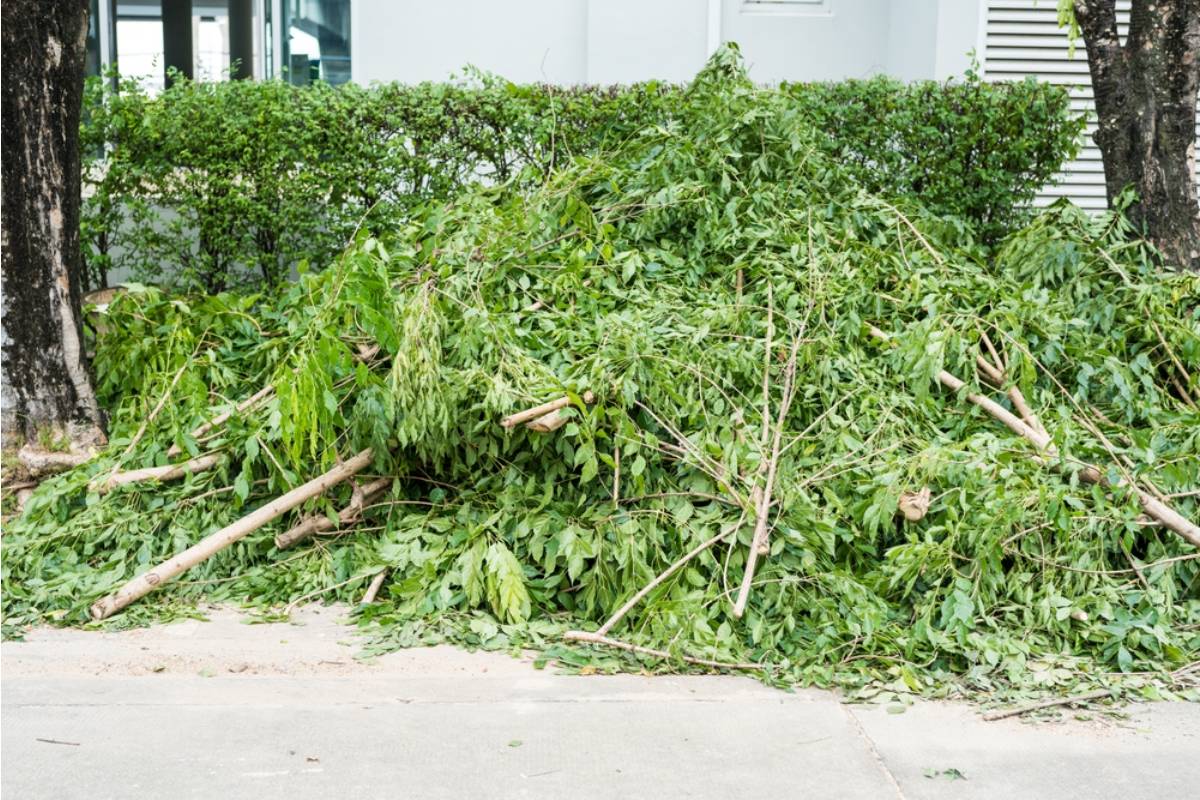
The trouble started when his landlord suddenly arranged roof work on the house. When the workers finished, they left branches scattered across the yard, and because there was no curbside yard-waste pickup, everything had to be hauled to the city’s disposal site. The renter didn’t own a truck or SUV, so the whole situation was already turning his sedan into a very questionable gardening vehicle.
The Roof Job Left a Mess Behind
The renter explained that the people working on the roof appeared to have some connection to his landlord’s construction business. After they finished their work, branches and other yard debris were left across the property. Instead of seeing a freshly repaired roof and a tidy garden, he found himself looking at a miniature forest of leftovers.
He contacted the landlord and explained that he had no truck to transport all the debris. The landlord’s response was that lawn work was covered by the lease, so the renter needed to handle it himself. With no other obvious solution, he folded down the seats, emptied his trunk, and turned his sedan into a makeshift gardening truck.
His Sedan Became a Wood-Chipping Nightmare
The first trip to the disposal site was apparently anything but elegant. Branches were sticking out of the vehicle, leaves ended up scattered across the backseat, and the entire ride sounded like something designed to make a mechanic nervous. Still, the renter got the job done because he wanted to keep things peaceful with his landlord.
For the moment, he thought the problem was over. The yard was cleared, the branches were gone, and he could finally get back to ordinary summer chores. Then a neighbor knocked on his door with another pile of branches and a request that sounded suspiciously like a new job assignment.
The First Neighbor Wanted a Favor
The next-door neighbor explained that the same roof workers had left a large amount of branches in his yard too. The branches had apparently come from a massive tree near the property that had grown over the renter’s porch roof. Instead of taking those branches away, the workers had gathered them near the base of the tree and apparently left the cleanup problem behind.
The neighbor told the renter that he expected him to haul those branches away as well. The renter was already dealing with his own pile and didn’t have a proper vehicle for the job, so he wasn’t thrilled by the request. Still, he decided that keeping a good relationship with the people next door might be worth another uncomfortable trip to the disposal site.
Then Came the Pine Cone Accusation
The neighbor also brought up something completely unrelated to the roof work. He claimed he had seen the renter throwing pine cones into his yard while mowing and told him to stop doing it. The renter admitted that, yes, he had been doing exactly that, which suddenly made the conversation considerably more awkward.
A person shared his story with the uncomfortable realization that he might have been partly responsible for creating some of the neighborhood tension himself. Pine cones may look harmless compared with tree branches, but repeatedly sending yard debris over a fence is hardly a diplomatic gardening strategy. The renter now had one neighbor asking him to haul branches and another reason to feel annoyed with the whole situation.
He Decided to Keep the Peace
Rather than start an argument, the renter loaded the neighbor’s branches into his already abused sedan. Once again, branches poked out of the trunk while leaves found their way into places that had probably never been intended to hold landscaping debris. He drove everything to the disposal site and returned home hoping that would finally be the end of it.
For a few days, it seemed like his decision had worked. He had done an extra favor, avoided a confrontation, and helped clean up a mess left by someone else’s work. Unfortunately, the garden had one more surprise waiting on the other side of the fence.
The Second Neighbor Entered the Plot
The renter later walked into his backyard and noticed another pile of branches. This time, the debris had come from trees on his side of the property, which had apparently been cut down by the neighbor on the other side. Instead of hauling the branches away, that neighbor had simply thrown them into the renter’s yard.
The renter immediately recognized the pattern. Someone had done tree work and decided that the easiest place to put the leftovers was someone else’s garden. After already hauling another neighbor’s branches away, he wasn’t particularly excited about volunteering for round two.
The Conversation Went Sideways
The renter approached the second neighbor and explained that he wasn’t going to haul away branches dumped into his yard. He pointed out that the neighbor had a truck and could transport the debris far more easily than someone using a sedan. The neighbor responded that the trees had come from the renter’s yard, so the renter was responsible for the cleanup.
That answer only made things more frustrating because the renter knew the branches had been moved there after the tree work. The conversation quickly became less about gardening and more about who could convince whom that the pile belonged somewhere else. Before long, both sides were effectively standing beside the fence arguing over a collection of dead branches.
The Landlord Had Another Opinion
The renter called his landlord once again and explained what had happened. The landlord reminded him that this was precisely why he should never have agreed to haul the first neighbor’s branches. In the landlord’s view, the new branches came from trees associated with the renter’s property, making them the renter’s responsibility.
The renter wasn’t convinced that this was fair. He felt that performing a yard chore did not automatically mean accepting everyone else’s yard chores too. If neighbors could simply toss branches over the fence whenever they wanted, his rental agreement might as well have included a clause requiring him to operate a neighborhood landscaping service.
The Fence Became the Border of the Argument
The renter decided that the fence needed to mean something. If branches were cut on one side and deliberately thrown across to the other, he didn’t believe the person receiving them should automatically inherit the cleanup. The situation seemed especially frustrating because both neighbors owned trucks while he was trying to fit tree branches inside a regular sedan.
A response from a person pointed out that debris naturally falling onto someone else’s property can be a different matter from someone deliberately moving it there. That distinction became important because the branches in this case were not simply scattered by the wind. They appeared to have been gathered, moved, and deposited across the fence.
He Finally Threw Them Back
Instead of making another trip to the disposal site, the renter made a decision that was probably guaranteed to escalate the neighborhood drama. He picked up the branches and threw them back over the fence. In his mind, he was simply returning the material to the person who had placed it in his yard in the first place.
The move felt satisfying for approximately five minutes. Then the renter discovered that the branches had come back again, sitting in his yard exactly where they had been before. At that point, the fence had officially become a very low-effort branch boomerang.
People Started Taking Sides
A response from a person argued that the landlord was the biggest problem because the workers involved in the roof project should have cleaned up the mess they created. Another response suggested that the renter should have asked the neighbors and landlord to help with transportation instead of automatically taking responsibility for hauling everything himself. The idea was that cooperation might have solved the problem without turning the renter’s sedan into a rolling compost container.
Others were less sympathetic about the pine cones. Several responses made it clear that throwing yard debris into a neighbor’s property wasn’t exactly helping the situation. The renter might have been treated unfairly with the branches, but that didn’t make the pine-cone habit any more neighborly.
The Trucks Made Everything More Irritating
One detail kept bothering the renter more than anything else. Both neighbors had trucks, while he had only a sedan that was already suffering from repeated gardening adventures. Watching truck owners leave piles of branches beside his fence while he struggled to transport them one trunk-load at a time made the whole situation feel almost absurd.
He began wondering whether everyone had quietly decided that his car was the neighborhood’s emergency yard-waste vehicle. The more he thought about it, the stranger the arrangement seemed. He had started the summer as a new renter trying to mind his own business and somehow ended up moving branches for people who had much better equipment than he did.
The Biggest Problem Wasn’t the Branches
A response from a person suggested that the renter stop throwing anything into neighboring yards and simply have a direct conversation with the neighbors. That advice was probably easier to give than to follow after several rounds of fence-side arguments. Still, it highlighted the real problem: the branches were only the visible part of a bigger disagreement about boundaries and responsibility.
The renter had been trying to solve each problem immediately, usually by doing the work himself. Every time he hauled something away, however, someone seemed to interpret his willingness as permission to give him another task. The garden wasn’t just producing leaves and branches anymore; it was producing expectations.
Then He Realized What Had Actually Happened
Looking back, the renter could see that the first mistake was assuming he had to solve every problem simply because his lease assigned him lawn care. Maintaining a lawn was one thing, but cleaning up after contractors or accepting deliberately dumped debris was another issue entirely. The second mistake was agreeing to haul the first neighbor’s branches without first deciding where his responsibility ended.
The final twist was that the renter had been so focused on keeping the peace that he accidentally created a pattern. Once he hauled away one neighbor’s branches, everyone had evidence that he might be willing to do it again. By the time he threw the second pile back over the fence, the neighborhood had transformed a simple garden cleanup into a full-blown battle over where one person’s yard ended and another person’s chores began.
The Garden Had One Lesson Left
The renter’s story ended with no perfect solution, just a much clearer understanding of what he needed to do next. He could stop throwing pine cones over the fence, document where debris came from, and insist on discussing cleanup responsibilities before loading another branch into his car. He also had a much stronger reason to ask his landlord exactly what the lease covered rather than assuming every piece of outdoor cleanup automatically belonged to him.
A person shared his story expecting people to weigh in on whether refusing to haul both neighbors’ branches made him unreasonable. Instead, the responses revealed that the bigger lesson was about boundaries, communication, and knowing when a gardening favor has quietly turned into an obligation. Sometimes the hardest thing to remove from a garden isn’t a pile of branches, it’s the expectation that you’ll always be the person who cleans them up.