A Woman Told Her Coworker She Was Terrible at Keeping Plants, Then Arrived at Work to Find Two Succulent Cuttings That Suddenly Made Her Responsible for Their Survival
A person shared his story about an unexpected gift from a coworker who apparently took a confession about terrible gardening skills as a challenge. The conversation had started a couple of weeks earlier, when the person admitted to being dreadful at keeping plants alive. Rather than accepting that as a warning, the coworker arrived at work one morning carrying cuttings from her own succulents.
It was a thoughtful gesture, but it also created an unexpected problem for the new plant owner. Suddenly, someone who knew very little about gardening had two living plants to look after, and there was no experienced gardener standing nearby to explain what to do. What began as a kind workplace surprise quickly turned into a crash course in succulent survival.
Two Tiny Plants Came With a Surprisingly Big Responsibility
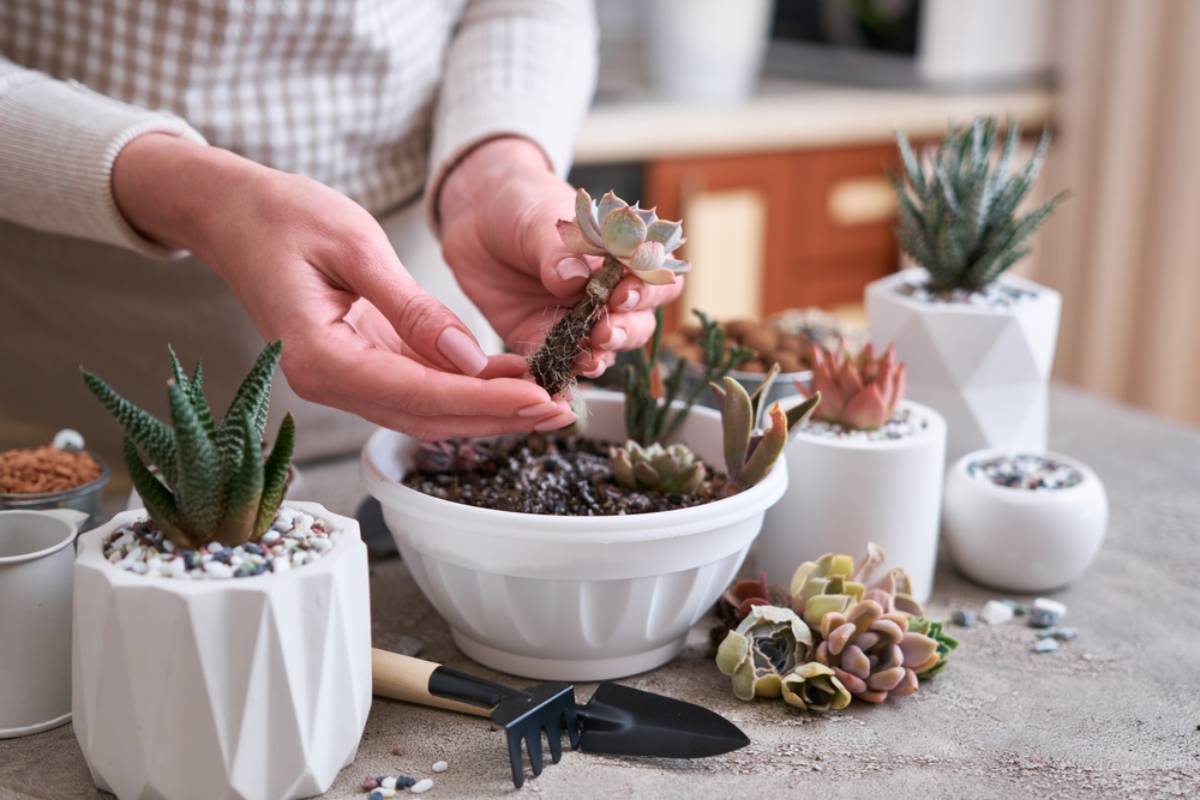
The cuttings were small enough to fit into an ordinary gardening pot, but their new owner treated the responsibility as if someone had entrusted them with something priceless. There was excitement about growing something new, mixed with the uncomfortable realization that enthusiasm alone would not keep the plants alive. Even the simplest decisions, such as where to put them and when to water them, suddenly seemed complicated.
For experienced gardeners, planting a succulent cutting might be an ordinary afternoon task. For a beginner who had already developed a reputation for killing plants, however, the assignment felt considerably more intimidating. The real challenge was no longer simply owning a plant, but figuring out how to keep two unfamiliar green visitors from becoming another gardening disaster.
The First Mystery Was Figuring Out What Was Actually Growing
Before choosing pots or buying soil, the new plant owner needed to identify the two cuttings. The initial guesses pointed toward a ghost plant, possibly belonging to the Graptopetalum group, and an elephant bush, scientifically known as Portulacaria afra. Those guesses were plausible, but the person wanted confirmation before making decisions about their care.
Plant identification can be surprisingly tricky for beginners because many succulents share thick leaves, fleshy stems, and similar growth patterns. Two plants might look almost identical at first glance while having different growth habits or preferences. The coworker had provided the cuttings, but with her gone for the day, the new gardener had to begin solving the mystery independently.
A Quick Shopping Trip Became the First Gardening Mission
The next step seemed straightforward: stop at a store and pick up a couple of small pots. The person planned to buy containers measuring roughly three to four inches across, ideally with drainage holes, along with soil intended for cacti and succulents. It sounded like a sensible beginner’s shopping list, and the plan offered a little reassurance that the plants could soon have proper homes.
But even this simple errand came with questions. Should the cuttings be planted immediately, or should they spend some time drying before going into the soil? Would ordinary succulent potting mix be sufficient, or would it need additional ingredients? The shopping trip had not even begun, yet the two tiny plants were already turning an ordinary day into a surprisingly complicated gardening adventure.
The New Owner Was Worried About Watering Too Much
Watering is one of the most common challenges for people who are new to succulent care. Many gardeners instinctively reach for a watering can whenever they bring home a new plant, assuming that extra attention will help it settle in. With unrooted cuttings, however, that instinct can cause problems because the stems need time to develop roots and overly wet soil can encourage rot.
The person planned to plant the cuttings without watering them immediately, showing an understandable desire to avoid making a beginner’s mistake. That caution was sensible, although the exact timing of watering depends on the condition of the cuttings, whether the ends have healed, and the type of succulent involved. Sometimes the hardest gardening lesson is learning that leaving a plant alone can be more helpful than fussing over it.
Rooting Hormone Entered the Picture
Just when the new gardener thought the shopping list was nearly complete, another question appeared: would rooting powder or hormone help the cuttings grow roots? Products promising faster root development can look especially appealing to someone who is nervous about losing a new plant. After all, if a little extra assistance could improve the odds of success, why not consider it?
The reassuring news is that many common succulent stem cuttings can root without rooting hormone. A healthy cutting, an appropriate growing medium, and suitable light are often enough to get the process started. For this beginner, skipping unnecessary products could make the experience less expensive and less stressful, leaving more room to learn the basics rather than trying to purchase a shortcut to a green thumb.
Texas Weather Made the Outdoor Option Complicated
Living in Texas added another layer to the decision because sunlight and heat can be intense, particularly during summer afternoons. Succulents are often associated with sunny deserts, which can lead beginners to assume that placing them directly under the strongest available sunlight is always the right move. In reality, a freshly acquired cutting can struggle when exposed to harsh conditions before it has adjusted.
The new owner wondered whether the plants would be better outdoors or indoors, with afternoon sunburn becoming a particular concern. It was a reasonable worry, especially for someone who would be away at work during the hottest part of the day. A sunny location might be ideal in the morning but much less forgiving later, making the choice of placement more important than simply finding the brightest patch of ground.
A Gazebo Suddenly Sounded Like a Potential Lifesaver
One possibility was to place the cuttings outside under a gazebo, where they might receive plenty of light without being exposed to the full force of the afternoon sun. For a beginner, this sounded like a useful compromise between keeping the plants in darkness and exposing them to potentially damaging heat. It also offered a way to enjoy an outdoor growing space without turning the cuttings into an experiment in extreme weather.
The important distinction is that bright light and direct sunlight are not always the same thing. A gazebo can provide bright, filtered conditions, but the amount of light depends on its roof, surrounding structures, and the position of the plants. Gradually introducing the cuttings to stronger sunlight would be safer than moving them straight into intense afternoon exposure, especially while they were still establishing roots.
The Indoor Option Created a Whole New Set of Questions
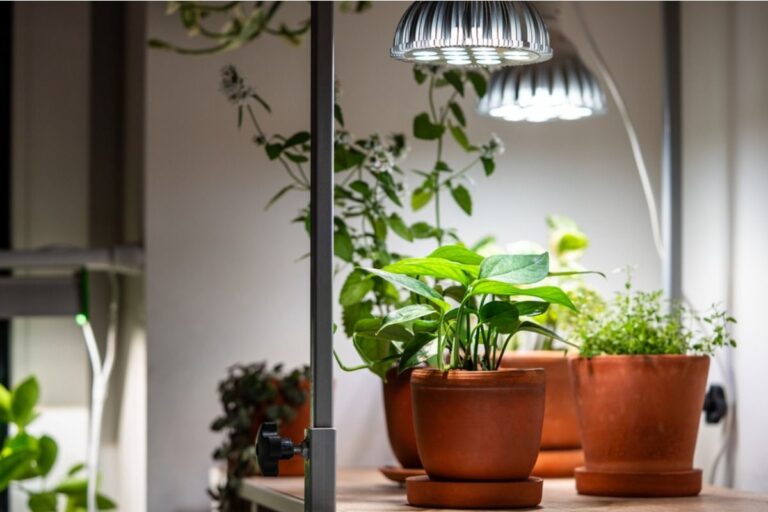
Keeping the plants inside seemed like the safer alternative, but that decision was not quite as simple as placing them on a desk. The person wondered whether reflected light would be sufficient or whether a dedicated grow lamp would be necessary. For someone who had never mastered plant care, choosing between a window, an outdoor shelter, and artificial lighting felt like an unexpectedly large decision for two small cuttings.
A bright window can work well for many succulents, provided it supplies enough light for the particular species. However, a dim corner or a room illuminated mostly by reflected light may leave sun-loving plants struggling over time. Rather than purchasing a grow lamp immediately, the beginner could first assess the available natural light and consider supplemental lighting if the plants showed signs of stretching or inadequate growth.
The Elephant Bush Raised Another Gardening Dilemma
The possible elephant bush cutting brought its own concern because it appeared to have a different structure from the other succulent. The new owner wondered whether it needed pruning before planting or whether trimming it immediately would create unnecessary complications. For someone still learning to identify the plants, the idea of cutting away part of a cutting that had just been received as a gift was understandably nerve-racking.
Elephant bush is a branching succulent shrub, and pruning can be useful when shaping an established plant or encouraging a particular growth pattern. However, there is generally no need to prune a healthy cutting simply because it is about to be planted. Giving it time to settle and develop roots first would allow the beginner to understand its natural growth before reaching for the pruning shears.
Even Keeping the Cutting Upright Became a Concern
The person also wondered whether the elephant bush needed a brace or support because of the size and shape of the cutting. This was another example of how unfamiliar gardening can make even ordinary plant features seem like potential emergencies. A cutting that leans slightly can look alarming to someone who is expecting a perfectly upright plant from the beginning.
Fortunately, a support is not automatically necessary for every succulent cutting. A sufficiently stable pot and a suitable planting depth may be enough to keep a healthy stem in place while roots develop. If the cutting is unusually tall or top-heavy, a small temporary support can help, but the goal is to provide stability without damaging the stem or burying it too deeply.
A Response From a Person Offered Some Reassuring Advice
A response from a person suggested placing the cuttings outdoors in full morning sun while protecting them from the harshest afternoon sunlight. The advice also emphasized avoiding water until the cuttings had roots and explained that rooting hormone was not really necessary. For a beginner staring at a new collection of unanswered questions, this practical guidance offered a much-needed starting point.
Another response from a person encouraged the new gardener to stop worrying so much about getting everything perfect. The advice was simple but important: even people who eventually become skilled gardeners have killed plants while learning what works. That reassurance helped shift the situation away from a test the beginner might fail and toward an experiment in which mistakes could become useful lessons.
The Soil Advice Revealed a Detail Beginners Often Miss
One particularly useful response from a person raised the issue of drainage and recommended adding inorganic grit to the potting mix. Commercial bags labeled for cacti and succulents may not always drain as quickly as expected in a particular climate or growing setup. Materials such as perlite or pumice can improve the structure of a mix, helping excess water escape rather than leaving the roots sitting in damp soil for too long.
A roughly equal mixture of commercial succulent soil and an appropriate inorganic amendment can be a useful starting point, although the ideal proportions depend on the plant, climate, and watering habits. In Texas, where heat can dry containers quickly but humidity and rainfall vary by location, observing how the mix behaves is more useful than following one recipe blindly. The surprise was that buying the right bag of soil might not be the end of the preparation after all.
The Beginner Started Treating the Plants Like Tiny Dependents
After receiving the advice, the new owner admitted to placing the cuttings near a south-facing window and spending part of the weekend chasing patches of sunlight around the home. It was an amusing picture of a beginner trying to give two plants the best possible start, even if the process was becoming slightly excessive. What should have been a simple gift had turned into a weekend project involving light, soil, watering, and constant observation.
The person even joked about feeling as though the plants needed a babysitter. Anyone who has brought home a new plant and immediately started checking it every few hours could probably recognize the feeling. Fortunately, succulents generally do not need constant attention once their basic needs are met, and learning when to step back can be just as important as learning when to intervene.
The Real Twist Was That the Coworker May Have Created a New Plant Lover
The original confession had been that keeping plants alive was difficult, but the response to the gift suggested something more interesting was happening. Instead of abandoning the cuttings or treating them as doomed from the start, the new owner began researching species, comparing lighting options, studying soil mixtures, and asking how roots develop. The person who had warned everyone about their lack of gardening ability was suddenly spending an entire weekend thinking about plant care.
A response from a person even joked that the coworker might have been an evil genius because succulent collecting can become an addictive hobby. That playful warning captured the unexpected turn in the story: a thoughtful gift might be the beginning of a much larger collection. The cuttings had not yet proved whether their new owner had a green thumb, but they had already accomplished something important by sparking genuine curiosity about gardening.
Two Succulent Cuttings Turned Into a Lesson About Patience
The story began with an ordinary workplace conversation and ended with a beginner learning that successful gardening often depends on resisting the urge to do too much. The person had worried about species identification, sunlight, potting mix, rooting hormone, pruning, and even whether a cutting needed a brace. Each question reflected a genuine desire to keep the gift alive, but the answers repeatedly pointed toward the same principle: provide suitable conditions and give the plants time.
The ultimate twist was that the coworker’s small gesture had delivered much more than a pair of cuttings. It had given someone who believed they were bad at plants a reason to learn, experiment, and perhaps discover a new hobby. Whether the ghost plant and elephant bush eventually thrived remained to be seen, but the first signs of a gardening journey were already there, growing alongside the roots.