Tuberous Begonias Store Cool at 45 to 55 Degrees, but Caladiums Need 60 to 65 or They May Not Sprout, Gardening Know How Says
Two tender summer favorites that look alike in a box of dry tubers want opposite treatment once the garden is put to bed. Gardening Know How, in a piece by Mary Ellen Ellis published Oct. 25, 2026, says tuberous begonias keep best in a cool spot at 45 to 55 degrees Fahrenheit, while caladiums need 60 to 65 degrees. Soil that drops below 55 degrees can stop caladium tubers from sprouting again.
The gap matters because most guides lump tender bulbs together and recommend one cool basement or garage. For these two plants, that single spot can mean a failed crop in spring.
Begonias Start Their Slowdown When Nights Near 45 Degrees
Gardening Know How says the work on tuberous begonias begins when nighttime temperatures dip toward 45 degrees. Watering stops so the plant winds down on its own, the stems are cut or snapped to about 1 inch above the tuber, and the tubers are lifted with a trowel, taking care not to gouge the skin.
Other sources set the timing a little differently. University of Wisconsin-Madison Extension, in a guide by Susan Mahr revised Sept. 28, 2026, says to dig begonia tubers before a hard frost, since a light frost can kill the tops. Homes & Gardens advises waiting until the leaves turn yellow, which it says is usually in November or December, and cutting the stems back to about five inches.
Curing the Tubers Before They Go Into Storage
Gardening Know How has gardeners spread begonia tubers in a single layer on newspaper in a warm, dry, frost-free room for two to three weeks, until the stem stubs shrivel and drop. The University of Wisconsin guide gives a shorter window of one to two weeks, with two to five inches of foliage left on while the tubers dry.
The Old Farmer’s Almanac, in a guide to storing tender bulbs by Robin Sweetser dated Oct. 14, 2026, puts the curing time at about two weeks in a sunny, dry place. University of Minnesota Extension prefers indoor room temperature, out of direct sunlight, until the stem remnants are dry and loose. It also says to remove stems, roots and soil but not to wash the tubers.
The Cool Spot for Begonias
After curing, Gardening Know How says to brush off dried soil and set the tubers hollow-side up in shallow trays filled with dry peat moss, perlite or sawdust. The trays stay in a dark, dry space at 45 to 55 degrees, with a monthly check and a quick discard of any tuber that turns soft or rotten.
The Almanac agrees on the range, calling for the tubers to be stored uncovered in a single layer at 45 to 55 degrees. Minnesota Extension is a touch cooler at 40 to 50 degrees, using a perforated plastic bag of peat moss or vermiculite, and notes that an insulated, unheated attic or three-season porch may be cool enough. Wisconsin Extension lands at 50 degrees, and Homes & Gardens suggests paper bags or airy trays at 40 to 50 degrees.
The common thread is cool, dark, dry and ventilated, with nothing sealed airtight. The same Wisconsin guide warns against packing any of these tender bulbs in air-tight containers because trapped moisture invites decay.
Caladiums Want Warmth, Not a Cold Garage
Caladiums run on a different clock. Gardening Know How says not to wait for frost. The tubers are lifted in early fall once nights stay below 60 degrees and the leaves lose their color, using a fork and keeping the foliage attached.
The leaves stay on while the tubers cure in a warm, dry, shaded room at about 70 degrees for two to three weeks, until the foliage is crisp. Only then are the leaves snipped off at the neck of the tuber. The tubers are packed in dry peat moss or vermiculite and held at 60 to 65 degrees, which Gardening Know How says could be an interior closet or a heated utility room.
Several other sources back the warmer range. The Almanac says caladiums dry for about a week and keep in vermiculite or peat moss at 60 degrees. Wisconsin’s storage guide quotes the line that caladium needs warmer storage temperatures than most other tender bulbs and gives 60 degrees as the target. A separate Wisconsin Extension caladium page, also by Susan Mahr, says to bring corms inside before soil temperatures fall below 55 degrees, and to store them in dry sphagnum moss or a mesh bag at roughly 55 to 60 degrees for up to five months. It adds that rot in storage or after planting usually shows up under cool conditions.
Why the Two Plants Get Mixed Up in Storage
Both plants are lifted in autumn, both are cured with care and both end up in peat moss or something like it. A gardener who stores a labeled box of each in the same cold room will do well by the begonias and poorly by the caladiums. Labeling the packages when they are packed, as Minnesota Extension recommends for all tender bulbs, makes it easy to sort them again by temperature.
The same sorting logic applies across the whole tender-bulb shelf. Elephant ears, for example, tolerate even warmer storage than caladiums, as the site’s earlier piece on storing elephant ear tubers explains.
The nursery Hicks Nurseries notes that tuberous begonias improve for about eight years before they die, which is a long return on a few weeks of fall attention. Caladiums are meant to be lifted before a hard frost, and the same nursery page says their roots live a long time and get larger and better each season. Wisconsin’s caladium page adds that the plants do best when soil is at least 70 degrees, which is a reminder that the warmth they like in storage continues into the planting bed.
This article was produced with AI assistance and edited for accuracy against the sources linked above.
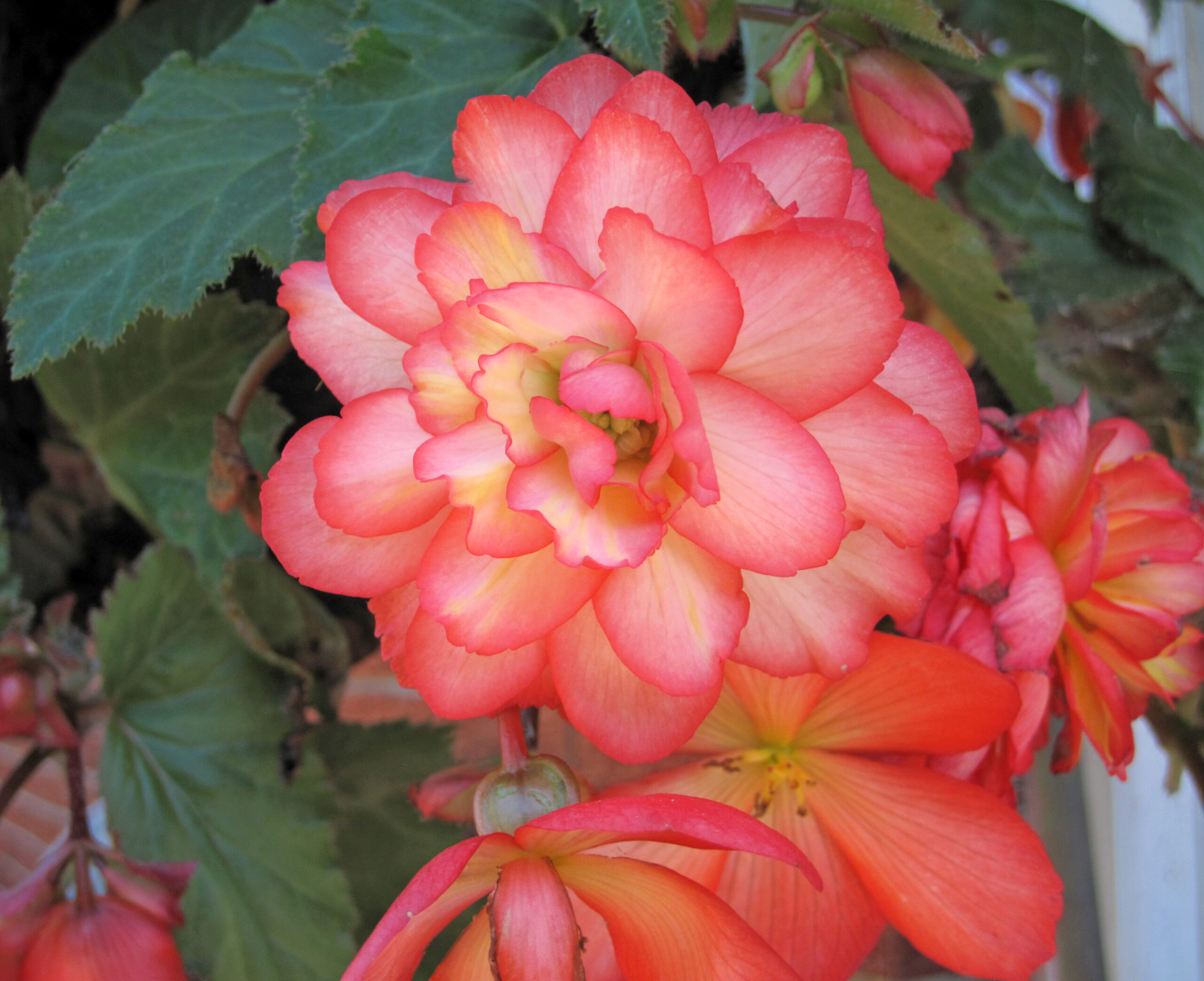
Image: James St. John, CC BY 2.0, via Wikimedia Commons