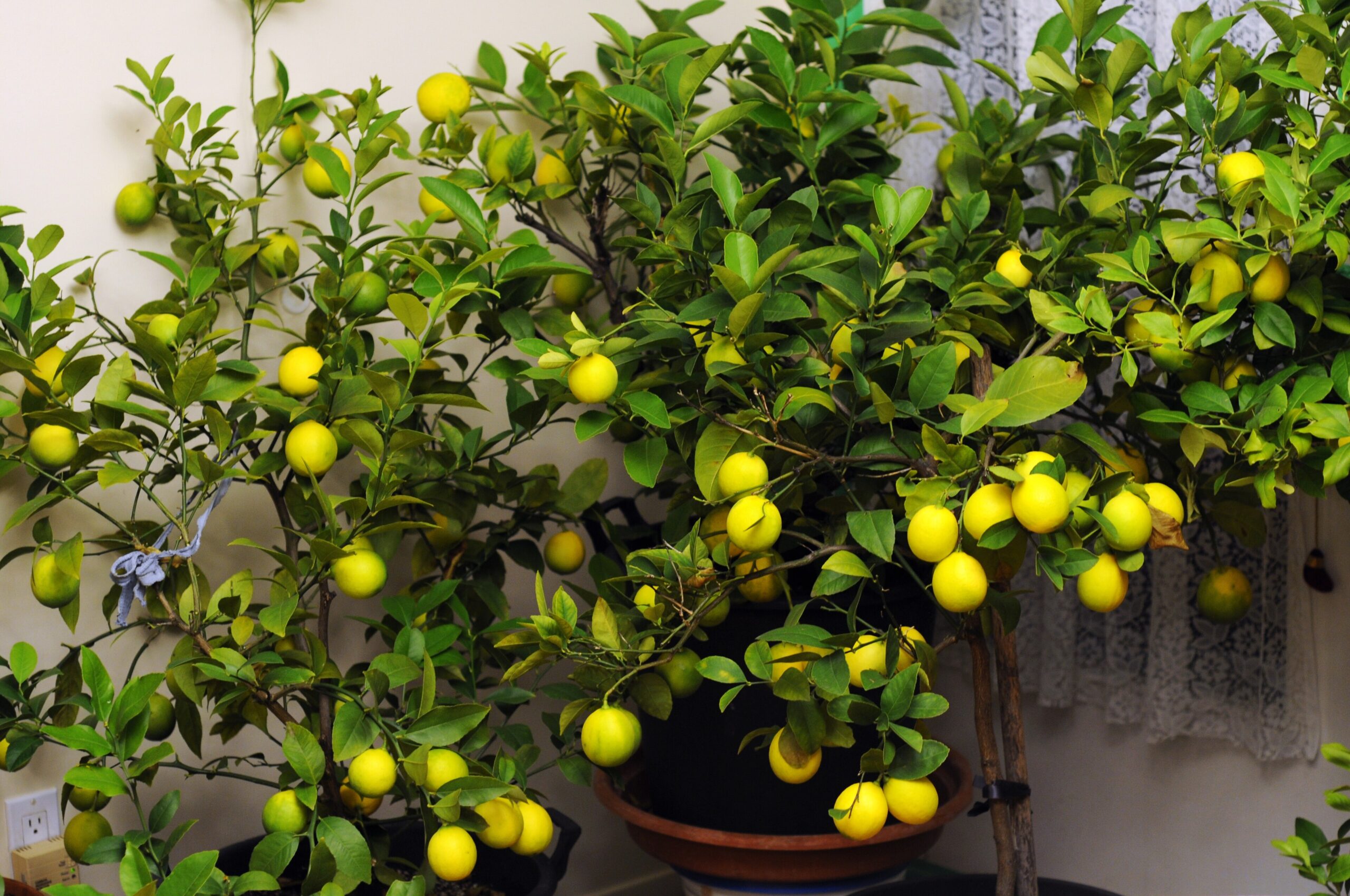
Potted Lemon and Other Citrus Trees Should Come Indoors Once Nights Drop Below 45 Degrees, Since 29 Degrees for 30 Minutes Can Damage Them
Better Homes & Gardens garden writer Sheryl Geerts advises moving potted lemons, limes and other citrus indoors once nighttime temperatures drop below 45 degrees. The reason for the early cutoff is how little cold it takes to hurt them: most citrus is vulnerable when temperatures fall to 29 degrees for 30 minutes or longer. University extension services add a few steps that make the move indoors go more smoothly.
The 45-Degree Signal and the 29-Degree Danger
In her Better Homes & Gardens guide to keeping citrus thriving indoors over winter, Geerts puts the move-in point at nights below 45 degrees. Citrus does best in summer at about 70 degrees during the day and 50 at night, so a 45-degree night is a sign that conditions outside are slipping away from what the trees want.
The real danger zone is lower. Geerts notes that most citrus becomes vulnerable at 29 degrees for 30 minutes or more. University of Maryland Extension’s guide to growing dwarf citrus says most citrus is damaged below 32 degrees and recommends bringing plants in before the first frost.
Meyer lemons, the most common potted lemon, are not cold hardy outside USDA Zones 9 and 10, according to Oregon State University Extension, which tells Pacific Northwest growers to bring them in around Halloween and move them back outside around mid-April, hardening them off gradually.
Easing the Tree Into Lower Light
A sudden move from full sun to a living room can shock a citrus tree. Geerts recommends acclimating it over about three weeks in fall by moving it to progressively shadier spots before it comes inside. Deborah L. Brown of University of Minnesota Extension suggests keeping plants in a shady spot for about a week before bringing them in so they adjust to the lower light.
Once inside, light becomes the biggest limit. Maryland Extension calls for at least six hours of direct sun, ideally eight to 12, with a south-facing window as the best winter spot and a fluorescent or LED grow light if natural light falls short. Oregon State suggests a bright window with six to eight hours of sun.
Geerts also warns against placing the tree near heating vents, radiators or outside doors that let in cold drafts.
Indoor Temperatures, Water and Humidity
Maryland Extension and Cornell Cooperative Extension of Monroe County both recommend days around 65 to 75 degrees and nights around 55 to 65, noting that the cooler nights help trigger flowering. Minnesota’s Brown suggests about 65 degrees during the day with a five- to 10-degree drop at night. If a tree blooms indoors, Geerts says the room should stay at least 57 degrees so it can set fruit.
Overwatering is a common winter mistake. Geerts says to water when the top inch or two of soil is dry, soak it thoroughly, let the excess drain and empty the saucer. Cornell recommends checking once or twice a week by pushing a finger about 2 inches into the soil and watering only when it feels dry. Leaf drop signals too much water, according to Cornell, while flower drop signals too little.
Dry indoor air is the other problem. Maryland and Cornell both recommend running a humidifier near the plant to reach about 50 percent relative humidity. Geerts suggests a cool-mist humidifier or a central heating system’s humidifier to prevent premature leaf and flower drop.
Checking for Pests Before the Move
Insects that ride in on a citrus tree can multiply quickly indoors. Geerts advises checking for leaf miners, aphids and scale before the move and treating them with organic horticultural oil or a strong stream of water from a hose.
Maryland Extension recommends spraying with horticultural oil or an insecticidal soap labeled for houseplants before bringing the tree in, then checking regularly for scale, mites, mealybugs, whiteflies and aphids. If an infestation turns up, it suggests treating the plant outdoors on a warm day and bringing it back once the spray dries. Minnesota’s Brown adds that washing the leaves periodically, including the undersides, helps keep scale, whitefly and spider mites in check.
Feeding and Pollinating Through Winter
Maryland Extension says to stop fertilizing by early fall and skip it through winter, returning to a nitrogen-rich fertilizer such as a 2-1-1 or 3-1-1 formula from spring to late summer. Geerts notes that dark green leaves signal adequate nutrients.
Indoors, there are no bees to do the work. Cornell and Geerts both say flowers that open inside need to be hand-pollinated with a small, dry paintbrush, moving pollen from the stamens to the central pistil, if the tree is going to set fruit.
For a young tree, Geerts recommends a container about 15 inches wide and 15 inches deep with a well-draining potting mix, and a porous terra-cotta pot can help keep the soil from staying too wet.
Fruit That Takes Its Time
Patience is part of growing citrus in a pot. Geerts notes that many citrus fruits take nine months to a year to ripen, with harvest times that vary by variety, and that taste is a better test of ripeness than color. Lemons and limes can be picked once they reach the size and juiciness a grower wants.
A young tree should not be asked to carry too much. Geerts recommends leaving only four to six fruits on a tree in its first year, then adding one or two more each year as it grows. If leaves turn off-color, she suggests a balanced, water-soluble fertilizer used according to package directions.
Get stories like this by email. Sign up for The Parent Diaries Letter.
This article was produced with AI assistance and edited for accuracy against the sources linked above.
Image: Milan Suvajac – CC BY-SA 4.0/Wikimedia Commons