Branches and Cut Wood Lay Across Headstones at Calvary Cemetery in North St. Louis After a Tree Removal, and the Archdiocese Says More Cuts Are Coming
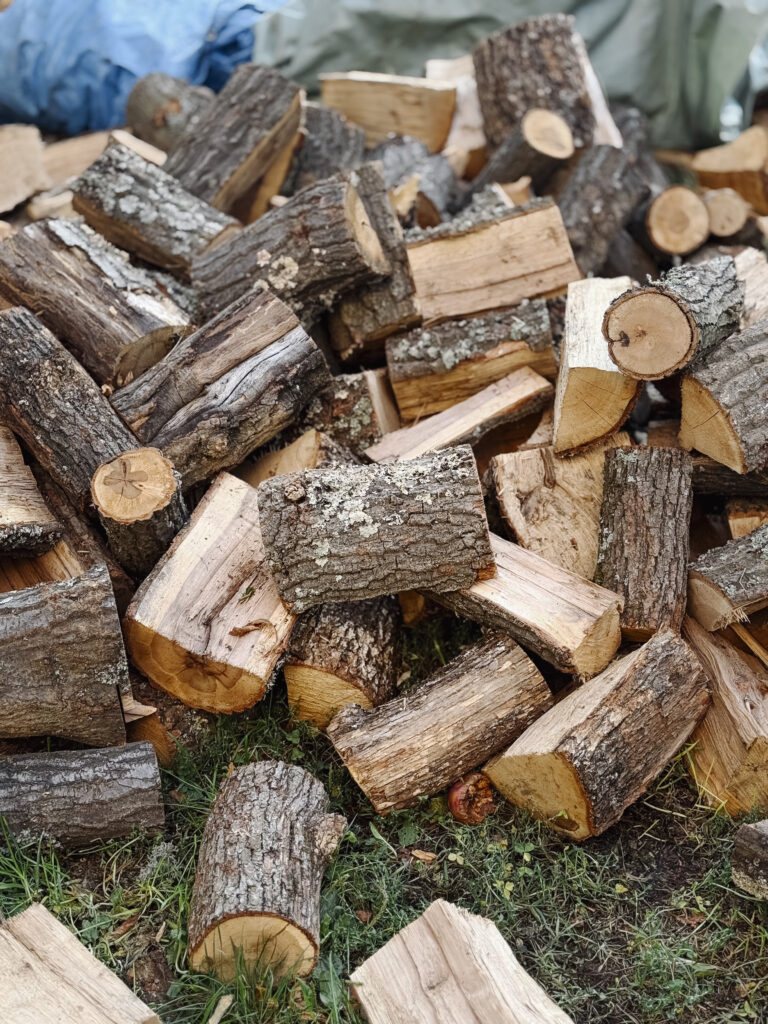
Photos sent to a St. Louis television newsroom showed branches and cut wood lying between and on top of headstones at Calvary Cemetery, off Florissant Avenue in north St. Louis. When a reporter went out to look, First Alert 4 confirmed the debris, and the Archdiocese of St. Louis said it came from a tree cut down in that section as part of a maintenance plan.
The Archdiocese also told the station that visitors should expect more of the same, saying to “expect to see increased tree removal activity at this time of year.” It said none of the monuments were damaged.
What the Station Found Among the Headstones
A viewer emailed First Alert 4 with photos of what the viewer described as damage to gravestones, tied to a tree removal plan carried out by cemetery crews, according to the station’s Oct. 20 report by Raya Torres. The station then visited and confirmed branches and cut wood between and on some headstones.
Calvary Cemetery referred questions to the Archdiocese. In its response, the Archdiocese said crews choose the direction a tree will fall before cutting, and that “monuments within the anticipated fall area are temporarily laid flat” to protect them.
The report did not include complaints from families beyond the viewer’s email, and it did not give a total number of trees to be removed. It cited one tree cut in the section in question.
Why Families Do Not Get a Call First
First Alert 4 asked whether families are told before tree work begins. The Archdiocese said “individual advance notification is just not practical,” pointing to the number of trees removed each season and the limited contact information it holds for most cemetery lots.
It described the work as necessary maintenance that also takes place at other cemeteries, and said staff try to make sure no gravesites are damaged. The Archdiocese called the removals a safety measure ahead of harsh winter weather.
Crews were expected to finish removing debris that week and then move the gravestones back to their original positions, the station reported, without naming a day.
A 470-Acre Cemetery Full of Large Shade Trees
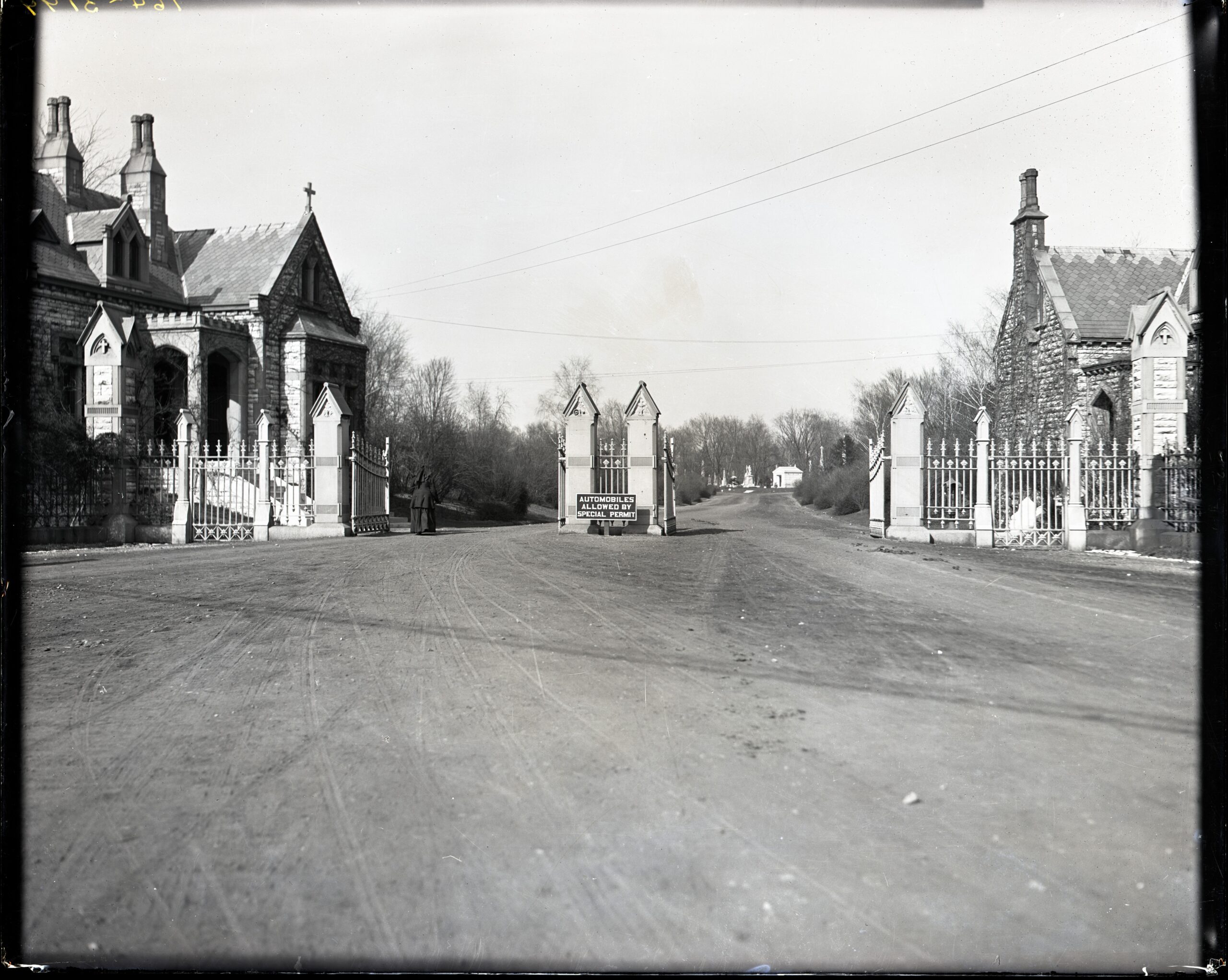
The Cultural Landscape Foundation’s profile of the cemetery says Archbishop Peter Richard Kenrick bought 323 acres in 1853, and later land purchases brought it to about 470 acres. More than 300,000 people are buried there, and the grounds are mostly turf lawn and large shade trees.
The same profile lists Dred Scott, Kate Chopin, Tennessee Williams and William Tecumseh Sherman among the notable burials. Much of the grounds are arranged in grids of upright monuments and lawn-level markers that follow the curving roads.
Large trees over a monument-dense lawn have caused trouble before. The St. Louis Review reported that storms from June 30 through July 2, 2023, brought down or damaged an estimated 150 to 200 trees at the cemetery, blocked about a third of its 27.5 miles of roads and closed it to the public. Matthew DeWitt, managing director of administration services for Catholic Cemeteries of the Archdiocese of St. Louis, told the paper in its coverage of the storm damage: “Utter devastation is the best way to describe it.”
The paper reported that the number of damaged gravestones was not known at that point, that Calvary planned to document the damage and notify affected families, and that it planned to replace the trees that fell.
What Tree Experts Say About Removing Hazardous Trees
University of Missouri Extension’s guide to pruning and care of shade trees says broken, dead or dying branches should be removed. For a large tree that appears hollow, has a cracked trunk or shows extensive branch dieback, the guide says to consult a professional arborist to determine whether the tree is a hazard, and that in some cases removing the tree and planting a more suitable one is best.
The same guide notes that working in large trees is dangerous and that homeowners should use a competent arborist who carries insurance against personal injury and property damage.
A second extension publication, First Aid for Storm-Damaged Trees, by forestry specialist Hank Stelzer, lists reasons to take a tree down. They include a trunk that is split, a tree already weakened by disease or rot, and a crown that has lost more than half its branches.
The storm publication also describes how risky cutting can be once a tree is already damaged. It warns of hanging branches that look ready to fall and of bent or twisted branches under strong stored tension, which can release unpredictably when cut. It says anyone more experienced than a weekend woodcutter should handle bent trees and branches larger than 6 inches across.
The same publication leans toward restraint. It says a mature shade tree can usually survive the loss of one major limb, waiting and watching is often better than cutting right away when a tree is basically healthy, and topping a tree tends to produce weakly attached regrowth that breaks more easily.
What Is Still Unanswered at the Cemetery
The Archdiocese has not said how many trees are on its removal list, which sections of the 470 acres come next, or how it chooses which trees to cut. Its statement describes the work only as a maintenance plan and a safety step ahead of winter.
It also has not said whether families will hear about monuments laid flat in other sections. Its answer to First Alert 4 was that advance notice to individual families is not practical, and the Archdiocese told visitors to expect more removals in the coming weeks.
Get stories like this by email. Sign up for The Parent Diaries Letter.
This article was produced with AI assistance and edited for accuracy against the sources linked above.
Image: Unknown author – Public domain/Wikimedia Commons