Dan Millea Turned Away for a Few Seconds to Put On His Shoes, and His Dog Luna Was Gone From His South Charlotte Yard
It was just after 8 p.m. on Thursday, Oct. 1, when Dan Millea let his two dogs into the backyard of his home off Park Road in south Charlotte’s Huntingtowne Farms neighborhood. He looked away for a few seconds to put on his shoes. When he turned back, his other dog was running to the porch, and Luna, his white terrier, was gone. No sighting of her has been reported since, and Millea believes coyotes took her.
No one has confirmed what happened to her. Millea found no fur or blood and heard no yelp. But coyotes had been seen in the neighborhood for weeks, including in his own backyard.
A search behind the shed
Millea told WBTV that his other dog came running back from behind the shed, and that was the first sign something was wrong. He searched the neighborhood for about three hours.
He told the station he heard no struggle at all, and never any kind of yelp or sound of an attack. That night, he said, he saw a pair of eyes over a fallen tree, belonging to something darker than his white terrier.
The sightings did not start that night. Millea told WBTV that in the past few weeks, another neighborhood dog was allegedly attacked by a coyote, a neighbor came face to face with one at her fence, and his daughter saw one in the family’s backyard. She estimated it was about the size of a German shepherd.
Who responds when a coyote is the suspect
Millea wants the coyotes that go after pets relocated and wants local animal control leaders to deal with the problem. He also told the station that removing one coyote would not end the encounters, because more would likely move in. “So far it’s been pets. What happens when it’s a child?” he said, according to The Cool Down, which followed up on the WBTV report.
In Charlotte, the agencies involved draw a firm line. The city’s Animal Care and Control wildlife page says the department responds when a person physically contacts a wild animal, or when a pet fights with or is wounded by one. A report is filed in those cases, but the city says the animal may not be caught, especially if it has left the area. The North Carolina Wildlife Resources Commission generally does not respond to coyote sightings, because coyotes are native. For a nuisance wildlife problem, the city points residents to private animal removal companies and licensed trappers.
WBTV spoke with one of those trappers, Steve Wooten, who serves Mecklenburg County. He told the station he sets traps, catches animals alive and relocates them. North Carolina’s commission keeps lists of private wildlife damage control agents and licensed trappers on its website, according to its brochure.
Why fall brings more coyotes into yards
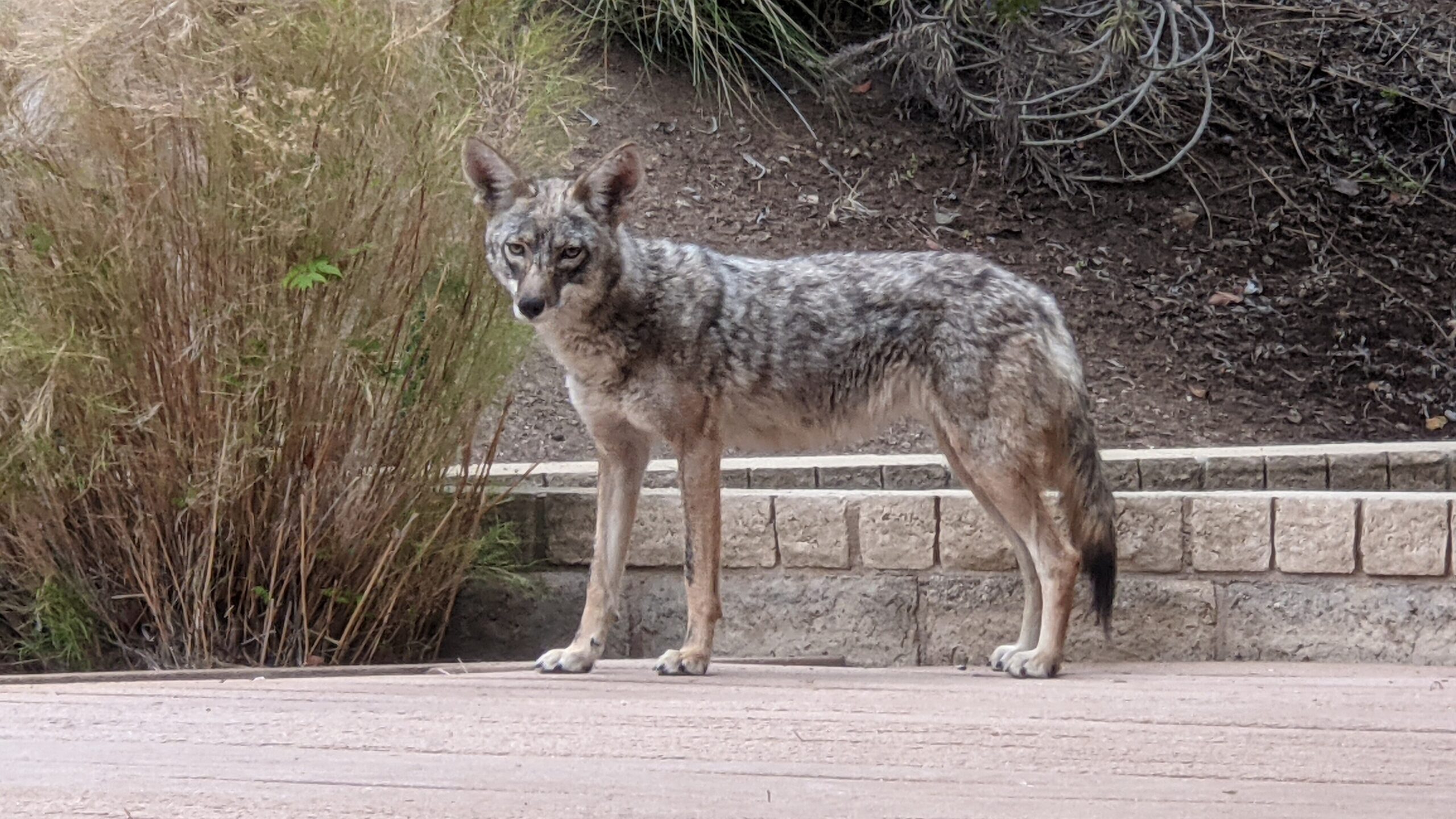
Charlotte’s wildlife page explains that sightings often rise in the fall, when young coyotes leave their family groups to form packs of their own. Urban coyotes usually live in groups made up of a female, a male and their pups, and litters can run four to seven pups. Adults typically weigh 20 to 40 pounds and have yellow eyes with large pupils. They eat small rodents, rabbits, snakes, squirrels and some fruits and vegetables, and they rarely attack people.
Pets are a different story. The city says coyotes may prey on pets and advises keeping them indoors after a coyote has been seen nearby. The Wildlife Resources Commission’s coexisting with coyotes brochure says the animals are established in all 100 North Carolina counties and that outdoor cats and small, unleashed dogs may be seen as prey.
Steps for dog owners in coyote neighborhoods
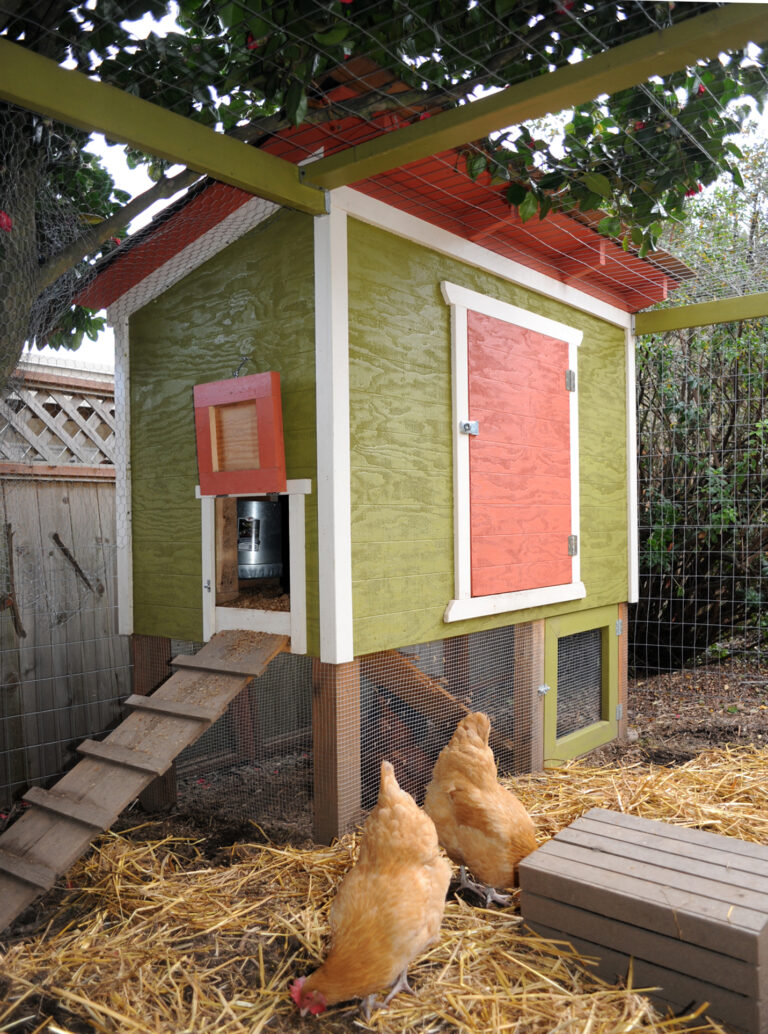
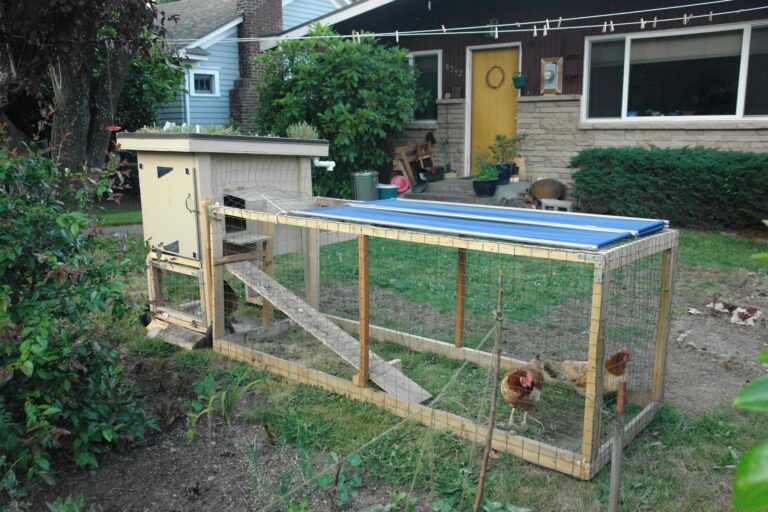
Commission guidance republished by Coastal Review says cats and small-breed dogs need close supervision outdoors because coyotes may mistake them for prey, and that they should be on a leash or harness whenever they go outside. It calls dog-proof fencing at least 6 feet tall, built so coyotes cannot dig under it, the only sure coyote-free barrier. Outdoor pet food, fallen fruit, food scraps and bird feeders should be cleared away. If a coyote shows interest in a small dog, the commission says to pick the dog up and act threatening toward the coyote. Commission extension biologist Falyn Owens urged residents to remove anything that could attract coyotes and “actively make the area uncomfortable for them.”
The brochure suggests making coyotes feel unwelcome near homes by throwing a small object such as a tennis ball, making loud noise or spraying the animal with a hose. It also recommends feeding pets indoors, or picking up their food as soon as they finish eating outside.
Charlotte’s guidance adds that pets should not be left outside unsupervised, especially at night, even in a fenced yard, and that invisible fences do not protect pets from predators. Anyone whose pet is attacked by a wild animal can report it to the city through 311.
In Los Angeles, neighbors in Atwater Village had spent months warning officials about a bold coyote before one hurt a 16-month-old boy in his family’s backyard.
Get stories like this by email. Sign up for The Parent Diaries Letter.
This article was produced with AI assistance and edited for accuracy against the sources linked above.
Image: Holly Cheng – CC BY-SA 3.0/Wikimedia Commons