Two Overton County Men Were Sentenced for Cutting Down a 55-Foot Black Walnut in a Tennessee State Forest and Selling It to a Sawmill
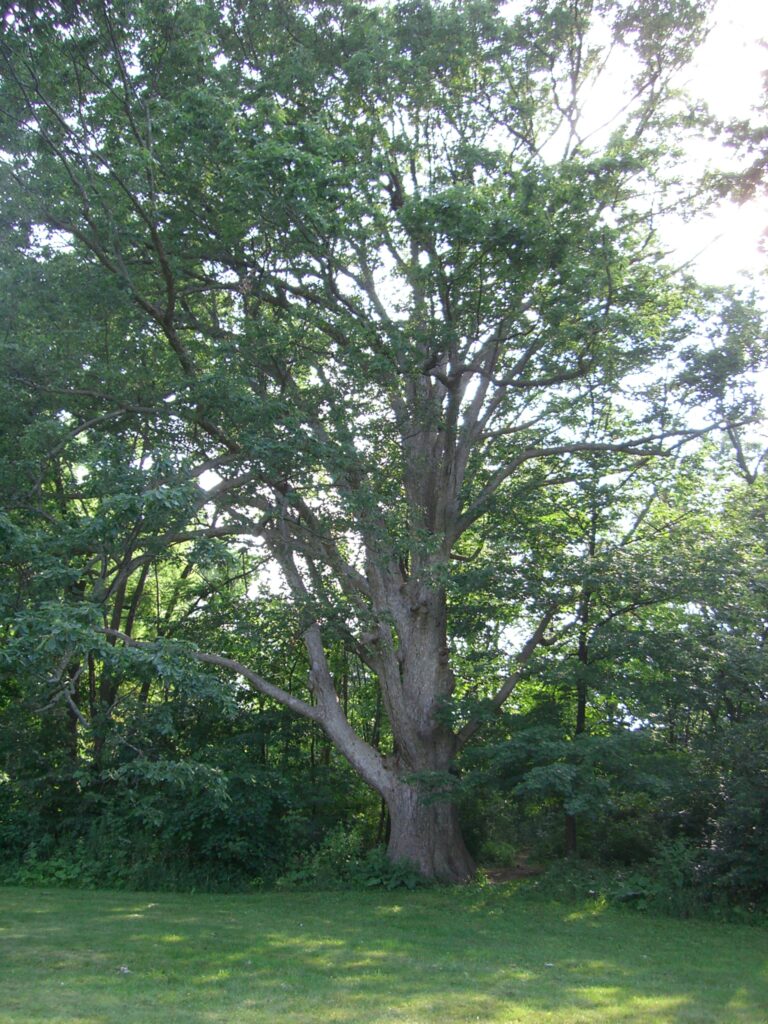
“Protecting Tennessee’s natural resources takes cooperation and follow-through,” Tennessee Agriculture Commissioner Andy Holt said after two Overton County men were sentenced for taking a single tree out of a state forest. The tree was a black walnut, about 55 feet tall and 30 inches across, and it ended up at a regional sawmill on the same day it disappeared.
The case closed this month with guilty pleas from both men, restitution for the tree, fines, and a ban that keeps each of them out of the forest and the neighboring state park.
Two Guilty Pleas Three Weeks Apart
Derek Smith pleaded guilty on Sept. 14 to theft of property valued at more than $1,000, a Class E felony in Tennessee, according to the Tennessee Department of Agriculture’s account of the case reported by 102.5 WOW Country on Oct. 27. He received two years of probation through the Tennessee Department of Correction and was ordered to pay $2,050 in restitution and a $1,000 fine.
Marvin Hall pleaded guilty to the same charge on Oct. 5. His sentence is two years, with six months to serve and the remaining 18 months on probation. He was also ordered to pay $2,050 in restitution, and his fine is three times the size of Smith’s, at $3,000.
Both men are now barred from Standing Stone State Forest and from Standing Stone State Park. Together, the restitution orders total $4,100, and the fines add another $4,000.
A Felled Walnut That Was Hard to Move
The investigation began on May 21, 2026, when the department’s Forestry Division reported that the walnut had been cut down inside the state forest. At first the tree appeared to have fallen in a direction that would make it difficult to haul away, according to the state’s account.
On June 5, investigators learned the tree had been taken anyway. The department’s Agricultural Crime Unit, a team of special agents who handle crimes tied to farming and forestry, took the case, and park rangers from the Tennessee Department of Environment and Conservation helped gather evidence.
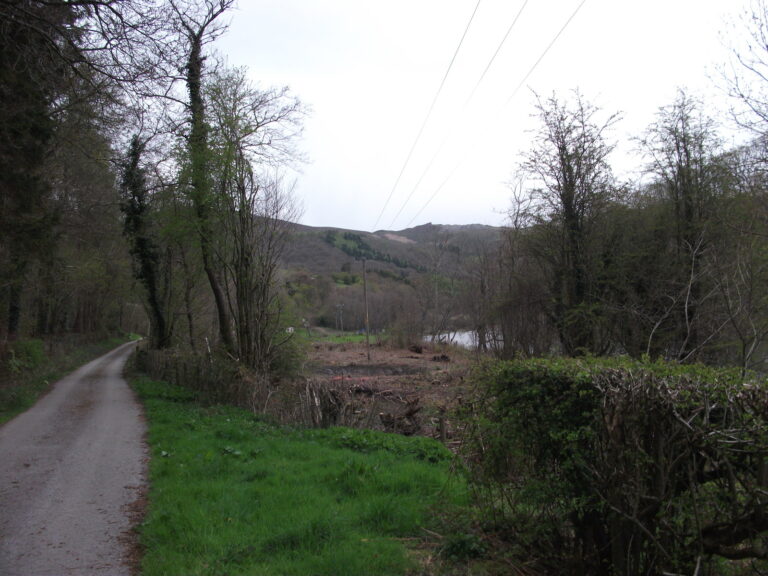
The forest itself is large. Standing Stone State Forest covers about 11,000 acres in Overton County and completely surrounds the 855-acre state park, according to its Wikipedia entry, which notes the forest is managed by the Tennessee Division of Forestry and grew out of a 1930s New Deal effort to restore eroded, depleted land. Tennessee State Parks lists the park near Hilham and describes it as a historic haven born from eroded farmland.
The Sawmill Owner Who Called an Agent
The break in the case came from the buyer. Three days after investigators learned the walnut was gone, a regional sawmill owner contacted Agricultural Crime Unit Special Agent Christopher Magee and said he had bought a black walnut tree from Hall on the day it was stolen. The sawmill owner identified both Hall and Smith.
Investigators then served search warrants. On Aug. 3, the case went before a grand jury, which returned indictments against both men. The two pleas followed in September and October.
The Agricultural Crime Unit is not a small operation. It investigated 49 cases in October 2026 alone, working with local, state and federal partners on crimes involving agriculture, forestry and related industries. Holt credited the Standing Stone outcome to the unit’s work alongside the department’s Forestry Division and law enforcement.
Why One Black Walnut Is Worth Stealing
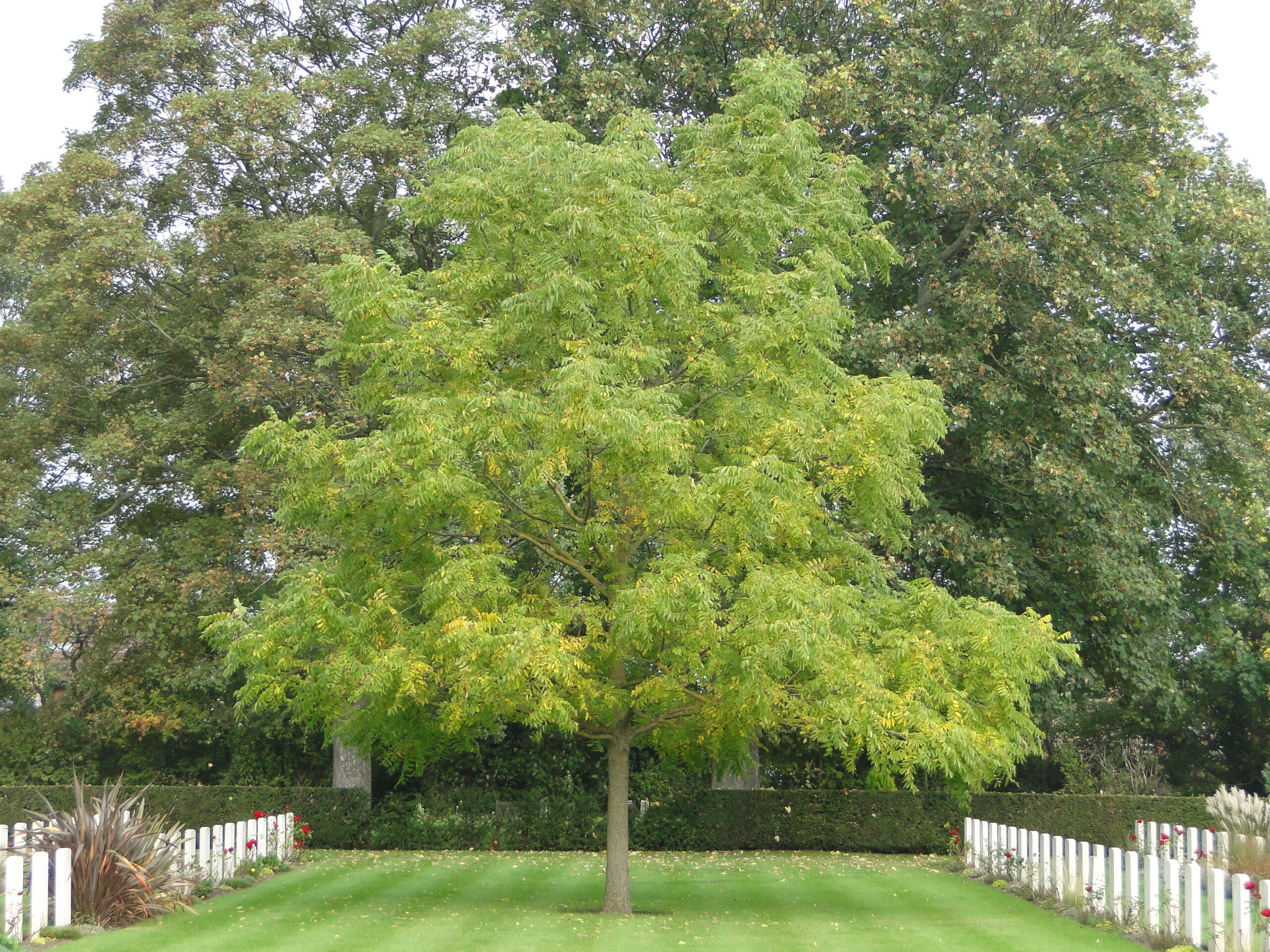
Black walnut is one of the most sought-after native hardwoods in North America. The U.S. Forest Service’s Silvics of North America calls it one of the scarcest and most coveted native hardwoods, with much of the remaining high-quality timber going to veneer. The wood’s fine, straight grain is used in furniture, interior paneling, specialty products and gunstocks.
The same Forest Service guide says mature walnuts on good sites usually reach 100 to 120 feet tall and 30 to 40 inches in diameter. At 30 inches across, the Standing Stone tree fell within that mature range for trunk size, even though it stood about 55 feet tall. Walnut grows best on deep, well-drained soils in coves and bottomlands, and the Forest Service notes that a veneer-quality log can take 40 to 50 years to develop.
The species is native to central and eastern North America, from southern Ontario to Georgia and west to Texas, and its dark heartwood is counted among the most durable hardwoods in the country, according to the reference entry on Juglans nigra. Historically, the lumber went into gunstocks, furniture, flooring and paddles.
That slow growth means a stolen walnut cannot be replaced for decades, while the trunk itself can be sold to a mill on the day it is taken, as happened at Standing Stone. In this case, the buyer’s willingness to talk to an agent was what connected the stump in the forest to the two men.
What Homeowners With Walnuts Can Take From the Case
The Standing Stone case shows how Tennessee investigators treat the theft of a single tree: as a felony property crime, with restitution, fines, jail time and, in this case, a ban from public land.
Big trees have drawn legal protection in other places, too, such as the Edmonds council’s protection for landmark trees 30 inches and wider. Trees on city land can also carry costs for the homeowner next to them, as a Nebraska man learned when Gretna cut down a 100-foot oak and billed him $3,500.
For the Standing Stone walnut, the paper trail is now complete: a tree reported down on May 21, a sawmill sale traced in early June, indictments on Aug. 3, and two sentences handed down by Oct. 5. Both men owe $2,050 each to cover the tree, and neither may return to the forest where it grew.
Get stories like this by email. Sign up for The Parent Diaries Letter.
This article was produced with AI assistance and edited for accuracy against the sources linked above.
Image: Adrian S Pye, CC BY-SA 2.0, via Wikimedia Commons