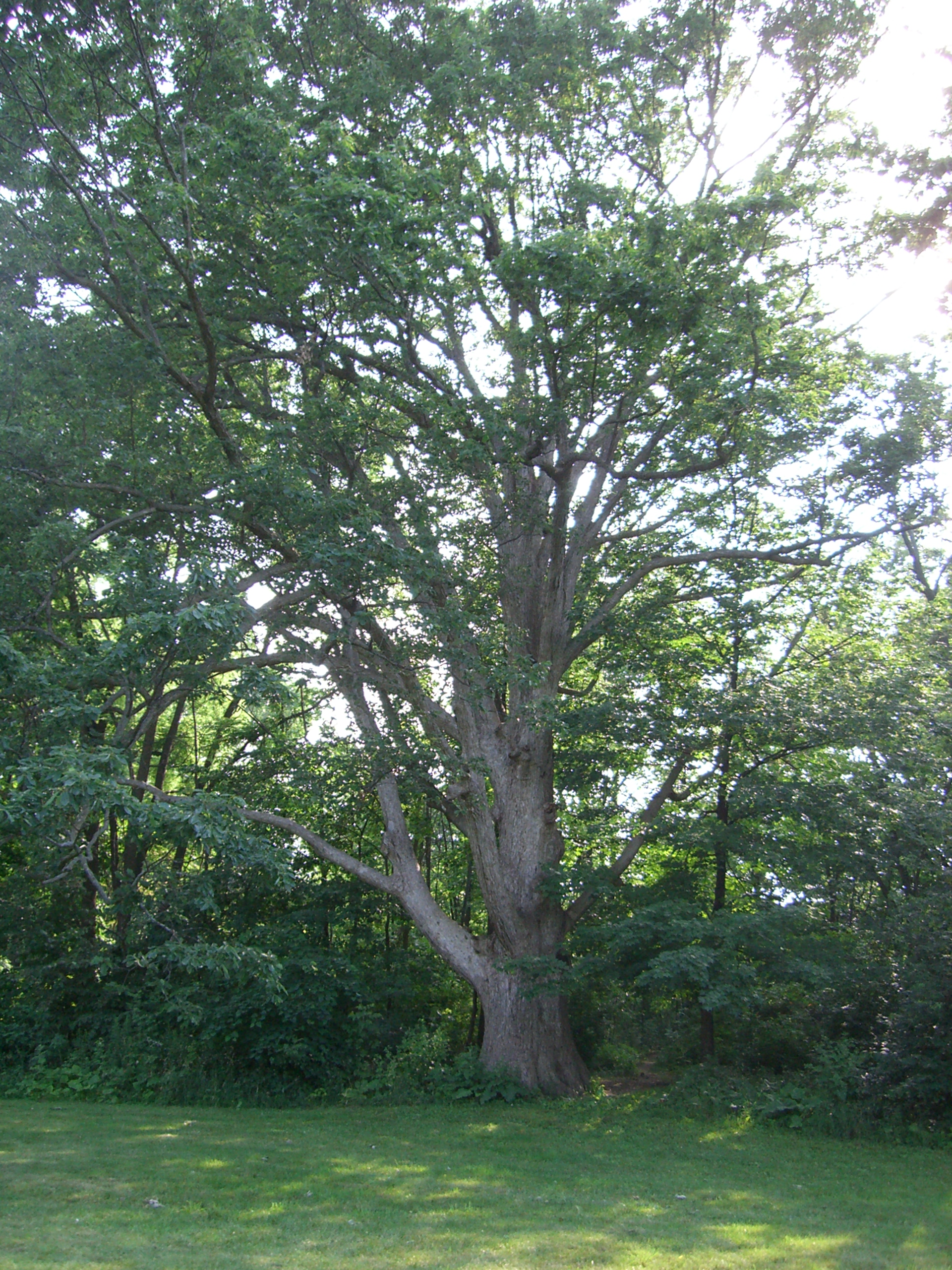
Sterling Heights’ 88-Foot Chinquapin Oak, Said to Predate the Nation, Will Be Saved Under a Scaled-Back 29-Unit Building Plan
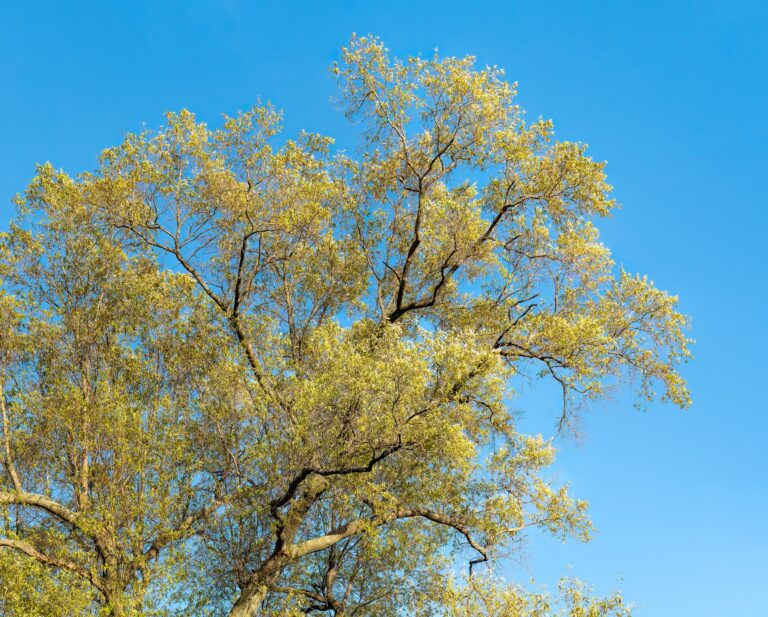
Eighty-eight feet tall and 14 feet around, a chinquapin oak on the east side of Van Dyke Avenue in Sterling Heights, Michigan, has stood on its patch of floodplain since before the United States existed. For nearly two years, neighbors feared it would come down for an apartment complex. Under a revised building plan from the Chaldean Community Foundation, the tree known locally as the Sterling Oak will now stay, according to C&G Newspapers’ Sterling Heights Sentry.
The new proposal shrinks the project from a four-story, 80-unit building to a three-story building with 29 apartments, and it puts the oak at the center of the site’s outdoor space. The Sterling Heights City Council has scheduled a public hearing on the revised plan for its Nov. 4 meeting.
A rare oak on two acres of Van Dyke frontage
The tree sits on city-owned land south of Clinton River Road. Residents who first raised the alarm in early 2025 described it to the Sentry as a rare chinquapin oak with a crown spread of 84.5 feet. Certifiers with the Michigan Botanical Society ranked it the seventh-largest of its kind in Michigan, and an International Society of Arboriculture formula put its age at close to 270 years, possibly as many as 300, the paper reported at the time.
Chinquapin oaks are native to the eastern United States and favor alkaline, well-drained soil. They usually top out at 40 to 50 feet in a yard, though they can reach 70 to 80 feet in the wild, according to the Franklin & Marshall College arboretum. Their sweet, half-inch acorns feed birds and mammals, and a tree may take up to 30 years to start producing them. At 88 feet, the Sterling Oak is taller than that wild range.
The city bought the roughly 10.5-acre property for about $640,000 using federal American Rescue Plan Act money. In August 2024, the council voted 5-2 to sell about 2 acres of it to the foundation for an 82-unit, four-story apartment project estimated at $30 million, the Sentry reported. Mayor Michael Taylor, Mayor Pro Tem Liz Sierawski and council members Barbara Ziarko, Michael Radtke and Henry Yanez voted yes; Deanna Koski and Maria Schmidt voted no. Plans at that stage would have meant the oak’s removal.
How neighbors kept the tree in the conversation
Resident Emily Young started an online petition, describing herself on the page as “just a busy mom who’s trying to save a very special tree.” It has since passed 3,700 verified signatures, according to the petition itself. In an April 2025 interview, Young told WXYZ 7 News Detroit, “Once it’s gone, there’s no do-overs.” At the time, the city said its tree preservation ordinance would require replacing the oak inch for inch, which it estimated at roughly 20 new trees.
Longtime resident Mark Graf also pushed for the tree, telling the station that oaks support more life than any other tree species in North America and that saplings would not replace those benefits for decades. Other residents spoke up too. Kathryn Hill told the Sentry in 2025 that once the tree is gone, “it’s gone forever,” and that it cannot be brought back.
The city, for its part, framed the project as needed housing. Councilman Radtke pointed residents to the city’s plan to plant 15,000 new trees and asked to be judged on that larger record.
The city also told WXYZ that 8 of the property’s 10.5 acres would be preserved as open space, and that “change can be difficult, especially when it involves the removal of a cherished tree.” Martin Manna, president of the Chaldean Community Foundation, told the station in 2025 that the foundation looks at all options aimed at preserving nature, adding that the development was still in planning.
What the 29-unit plan keeps, and what it still removes
Under the revised design, the oak’s critical root zone will be protected and the tree becomes the centerpiece of a 5,890-square-foot “parklet,” a gathering space the foundation and outside groups can reserve, with room for a limited number of food trucks, according to the Sentry’s Oct. 19 report. Background material prepared by the city planning department for an Oct. 5 council meeting said the plan “establishes a new model for urban living in Sterling Heights.”
The plan does not save every tree on the parcel. Other trees will be lost to earth-moving, including “landmark” trees 32 inches in diameter or larger, the paper reported, and the developer plans to replant more than 250 trees to meet city requirements. City Planner Jake Parcell said in a prepared statement that “any other trees being removed will be subject to the city’s robust tree preservation ordinance.”
Graf said the replacements fall short. “The trees that they’re destroying, the replacements don’t make up for what they provide today,” he told the Sentry. Mayor Taylor said in an email to the paper that he was relieved the tree can be saved and enjoyed by residents.
The Nov. 4 hearing and the project next door
The Chaldean Community Foundation already has a larger project two parcels away. Its Tigris Tower Apartments at 43700 Van Dyke is a four-story, 135-unit building with 9,000 square feet of ground-floor retail, which was approved more than two years ago and later modified, the Sentry reported. The oak itself grows in the floodplain on the east side of Van Dyke, south of Canal Road.
Residents who want to weigh in on the scaled-back building, the parklet around the oak or the trees still slated for removal can do so at the council’s public hearing on Nov. 4. The case joins other recent clashes between old trees and new construction, from two heritage live oaks near Charlotte’s Freedom Park to a willow oak street tree in West Philadelphia.
Get stories like this by email. Sign up for The Parent Diaries Letter.
This article was produced with AI assistance and edited for accuracy against the sources linked above.
Image: Kim Scarborough – CC BY-SA 2.5/Wikimedia Commons