A Granby Homeowner Shot a Bear He Saw Eating One of His Chickens in His Yard, and Connecticut Charged Him Before the Case Took a Turn
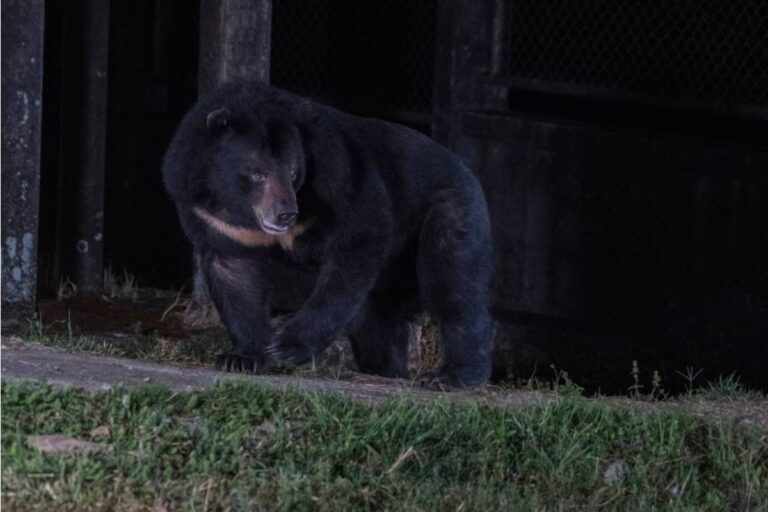
Michael Gero watched a black bear eating one of his chickens in his Granby, Connecticut, yard on the night of Sept. 25, and then he shot it. State environmental police charged the 39-year-old with illegally taking a black bear. Two weeks later, on Oct. 9, prosecutors in Torrington dropped the charge, saying a prosecution would not serve the interests of justice.
The case has since become a test of where Connecticut’s bear law draws the line between a backyard flock and a family pet.
A broken enclosure and a call to dispatch
Gero called the Department of Energy and Environmental Protection’s emergency dispatch himself to report that he had killed a bear that was attacking his livestock, NBC Connecticut reported Sept. 27. DEEP Environmental Conservation Police found that the bear had broken into an enclosure and killed several chickens. Gero told investigators he saw it eating a chicken in his yard before he fired, and that he believed the same bear had killed his goats the month before.
He was charged with illegal taking of a black bear and scheduled to appear in Superior Court in Torrington on Oct. 9.
Why prosecutors let the charge go
At that hearing, prosecutors declined to pursue the case. NBC Connecticut reported that the state pointed to Gero’s lack of any criminal history and to the steps he had taken over several years to keep the bear away, including fencing and electric fencing, and his work with state environmental officials.
His attorney, Timothy Brignole, said the bear had killed a pet goat named Ferdinand, injured another goat and killed chickens, and that Gero reported the shooting to state officials afterward. Brignole told the station it was “a problem bear” and that Gero felt he needed to protect himself, his family and his pets. Gero said he was glad the case ended the way it did but wished it had never gone that far.
WFSB reported that Gero described the bear breaking through both an electric fence and a wooden fence. Brignole told that station it was a roughly 500-pound animal that had been preying on farms in the neighborhood, killing sheep, goats, chickens and turkeys and going after dogs, and argued that it “had to be eradicated.”
What Connecticut’s bear law allows in a backyard
Connecticut does not have a bear hunting season, and its 2023 bear law, Public Act 23-77, sets narrow exceptions. According to DEEP’s bear law FAQ, a person may kill a bear in defense of themselves or others, when a bear is entering an occupied building, or when they reasonably believe a bear is injuring or killing a pet that is otherwise controlled under state law. Those killings must be reported to DEEP, and law enforcement investigates each one. A killing that is not justified under the law can still be prosecuted.
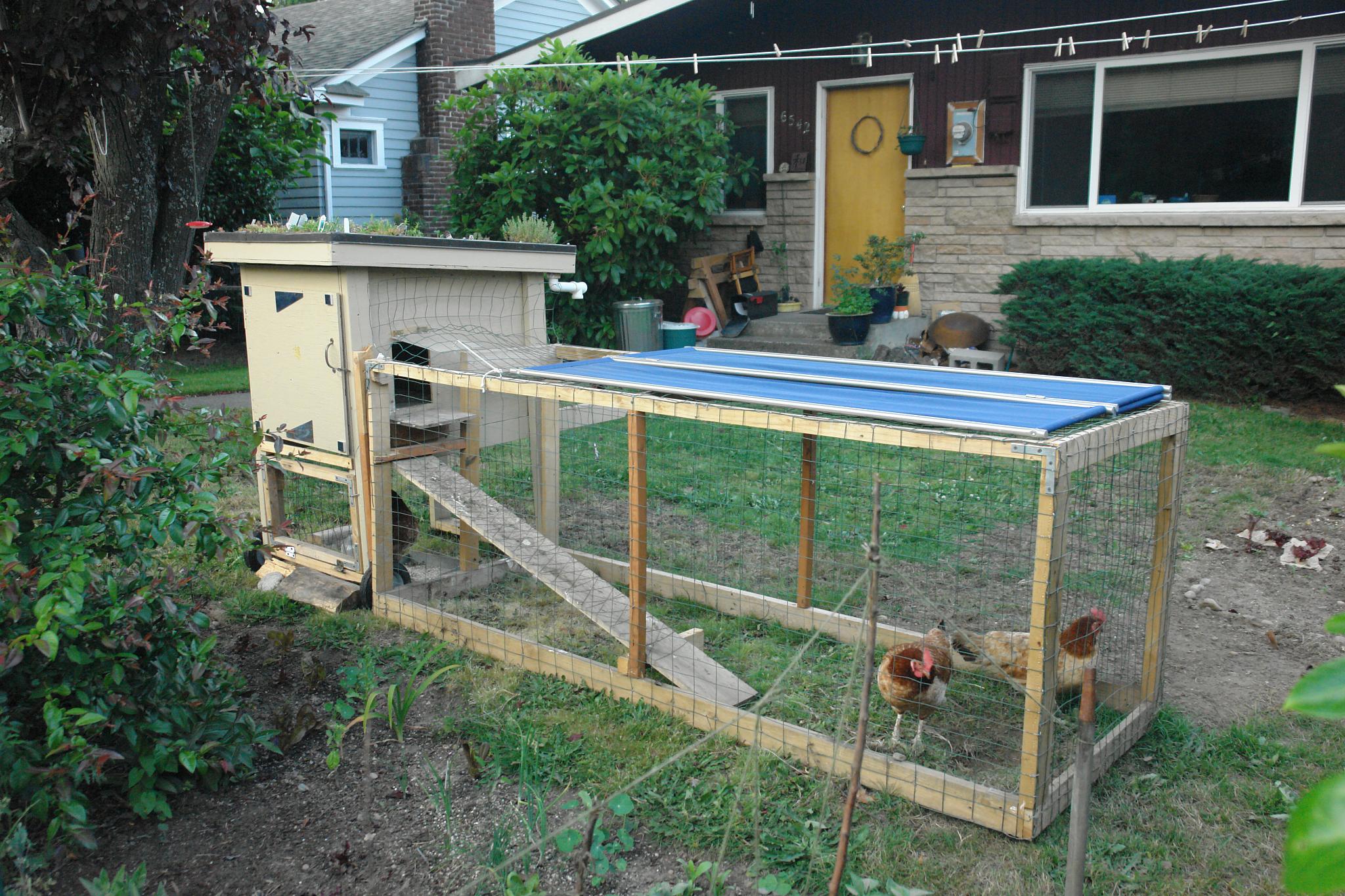
Chickens, goats and other livestock fall under a separate process. DEEP’s Black Bear Agricultural Damage Permit program lets the state authorize taking a bear that is damaging crops, livestock or beehives, but only after several steps. Owners must first use non-lethal methods, with electric fencing described as the most effective, along with secure feed storage and secure nighttime structures for animals. They must document the damage, consult a DEEP wildlife biologist who checks that the fencing was installed and maintained properly, and then apply with a notarized form. Approval is not automatic, and permits never cover cubs or bears with cubs nearby.
Lawmakers want the rules changed
The Granby case has renewed a debate at the Capitol. NBC Connecticut reported after the charge that DEEP’s 2026 “State of the Bears” report shows more encounters between people and bears, with unsecured trash and bird feeders among the causes and backyard chickens also a concern. State Sen. Eric Berthel, a Watertown Republican who voted for the 2023 law, told the station the rules are too restrictive and that landowners should not need state permission, or have to pay, to protect livestock. He has proposed a bear hunt 12 times without success.
State Rep. Mark Anderson, a Granby Republican, told NBC Connecticut the law should give homeowners more flexibility with problem bears, including recognizing some livestock as pets. Gero has also called for changes.
For backyard chicken keepers in the meantime, DEEP’s guidance stays the same: electric fencing around coops and pens, feed kept locked away, and a call to a DEEP biologist at 860-424-3011 or [email protected] when a bear keeps coming back. Bears taken under a damage permit are reported to DEEP’s 24-hour dispatch at 860-424-3333.
Elsewhere, bears have turned up in backyards with chickens and pets too, from a Salmon, Idaho, man who fought a bear in his back doorway after bears fed on a neighbor’s chickens to a Washington woman attacked while walking her dog in her backyard.
Get stories like this by email. Sign up for The Parent Diaries Letter.
This article was produced with AI assistance and edited for accuracy against the sources linked above.
Image: Josh Larios from Seattle, US – CC BY-SA 2.0/Wikimedia Commons