A Black Bear Attacked an Index, Washington Woman From Behind as She Walked Her Leashed Dog in Her Backyard, and Wildlife Police Later Killed Two Bears Raiding Trash in Town
Index sits where the North Fork Skykomish River runs out of the Cascade foothills, with Mount Index and the granite of the Index Town Wall rising over a town of just 155 people, the smallest municipality in Snohomish County. On the morning of Sunday, Oct. 25, a woman in that town stepped into her backyard with her dog on a leash, and a black bear came at her from behind.
She survived and made it back inside. Two days later, after a trap and a search with dogs came up empty, state wildlife police shot two bears that had been found raiding garbage in the middle of town.
The Sunday Morning Attack Behind an Index Home
According to a statement from the Washington Department of Fish and Wildlife (WDFW), officers got the report at about 7:50 a.m. The woman had been walking her leashed dog in her backyard earlier that morning when the bear attacked from behind and knocked her to the ground.
The bear kept biting and clawing at her while she was down, the department said. She was able to get into her house and call for help. Medics took her to a local hospital, where she stayed overnight with injuries WDFW described as serious but not life-threatening. She was released on Tuesday, Oct. 27.
The home is a rural property along Index-Galena Road near Highway 2, FOX 13 Seattle reported. WDFW told the station the woman may have surprised an adult bear and a cub. The department has not released her name or age.
A neighbor who gave only her first name, Bonnie, told FOX 13 that bears had been coming close to her property for weeks. She described one bear about three feet from her patio, a shed broken into for garbage, and a bear that stood up and growled at her children. “They are pretty hungry this year,” she said.
Tracking Dogs, a Trap, and Two Bears Up a Tree
Snohomish County deputies and WDFW officers responded on Sunday. Two bears had been seen in the area, one large adult and one younger bear, which WDFW said was possibly a sow with a cub. Officers brought in dogs to try to find the animals but did not locate them, and a trap was set in the area.
On Tuesday, Oct. 27, WDFW Police received a report of an adult bear and a juvenile bear up a tree directly behind a local business in Index. About 20 minutes before that call, a separate report had come in about bears digging through garbage cans at a nearby residence.
Officers and the department’s Wildlife Conflict Specialists found the two bears and saw trash directly under the tree. WDFW Police lethally removed both animals, the department said, and both will undergo disease testing.
The WDFW statement does not say the trap caught a bear, and it does not state outright that the two bears killed on Tuesday were the pair from the Sunday attack. It does note that state policy requires the department to lethally remove bears that are involved in attacks.
Why Washington Does Not Move Bears That Find Garbage
Moving a problem bear to the backcountry rarely solves anything, the department explains in a post on why more black bears cannot be relocated after conflicts. Bears that learn to eat garbage, birdseed, pet food or chicken feed keep coming back and can lose their fear of people. Long-distance relocation of these habituated bears is typically unsuccessful, WDFW says, and mother bears can teach the habit to their cubs.
Removing one bear also does not end the problem. If the food stays out, other bears move in. Rehabilitation is used only for orphaned cubs, because learned food habits in older bears cannot be undone.
Washington has about 22,000 black bears, according to WDFW, and they live across most of the state outside the dry interior of the Columbia Basin. The department receives an average of 500 black bear reports a year, from simple sightings to encounters. WDFW says more than 90 percent of human-bear conflicts come from bears learning to link people with food, and that 95 percent of calls to its offices involve trash, pet food, bird feeders or poorly stored food.
Late fall is a risky stretch. WDFW notes that bears may look for food around homes as they prepare for hibernation, which is the season Index is in now.
Bird Feeders, Grills and Trash Cans in a Bear Town
For homeowners in bear country, most of the prevention happens in the yard. WDFW recommends keeping garbage in a shed, garage or fenced area with tight-fitting lids, or in a bear-resistant container, and putting it out shortly before pickup rather than the night before. The department also advises taking down bird feeders, including hummingbird feeders, picking ripe fruit off trees, freezing meat and fish scraps until trash day, and keeping chickens and goats in roofed enclosures.
BearWise, an education program of the Association of Fish and Wildlife Agencies that is funded by state wildlife agencies, lists six basics for homes in bear country: never feed or approach bears; secure food, garbage and recycling; remove bird feeders when bears are active; never leave pet food outdoors; clean and store grills and smokers; and alert neighbors to bear activity. The program says birdseed and grain are high in calories and very attractive to bears, and that removing feeders is the best way to avoid conflicts.
Readers who have followed earlier stories here, like the neighbor whose bread for the birds drew wildlife into a vegetable garden or the dispute over whether a vegetable garden was drawing bears, will recognize the pattern: food in the yard brings animals to the yard.
What Officials Say to Do When a Bear Is Close
The Index attack happened during an ordinary walk with a dog, and BearWise’s guidance on bear encounters includes a step that fits that moment: check the yard for bears before letting dogs out. The program says surprising a bear at close range is the most common cause of injuries, and that a mother with cubs can be especially defensive.
WDFW’s advice in its Index statement is plain. Do not run from a bear. Back away while avoiding direct eye contact. If a bear approaches, the department’s species page says to stand tall, raise both arms and talk in a low voice, then clap, stomp and yell if it keeps coming. Climbing a tree is no escape, since black bears climb well. If a black bear makes contact, WDFW says to fight back aggressively, aiming at the eyes or using bear spray.
WDFW also recommends keeping bear spray within reach. In its explainer on bear spray, the department says to fire a short burst of three to four seconds when an animal is 20 to 30 feet away, aim slightly below the face, and carry the can in a hip, chest or waistband holster rather than inside a backpack. A 10-ounce can, the recommended size, delivers about 8 to 10 seconds of spray, and typical prices run $35 to $50.
Get stories like this by email. Sign up for The Parent Diaries Letter.
This article was produced with AI assistance and edited for accuracy against the sources linked above.
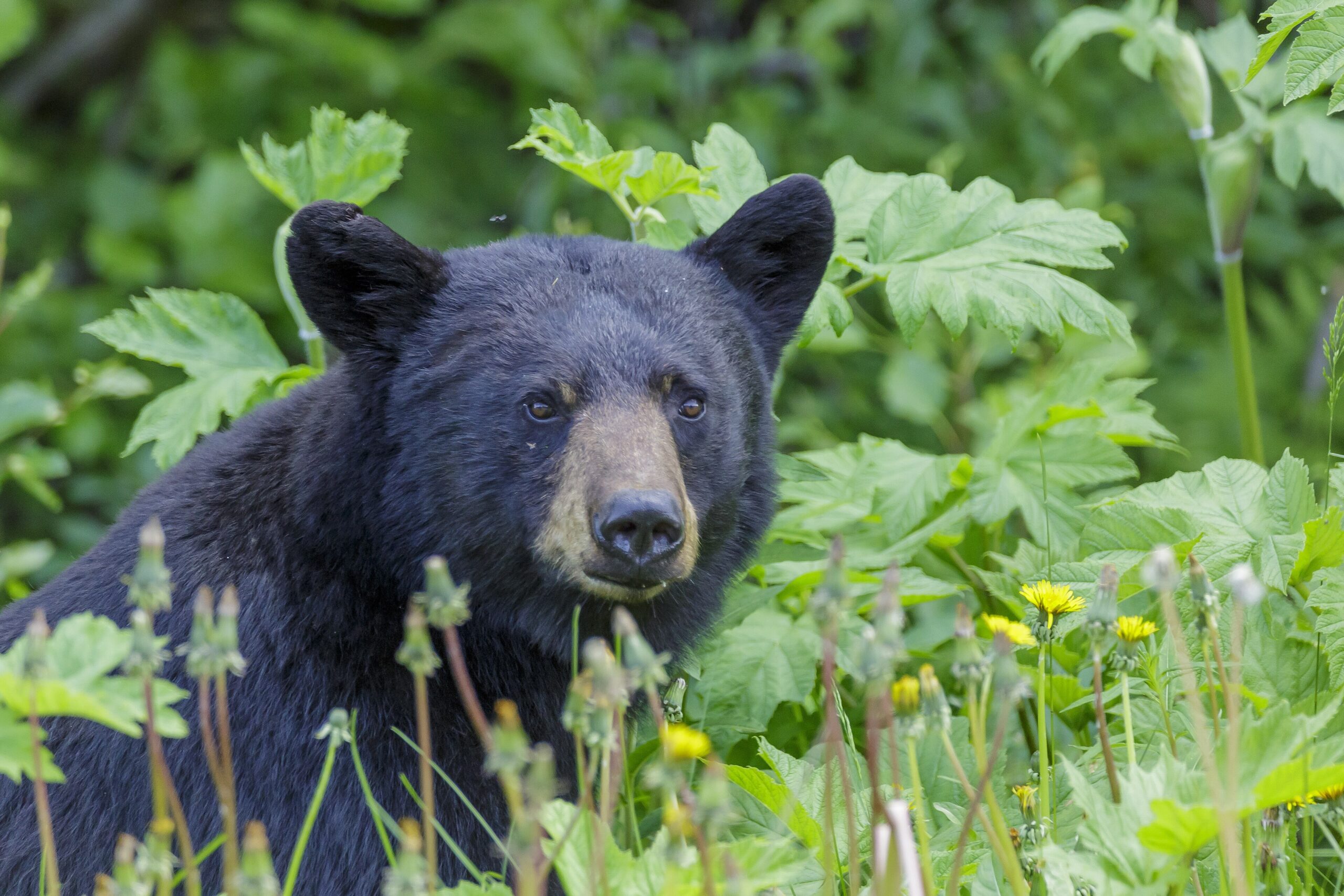
Image: Thomas Fuhrmann, CC BY-SA 4.0, via Wikimedia Commons