An Environmental Science Teacher Cited Colorado Law When the HOA Balked at the Risers Keeping a New Heat Pump Above the Snow. Then the Committee Stopped Answering.
The plan was simple enough for a homeowner who teaches environmental science for a living: install a heat pump, and set the outdoor unit on risers so Colorado snow would not bury it. The homeowners association’s architectural committee had a problem with the risers.
So the homeowner wrote back and pointed to state law. After that email, the committee went quiet for several days, The Cool Down reported.
A 38-Inch Unit and a Foot of Snow Clearance
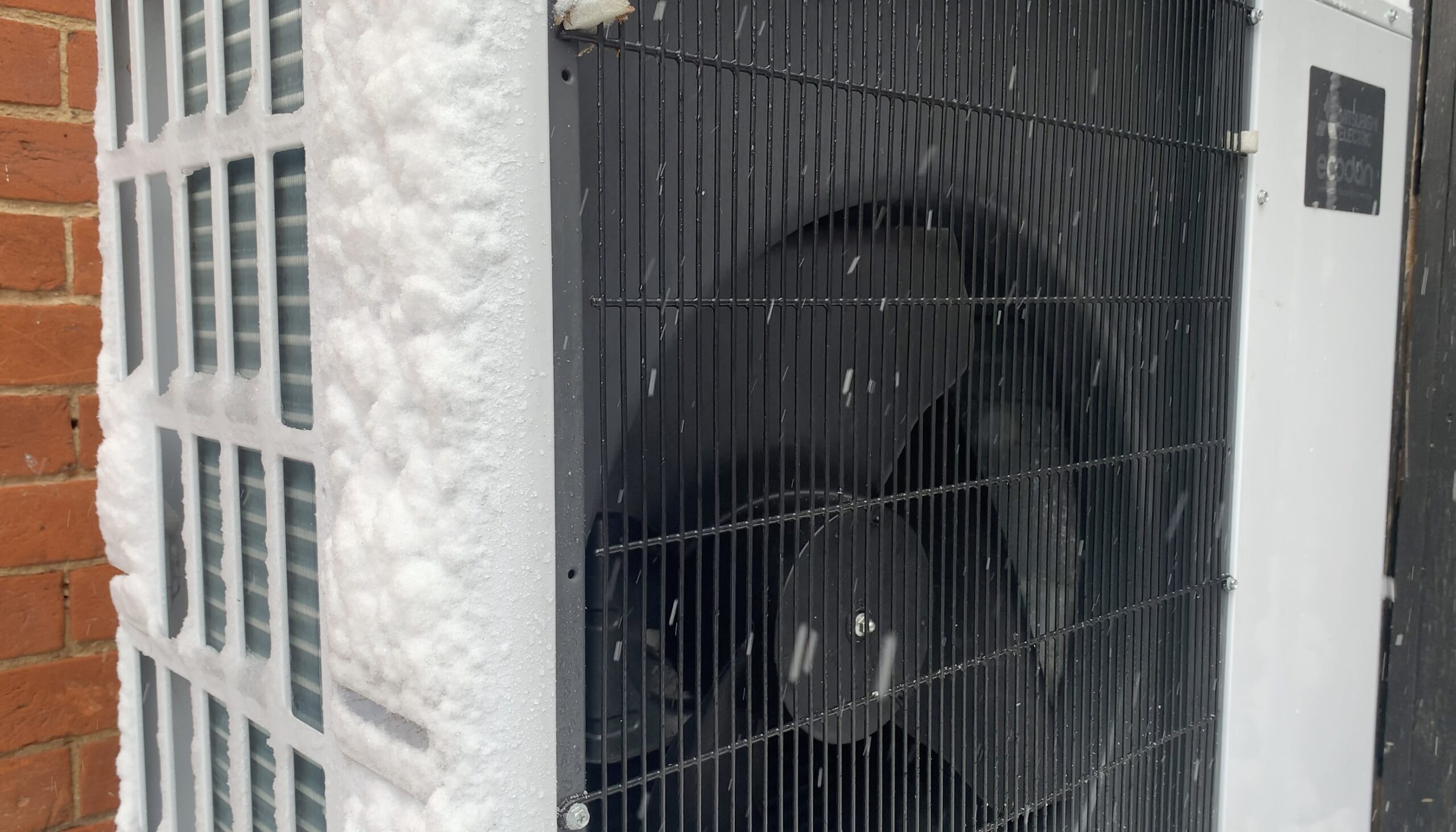
The home is in Arapahoe County, in the Denver suburbs, where winter storms can pile snow against anything sitting on the ground. The homeowner’s plan called for a single-fan outdoor unit standing about 38 inches tall, with about a foot of clearance underneath.
The homeowner said a single-fan model was all the house needed. That kept the setup well short of larger installations. Some elevated two-fan systems can reach five to six feet in total height, the outlet noted.
The risers are not decoration. Air-source heat pumps draw heat from outdoor air, and the outdoor unit has to keep working when snow falls, a point the U.S. Department of Energy makes in its guidance for homeowners. People who answered the homeowner’s question online made the same case, citing snow clearance and drainage of the meltwater the unit sheds when it defrosts. One said their own unit sits on a 12-inch riser.
Why the Homeowner Brought Up State Law
The homeowner’s email cited a Colorado law that, by the homeowner’s account, bars HOAs from rejecting clean-energy appliances on aesthetic grounds. The Cool Down reported that as the homeowner’s claim. Colorado’s statutes and the bills lawmakers pass each session are published by the Colorado General Assembly.
The homeowner was careful to say the reference was not a lawsuit threat. The point, according to the homeowner, was to help the board understand heat pumps and why the outdoor unit needs to sit up off the ground.
Colorado homeowners with questions about association rules can contact the state’s HOA Information and Resource Center, run by the Colorado Division of Real Estate, which collects information and complaints about common-interest communities. The Colorado Energy Office has been encouraging heat pump adoption across the state.
Then the Committee Went Silent
After the email went out, the architectural committee did not reply for several days.
Rather than escalate, the homeowner proposed a way to keep the same confusion from coming up again: written guidance spelling out what the committee expects when an owner wants to install a heat pump. The homeowner said the goal was to settle the matter without hiring an attorney.
The homeowner had first gone looking for advice on how to get the project approved without escalating the dispute. The responses focused on practical detail, from riser heights to drainage, rather than on a fight with the board.
A Growing Question for HOA Boards
Heat pumps are becoming a more common sight beside American homes, and more owners are replacing furnaces and air conditioners with them. That puts more architectural committees in the position of judging outdoor equipment they may not know much about, including how high it has to sit in a snowy climate.
HOA approvals have been a sore spot in plenty of homeowners’ lives, from a Florida veteran whose trellises were called fences to Masha Davis’s six-year fight over a backyard office.
In this case, the dispute comes down to about a foot of height under a 38-inch box. That foot is meant to keep the unit clear of the snow. As of the report, the committee had gone several days without answering the homeowner’s email.
This article was produced with AI assistance and edited for accuracy against the sources linked above.
Image: PeterEastern – CC BY-SA 4.0/Wikimedia Commons