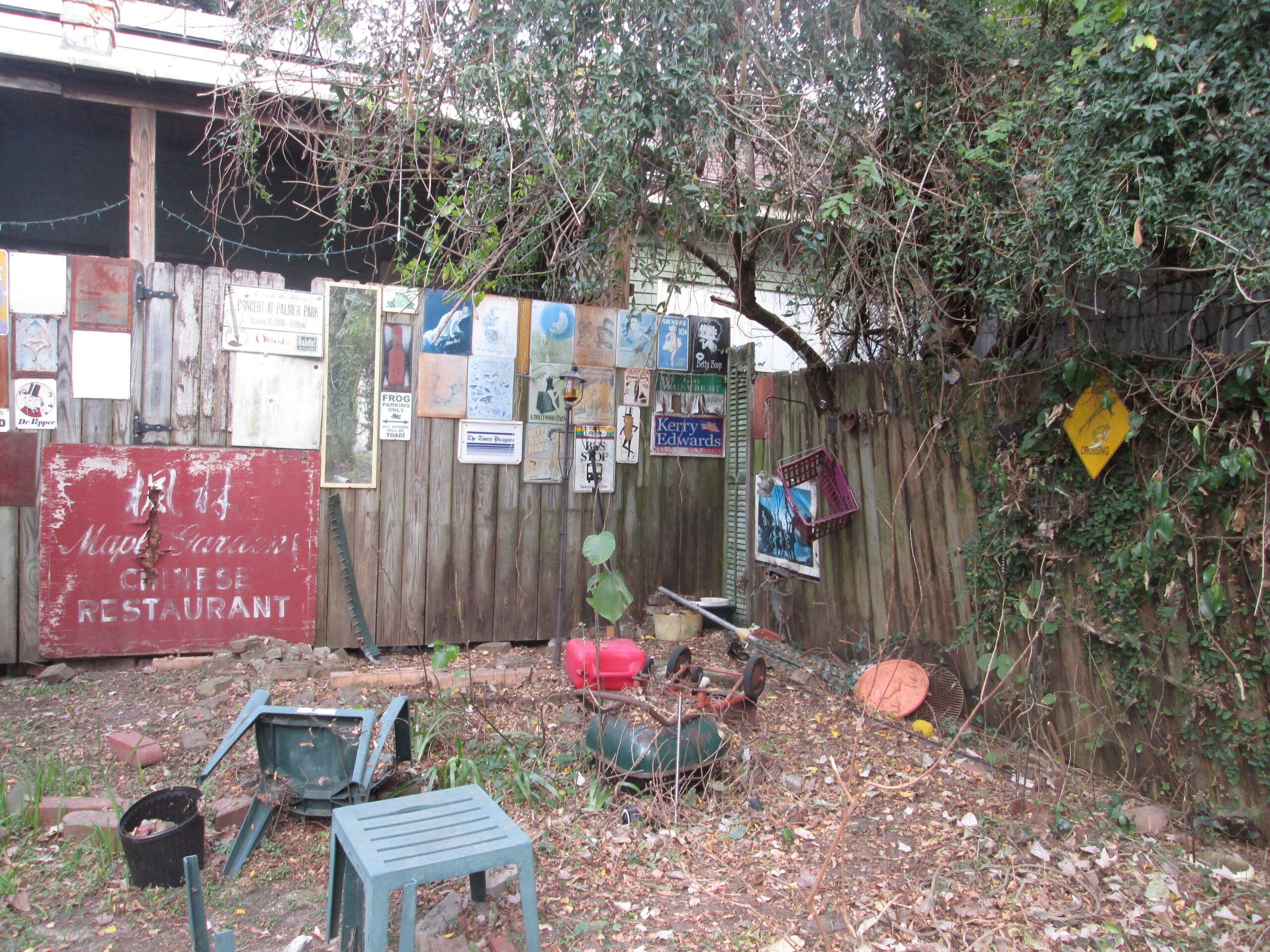
Their HOA Approved the Backyard Fences Years Ago. Now Sun City Center Homeowners Are Being Told to Tear Them Out, and One Refused a $625 Bill to Remove Hers.
Laura Burns-Sierra says she did everything the right way. In May 2021 she got written approval from her homeowners association, hired Home Depot to build a backyard fence, and lived behind it for five years, according to a Realtor.com report published Nov. 20. This fall, her neighbors in the Cypress Mill community in Sun City Center, Florida, were told their fences have to come out.
The order did not come from the HOA. It came from the community development district, which says the fences sit on drainage easements. When maintenance contractors showed up at Burns-Sierra’s house and asked for $625 to take her fence down, she refused to pay. Eleven properties are affected, and owners are being told to cover the cost themselves.
Fences Approved in 2021, Notices in September 2026
Around Sept. 1, 2026, residents were told their fences encroached on a drainage easement and had to be removed by Sept. 18. The district’s board had discussed the issue on Aug. 13, and a later review turned up 11 properties with fences or other structures in drainage easements.
Burns-Sierra, who said she “followed the procedures to the T,” wanted time to look into the district’s authority before paying anyone to tear out her fence. ABC Action News in Tampa Bay added that she is a disabled veteran, that the fence cost nearly $8,000, and that she paid it off over two years on a credit card. She told the station that police said the crew had no court order.
The situation is not limited to one yard. The station reported that Christopher Delgado, who rents a home in the neighborhood, also denied a crew access to take down a fence that is partly affected. Other neighbors have already complied, and at least one fence came down after a district letter arrived.
The Garden Victor Abreu Lost
For some neighbors the fence was only part of the cost. Victor Abreu had written HOA approval for a gate linking his home to a neighbor’s fence. After the district demanded the structure be removed or moved, he paid a contractor $1,000 on Oct. 19 to build a new fence section closer to his house.
The move cost him his garden, which he put at about $1,500. The new line sits 15.5 feet inward, and he lost plants and bushes, with his irrigation affected as well. Abreu said blame is shared by the HOA and the district, roughly 50-50.
What the District Says About the 15-Foot Easements
The Cypress Mill Community Development District is a local government body. Public filings show it was established in 2018 under Chapter 190 of the Florida Statutes by a Hillsborough County ordinance, and its five-member board is elected by property owners in the district. Under Chapter 190, a district may hold public easements and build, operate and maintain water management and control facilities.
In a written statement, the district said it must maintain its stormwater system and keep lawful access to the ponds. It said a current vendor found fences blocking designated easements, leaving one pond without a legally established access route. Letters to homeowners describe a 15-foot drainage easement running from the road to a stormwater pond, and the district says recorded plats prohibit permanent improvements there, fences included.
The district also says HOA approval does not authorize an encroachment or waive its easement rights, and that residents who asked for more time received extensions. Its counsel, Whitney A. Sousa, said the easements ideally “would have been identified during the HOA’s review process.” The district said it plans to work with the HOA on approval requirements going forward.
Why Two Approvals Can Point in Opposite Directions
Florida law gives homeowners associations a defined role. Section 720.3035 of Chapter 720 lets an association or its architectural committee review a structure’s location, size and appearance only as far as the community’s governing documents state or reasonably imply. That is separate from the district’s easement rights.
Attorney Jonathan Ellis, who has HOA experience and is not involved in the dispute, said HOA approval does not necessarily authorize building inside an easement. He advises owners to check recorded plats, surveys and easement documents before putting up a fence, patio or pool.
The Southwest Florida Water Management District explains why the ponds matter: they catch runoff from roofs and streets, and they only work as designed when they stay unobstructed. In many communities, an owners’ association or a community development district maintains them.
What Neighbors Are Asking Next
The district says affected homeowners must pay to remove or relocate their fences, and that those costs should not be spread across district assessments. For families who paid for a fence and a garden bed behind it, that leaves a bill for work they were told in writing was allowed.
Homeowners say the HOA never told them about the district’s easement rules, and they question why the district is acting now. Abreu supplied photos showing a previous contractor reached the pond by boat from another route. Whether the district will look for a different access route is not answered in the coverage.
Burns-Sierra and renter Christopher Delgado have both turned crews away so far, and the district says it does not plan to remove fences before extensions expire. For owners nearby, the Cypress Mill case shows how a fence that clears one board can still run into another. Similar HOA fence disputes appear in a Laredo case over hogs and in a fence that turned out to stand six inches off the line.
This article was produced with AI assistance and edited for accuracy against the sources linked above.
Image: Infrogmation of New Orleans – CC BY-SA 4.0/Wikimedia Commons