Grapevine Now Caps Lawns at 6 Inches, but Yards Certified Under the City’s Free Native-Plant Program Are Exempt
Tall native grass has finally earned a legal place in Grapevine, Texas, front yards. The Grapevine City Council voted on Nov. 3 for a rewritten ordinance that caps grass at 6 inches at homes and businesses, but exempts yard plots certified under GROW, a new native-plant program that costs homeowners nothing, Community Impact reported. Grapevine’s old code also set a six-inch limit, but it had no certification program for native yards.
Anyone who skips the program still has to keep grass at 6 inches or under. A violation is a misdemeanor, with fines of up to $2,000 per offense, and each day a violation continues counts as a separate offense, according to Community Impact’s account of the ordinance.
What the Council Changed on Nov. 3
The updated rule sets the 6-inch limit for both residential and non-residential properties. It also separates the rules on grass from the rules on trash and adds definitions, changes meant to make clearer what counts as a violation and to streamline enforcement, Community Impact reported.
Three kinds of land are exempt from the height limit: certified GROW plots, land used for agriculture such as farming, and lots over two acres on private streets.
The council had set the item aside once before. At an Oct. 7, 2025 meeting, residents and officials said the old wording was unclear, and Mayor William D. Tate said he was unsure about rushing a measure that wasn’t ready, according to Community Impact.
A Native Yard That Kept Drawing Complaints
City documents say GROW was created in response to residents’ requests at that 2025 meeting. Before it, at least one native yard had spent close to two years in the code-enforcement system. Tim Yatko, a Master Gardener and Master Naturalist, replaced the turf grass at his Grapevine home with native plants in 2012, and some of them grow two to four feet tall, Green Source DFW reported in March 2025. He cuts them back each February.
At the time, Yatko told the outlet he had been fighting citations for overgrown vegetation for nearly two years and never knew whether another violation letter would arrive. He said the code never defined “grass,” “weed” or “cultivation,” which he argued made enforcement subjective and made it easy to cite and fine residents.
Green Source noted that Dallas, Fort Worth and Arlington allow 12 inches, double Grapevine’s limit. City Attorney Matthew Boyle told the outlet then that the code “already addresses non-traditional landscaping choices,” and said possible updates would be considered within a month or two. Yatko said support for a code revamp was growing among residents.
Disputes like this have played out elsewhere, including the case of a Tennessee man whose three-year native garden was mowed down after his appeal went astray, and a homeowner fined for letting her pollinator flowers grow.
How a Yard Gets GROW Certified
GROW stands for “grow native, restore habitat, optimize natural resources and beauty, work together.” It is run by the city’s Parks and Recreation Department with the Grapevine Garden Club, a nonprofit whose members already plant and tend public gardens and trails around the city, teach third graders about trees and hold an annual plant sale that funds horticulture scholarships. The club’s next general meeting, on Nov. 17, features Betsy Marsh, conservation supervisor for the Tarrant Regional Water District, speaking on “Natives that Play Nice!”, a talk on Texas plants suited to well-kept home gardens.
The steps, as Community Impact described them:
- Attend an educational workshop.
- Work with volunteer gardening experts to submit a planting plan.
- Install the plants, then request a certification inspection.
- Display the yard sign that certified yards receive.
- Recertify every three years and follow the approved plan.
The city’s council documents for Ordinance No. 2026-077 add that participants must list every annual and biennial plant or seeding on the property along with its planting date, and that the sign must be visible from the street. The exemption covers the certified planted areas, which a staff memo says could be part of a property or potentially a whole property, and it lasts only while the owner stays in good standing. A yard that falls out of the program loses the exemption and becomes subject to mowing and abatement under the regular code. Parks and Recreation sends planning staff a list of certified participants every quarter.
Planning services director Erica Marohnic said the parks department will work with an owner whose yard slips out of compliance before code enforcement steps in, according to Community Impact.
When Homeowners Can Sign Up
The program launches Jan. 6, 2027, at an ECO Talk at The REC of Grapevine, 1175 Municipal Way, from 7 to 8 p.m., according to Keep Grapevine Beautiful’s event listing. City staff will introduce GROW, and Master Gardener Carol Clark will speak about how native plants support birds, insects and pollinators. Registration opens one month before the event, and the listing names city staffer Cindy Harris as the organizer. Clark’s talk will also cover how some non-native plants can change local ecosystems in ways that harm native plants and animals.
After the kickoff, parks and recreation planning manager Kathy Nelson said residents can sign up for and attend seasonal workshops on Feb. 20 and Aug. 7, Community Impact reported.
For homeowners who want taller native grasses or wildflowers out front, that means the plants can go in under the city’s watch rather than in defiance of it. For everyone else, the mower stays on the same schedule: 6 inches is still the line.
This article was produced with AI assistance and edited for accuracy against the sources linked above.
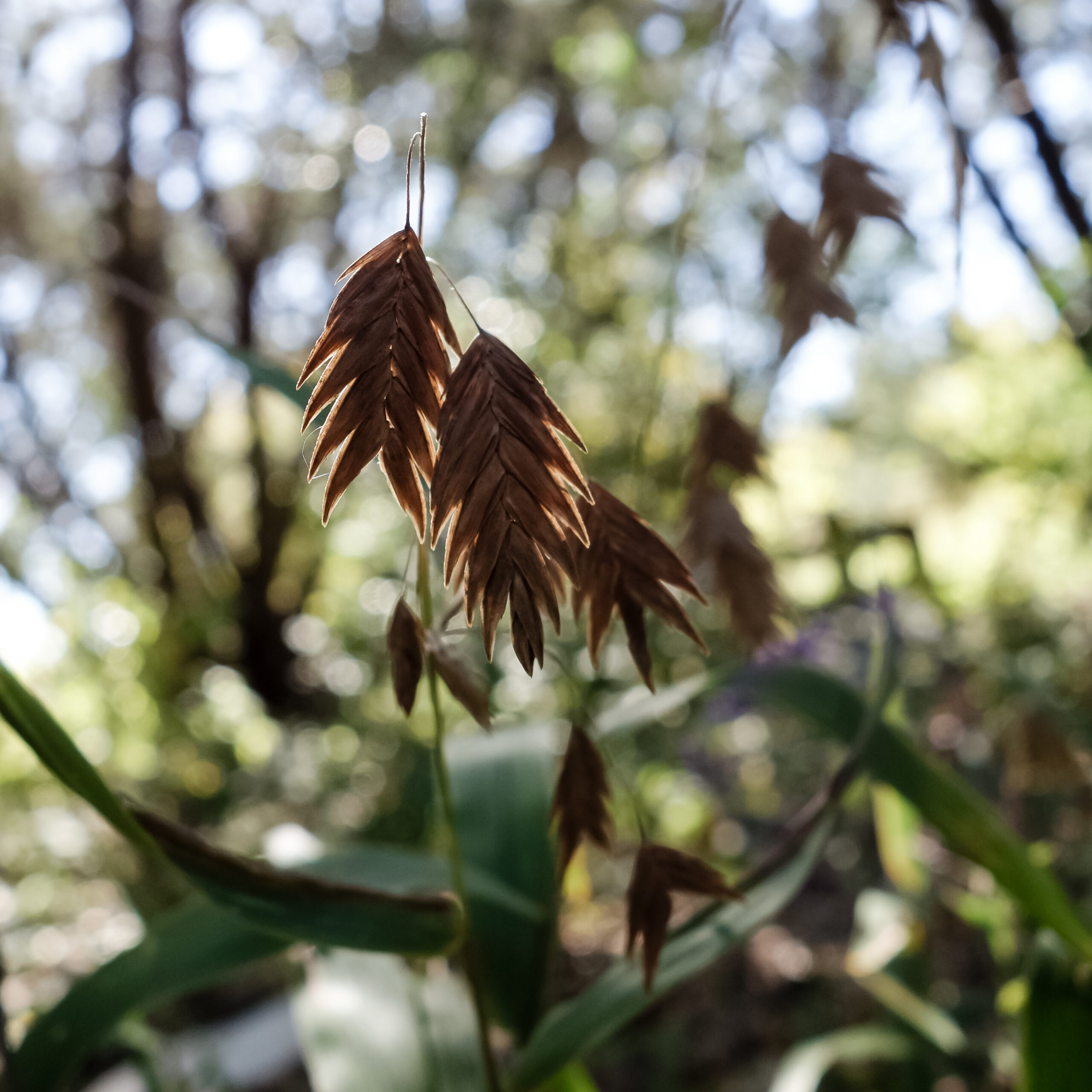
Image: smallcurio from Austin, TX – CC BY 2.0/Wikimedia Commons