New Neighbors Wanted a Couple to Pay Half of a Fence Built Before They Moved In, at Today’s Prices, Then It Turned Out to Stand Six Inches Inside the Neighbors’ Lot
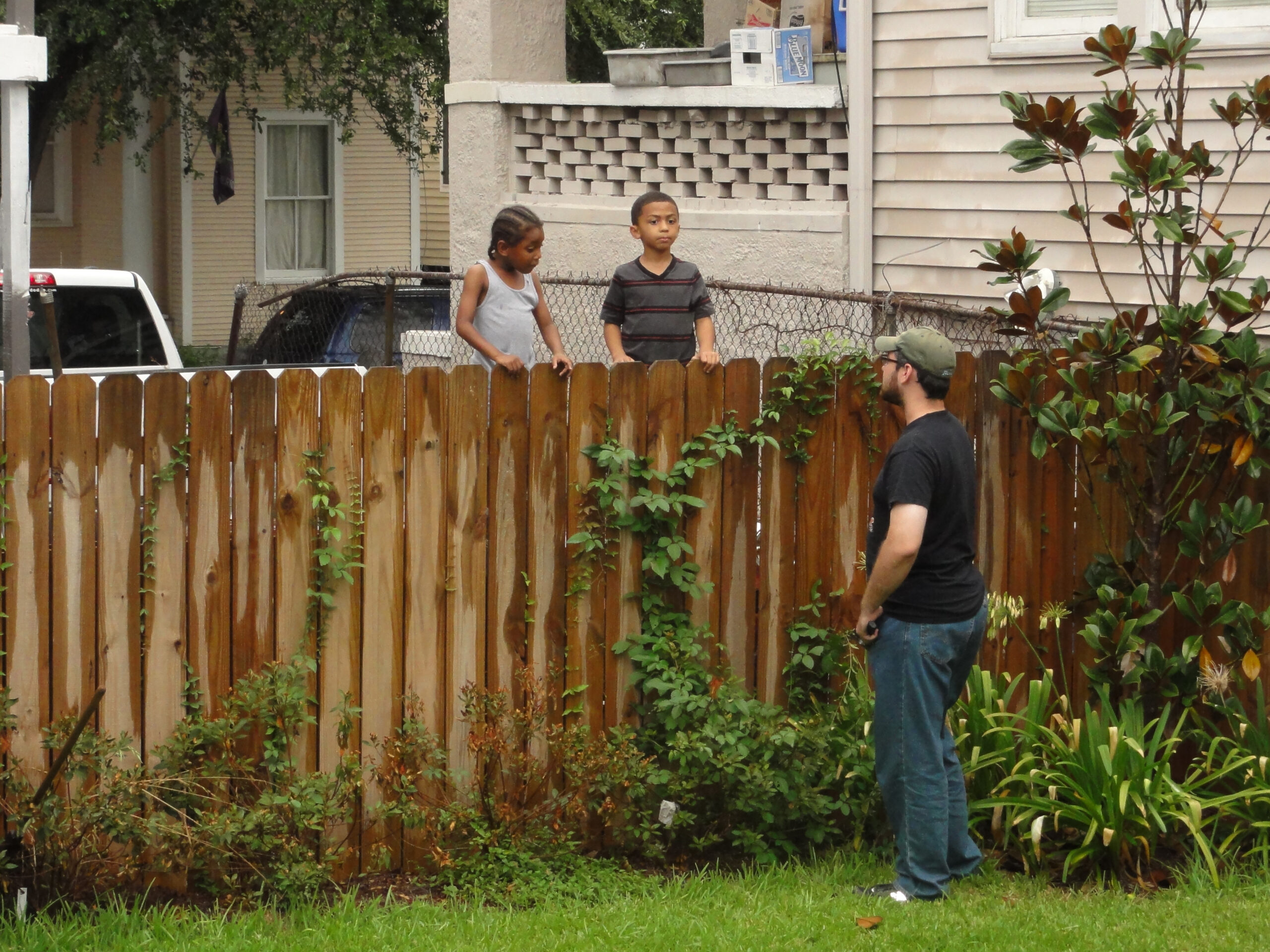
The backyard was bare when the couple bought their newly built house from the builder. Next door, the neighbors had already put up a fence months earlier, before the new home was even finished.
When the couple decided to enclose their own yard, the neighbors asked them to pay half of the fence section between the two lots, priced at what a contractor would charge today. Then the couple learned the fence was not on the shared line at all, according to Homedit.
An HOA Rule Left Them One Option
The couple’s homeowners association does not allow a second fence running parallel to an existing one. That meant they could not simply build their own line a few inches over and leave the neighbors’ boards alone. To close in the yard, they had to use the neighbors’ section that already separated the two backyards.
They had no say in that fence. The neighbors chose the contractor, the materials and the design, and the work was done while the builder still owned the lot the couple later bought. Nobody living in the couple’s house had agreed to anything, because nobody lived there yet.
A Quote the Neighbors Wouldn’t Share
Before the dispute hardened, the couple offered to split the cost using the original price per linear foot. The neighbors turned that down. They wanted a fresh estimate instead, and fencing material prices had risen since the fence went in.
When the couple asked to see the original quote, the neighbors refused to show it. No dollar figure was ever put in front of them for what the fence had actually cost.
California law firm Kimball, Tirey & St. John notes that a fence-building neighbor seeking contribution should keep copies of all contractor estimates to prove the price was the best value. In this case, the paperwork that would settle the question was the one thing the neighbors kept to themselves.
Six Inches That Changed the Question
In an update, the homeowner said the fence stands at least six inches inside the neighbors’ property rather than on the boundary. That detail matters for who owns it and who answers for its cost.
Cost-sharing rules in many places are written for fences on the line. Owners who share a boundary fence are generally treated as equally responsible for its repairs, and any cost-sharing deal should be put in writing, according to Angi. California’s Good Neighbor Fence Act of 2013, which updated an 1872 law, lays out a written notice that comes before the work, describing the problem, the estimated cost, the proposed split and the timeline, according to a summary from DeLeon Realty.
None of that happened here. The fence went up before the couple owned anything, on land that was entirely the neighbors’.
What Comes Next for the Backyard
The homeowner said she checked county and state law and found no obligation to reimburse the neighbors, though she did not say where the houses are. She wrote that the couple had decided not to pay the neighbors anything toward the fence.
Instead, the couple went back to the HOA to ask about other fencing options for closing in the yard. Fence fights that escalate can get expensive. Massachusetts land surveyor Shaine Bonin told Boston.com that boundary litigation generally costs around $40,000, while Somerville attorney Adam Dash said most fence disputes end with reasonable negotiation, sometimes with a surveyor mapping the strip and an easement recorded at the registry of deeds.
The Florida owners who had to tear out HOA-approved fences in Sun City Center are a reminder that even a signed approval does not always end the argument.
As of the report, the neighbors had not agreed to share the original price, and no resolution had been reached.
This article was produced with AI assistance and edited for accuracy against the sources linked above.
Image: Bart Everson – CC BY 2.0/Wikimedia Commons