Laredo Is Spending $400,000 to Go After Feral Hogs. In Sonterra, Pablo Cavazos Says His HOA Won’t Let Him Fence His Yard Against Them.
Pablo Cavazos has lived in Laredo’s Sonterra subdivision since 2018, and he says feral hogs come through the neighborhood almost every year. After a visit, the yards look like someone ran a tiller across them. His homeowners association doesn’t allow fences that would keep the animals out, so he has been trying everything else.
Laredo is now stepping in. On Nov. 2 the City Council approved a contract to track and remove feral hogs, KGNS reported. District 6 Councilmember Dr. Tyler King put the first-year cost at $400,000.
A yard that looks plowed overnight
Cavazos told KGNS the damage is “bad. Very bad.” He said he has tried cayenne pepper, mothballs and other home remedies without success. A fence is the obvious next step for many homeowners with this problem, but his HOA doesn’t allow one, so he can’t put a barrier around the lawn.
He isn’t alone. A resident of the Ruidoso neighborhood shared images with the station of hogs on their property and the damage left behind. At the council meeting, Councilmember Vanessa Perez said hogs were pulling holiday decorations out of neighbors’ yards and asked whether crews could start before Christmas.
Cavazos welcomed the plan, though he told the station it was overdue. He said he was glad the city was finally behind the effort.
How the $400,000 will be spent
The city hired Brewster Environmental Quality Services, a Laredo company. According to King, half of the first-year money goes to equipment the city keeps and the other half pays the contractor.
Crews will begin at North Central Park and then move to hot spots near Sonterra and San Isidro. City staff said the equipment should arrive in two to four weeks, with crews working in about 60 days, which puts the start around early January. Officials hope to move faster than that.
The city had wanted to start by Oct. 1, King said, but the money didn’t become available until the new fiscal year began. In the meantime, residents who see hogs can call 3-1-1 to report them, which helps the city map where the animals are showing up.
Why the hogs keep coming back
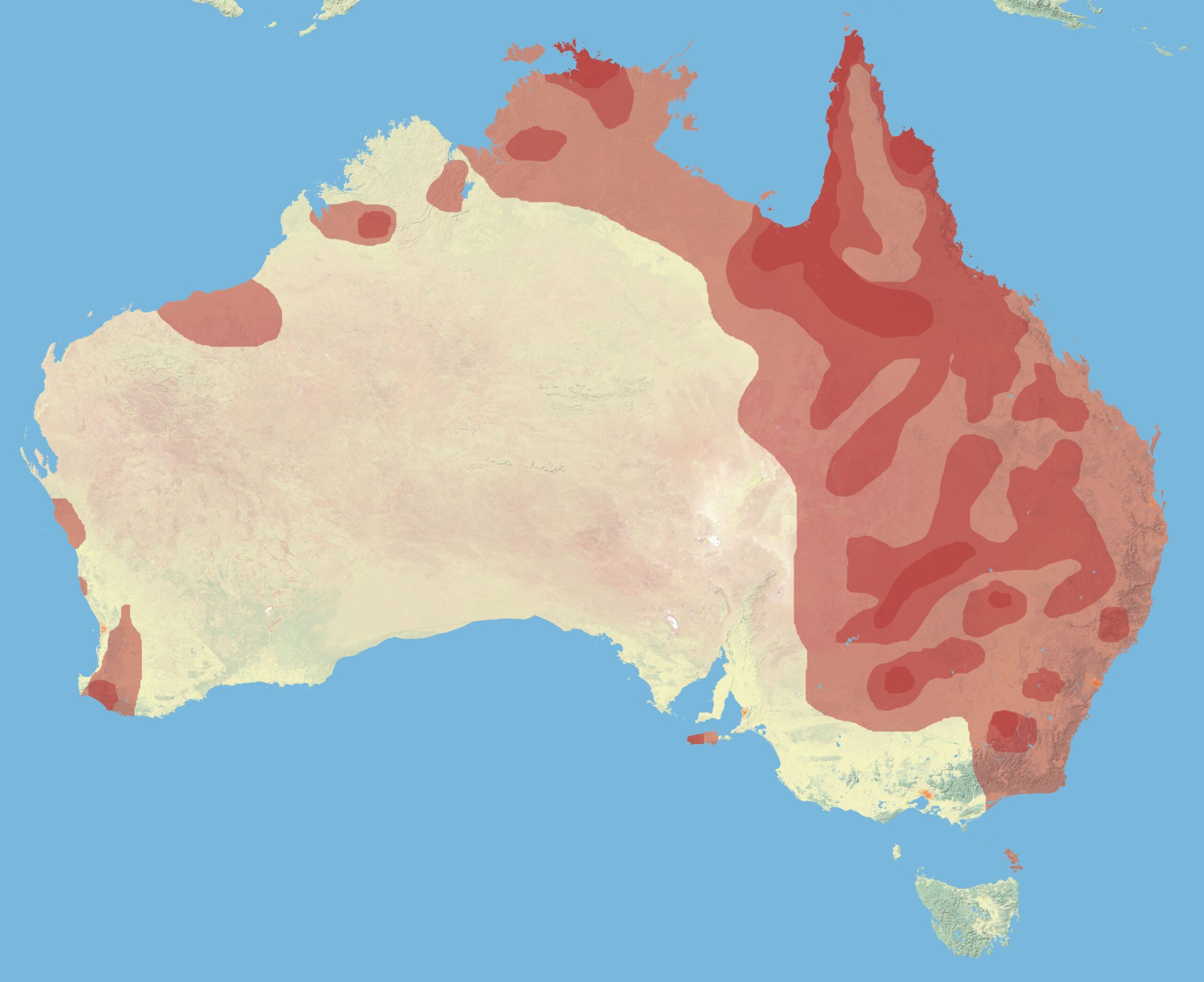
Feral hogs are an invasive species, not native wildlife. The Texas Parks and Wildlife Department estimates there are about 2.6 million wild pigs in Texas, out of 6.9 million nationwide, based on 2016 figures. The department also notes that moving the animals from place to place is illegal in Texas.
Texas A&M’s feral hog program says the animals root through soil for food and have no native predators in Texas to keep their numbers in check, so people have to control them. Rooting is what leaves a lawn torn up overnight.
The damage goes well beyond lawns. The U.S. Department of Agriculture’s APHIS puts the minimum yearly cost of feral swine damage in the United States at $3.4 billion. The agency lists “extensive rooting or digging” as one of the clearest signs hogs are around.
What works, and what a no-fence rule takes away
The tools that experts describe line up with what Laredo is buying. Texas A&M’s management guidance says corral traps can catch large numbers of hogs over time, and that selective shooting can remove the rest once catches fall off. It recommends combining several methods rather than counting on one.
The same guidance says some tools have worked to keep hogs out of small areas, and APHIS lists fencing among the options alongside trapping. Fencing is the one option Cavazos says his HOA has ruled out. For a single homeowner, that leaves home remedies or waiting for the city’s crews, which is why so many residents see the contract as their best chance.
Until the traps go in, Cavazos and his neighbors are left checking their lawns each morning. The city’s request is simple: when hogs show up, call 3-1-1 so crews know where to go first.
This article was produced with AI assistance and edited for accuracy against the sources linked above.
Image: Nrg800 – CC BY-SA 3.0/Wikimedia Commons