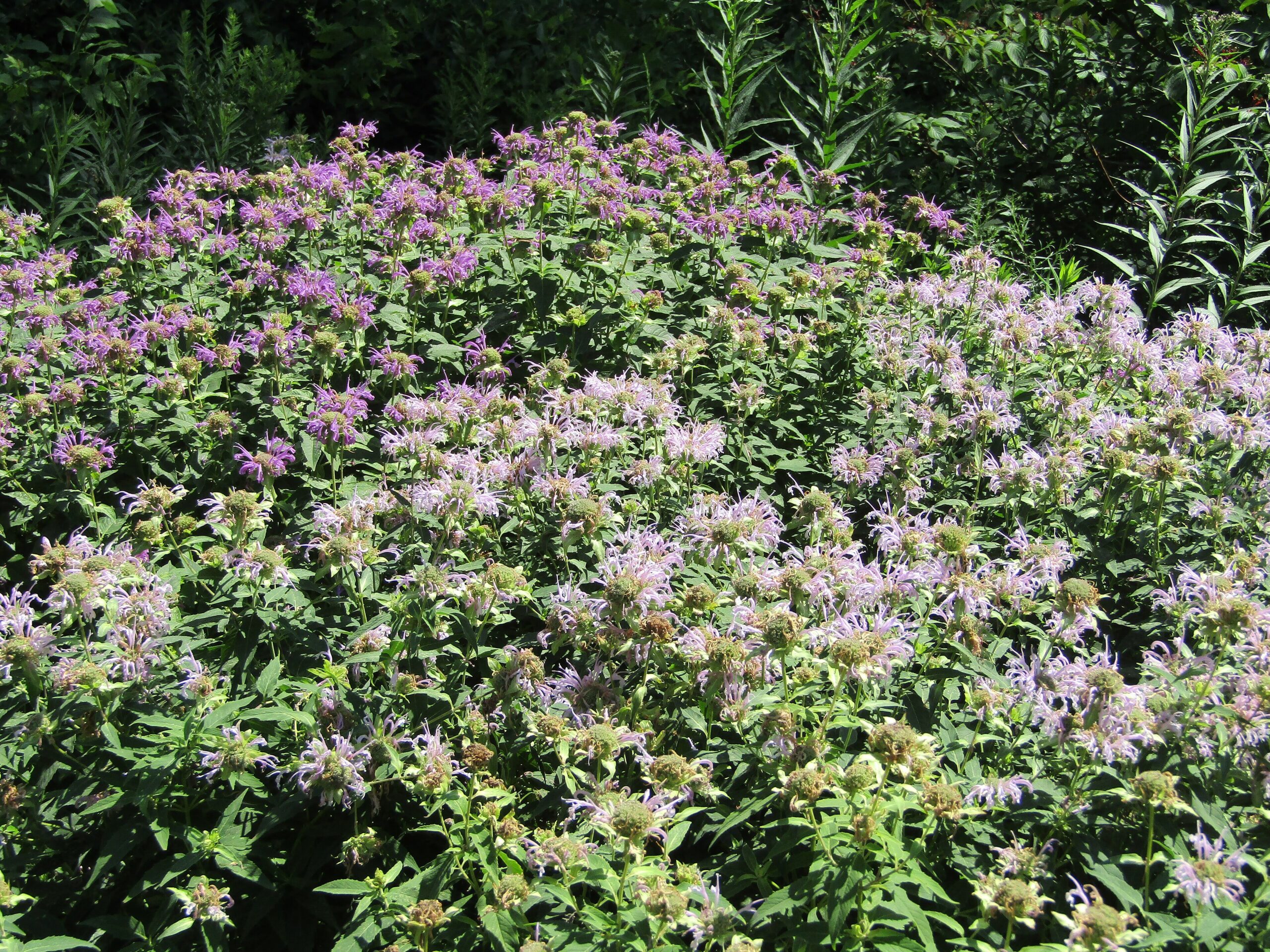
Monarda and Perennial Phlox Get Cut Back in November to Head Off Powdery Mildew, and Irises Go Down to About 5 Inches, Says The Spruce’s Seven-Plant Guide
Bee balm is usually the first plant to give itself away. By November, according to horticulturist Lorraine Ballato, monarda typically has powdery mildew, and the spores overwinter in the leftover foliage. That is the reason it heads the list in The Spruce’s November guide to perennials worth cutting back, which names seven plants and the experts who recommend trimming them.
The guide, written by Lee Wallender and published Nov. 8, 2026, leans on Ballato and on Lindsey Chastain. Their advice is specific about which plants are worth the trip outside and which are optional tidying.
Monarda goes first, and goes in the trash
Ballato says monarda rarely dies from powdery mildew but is stressed by it, and the disease carries over winter. Her instruction is to cut the plant down and put all of the foliage in the trash rather than the compost, including any dead pieces that have already fallen.
Extension sources back the sanitation step. Iowa State’s Yard and Garden team says to remove and destroy infested bee balm debris in the fall, and to divide plants every two to three years so crowded stems get more air. The same page recommends at least six hours of direct sun a day and spacing of 2 to 2.5 feet between plants, and it lists ‘Marshall’s Delight,’ ‘Jacob Cline,’ Grand Marshall and ‘Raspberry Wine’ as varieties less prone to the disease.
Perennial phlox gets the same November trim
The Spruce lists perennial phlox, the tall paniculata type, as another plant to cut back in November to avoid powdery mildew. Cutting it back, the guide says, should let it rebloom the following summer. No cutting height is given for either monarda or phlox.
Iowa State’s extension advice for phlox points the same direction: cut back and remove diseased debris in the fall to reduce the fungus that overwinters. The page, last updated in July 2025, also suggests moving shaded phlox to a sunnier spot, dividing crowded plantings for air circulation, and choosing resistant cultivars such as ‘Jeana,’ ‘David’ and ‘Delta Snow,’ while noting that resistance varies by region.
Purdue’s Rosie Lerner, writing for Indiana Yard and Garden, says bee balm and phlox are the ones to cut in fall because they are so often hit by mildew. Otherwise, she suggests waiting for several hard frosts and then cutting tops to about two inches above the soil.
Irises drop to about 5 inches, with a clean angled cut
Chastain advises cutting irises to about 5 inches in mid-fall, ideally in November, with an angled cut made by a sterilized tool. She cautions against breaking or pulling spent leaves, since that can damage the rhizomes. The reasoning is disease: dead iris leaves left through winter are discouraged.
Kansas State’s Ward Upham gives a similar reason in a garden sanitation article. Iris leaf spot fungus and iris borer eggs overwinter on old, dead leaves, he explains, so removing them cuts next spring’s problems. His version trims healthy leaves by half instead of down to 5 inches, so the exact height varies by source.
Peonies, hostas and daylilies
For peonies, Chastain recommends cutting to about 2 inches after removing all dead leaves, to prevent the spread of disease that can affect next year’s blooms. Hostas, according to both experts, get cut at the base once leaves turn yellow and spongy, which also removes shelter for slugs. Ballato notes that cutting them also affects winter cover for birds and frogs. Cuttings can be mulched and spread around the plants.
Daylilies are the most optional. Chastain says their leaves turn yellow and mushy by late fall, and cutting them at the base avoids a weathered look, though it is not essential.
Ornamental grasses get a haircut, and some plants wait
Ballato recommends only a light trim of ornamental grasses to remove seed heads, because many types are now considered invasive and self-sow when seed heads stay up through winter. If a gardener would rather not trim, she suggests replacing invasive grasses with native alternatives next season.
The advice is not universal. Lerner says most healthy perennials can stay standing over winter, since seed heads feed birds and stems shelter butterflies, and leftover stems help trap leaves and snow for insulation. Marginally hardy plants such as garden mums often survive better if they are cut in early spring. Her rule of thumb is that badly damaged or infested foliage comes off as soon as possible, while healthy plants can wait.
That is the thread running through the seven-plant list. The November cut is aimed at plants with a track record of disease, which is why the group is mostly the usual suspects for mildew and rot, and why a sterile blade and a trash bag matter as much as the height of the cut.
This article was produced with AI assistance and edited for accuracy against the sources linked above.
Image: “Monarda (Bee Balm)” by Leonora (Ellie) Enking, licensed CC BY-SA 2.0, via Wikimedia Commons.