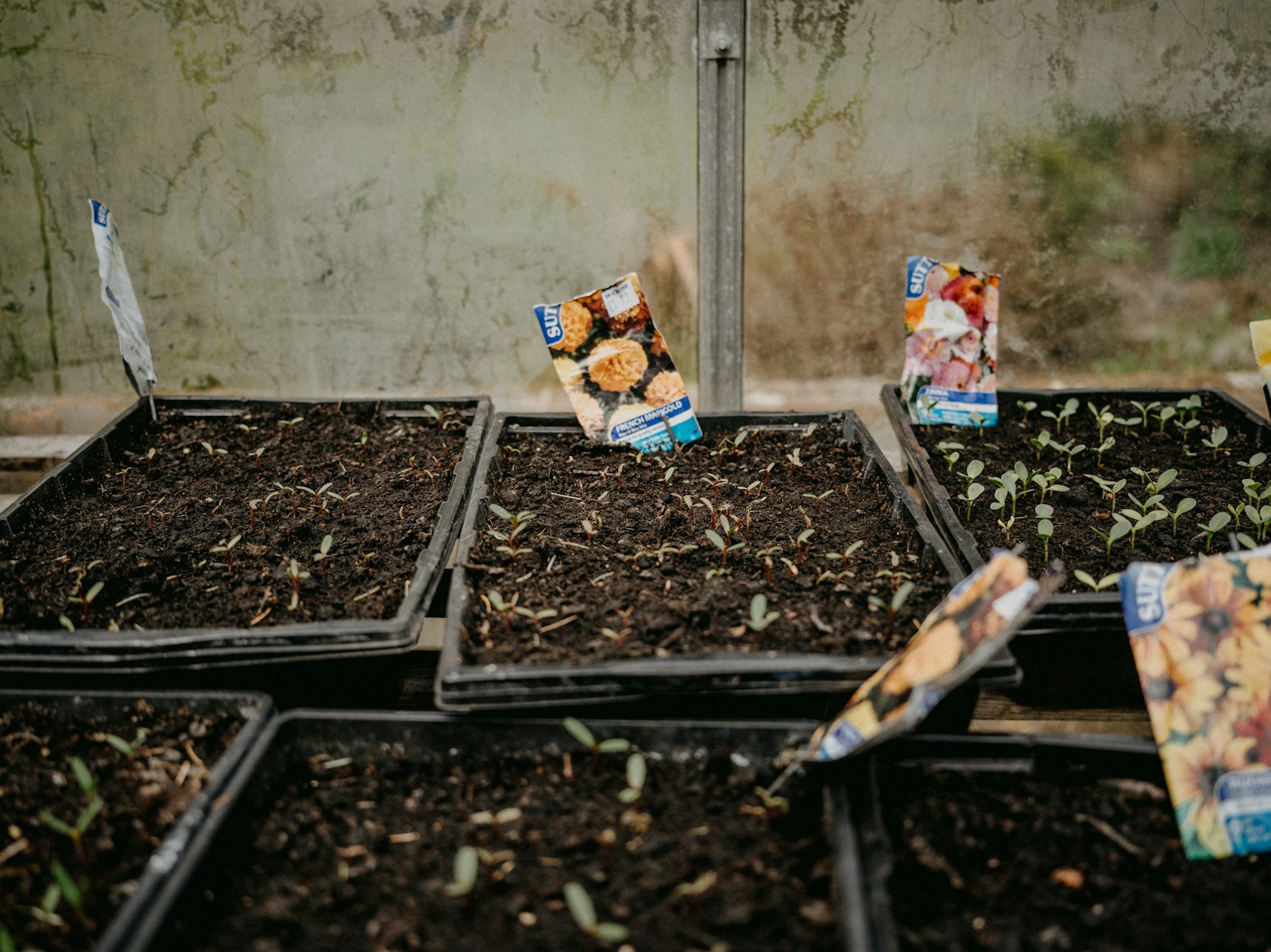
A Gardener Found Dollar Tree Seed Packets Marked Down to a Penny and Bought 957 of Them for $9.57. The Store Manager Got Homegrown Vegetables in Return.
Nine hundred fifty-seven seed packets, one cent apiece. That was the haul a gardener carried out of a Dollar Tree after finding the store’s seed stock pulled from the sales floor and marked down to a penny.
At full price the packets would have cost $478.50. She paid $9.57, and the deal ended with the store manager getting homegrown vegetables.
701 Flowers, 256 Vegetables and Herbs
The gardener shared the find in Reddit’s gardening community, and Homedit’s Stefan Gheorghe wrote it up on Nov. 21. Of the 957 packets, 701 were flowers and 256 were vegetables and herbs.
The manager overheard her talking about the markdown and brought out more, including an unopened display of flower seeds. The manager apologized that there were no more vegetable seeds left.
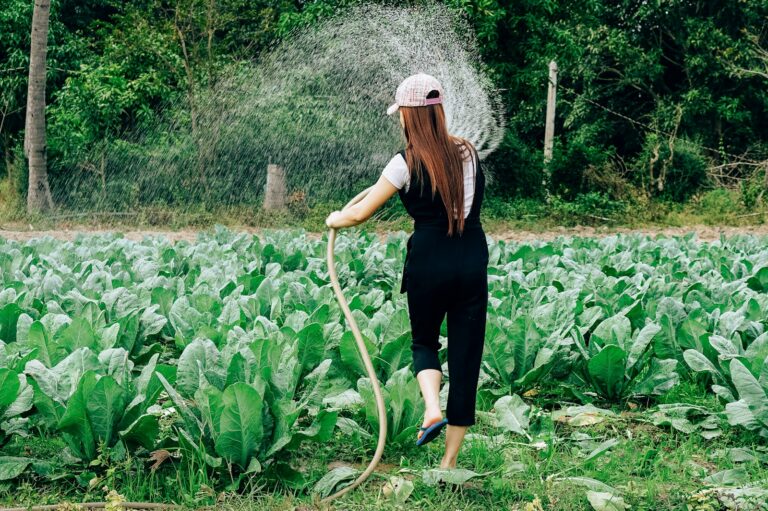
The gardener joked that she had just walked off with an entire flower farm and offered to bring the manager vegetables from her garden. The manager took her up on it.
Tomatoes, Jalapeños and Basil for the Manager
When she came back with fresh produce, the manager had found more vegetable seeds after all and packed them into gift bags for her. Homedit summed up the final trade as “a penny a packet, plus some homegrown tomatoes, jalapeños and basil.”
The story does not say what she plans to do with nearly a thousand packets. It does carry one practical warning for anyone tempted by a clearance rack: check the year printed on each packet before planning a whole garden around it.
How Long Clearance Seeds Stay Good
That warning matters because seed does not last forever, and some kinds fade much faster than others.
Parsley and onion seed usually stay viable only one or two years, while watermelon and cabbage can last four years or more, retired Illinois Extension horticulture educator Rhonda Ferree wrote. The date on the packet is the best clue to a seed’s age.
Iowa State University Extension gives rough lifespans under ideal storage: about 1 year for onions, 2 for corn and peppers, 3 for beans, carrots and peas, 4 for squash and tomatoes, and 5 for broccoli, cabbage, cucumbers, lettuce, radishes and spinach. It recommends keeping seeds cool and dry, in a sealed glass jar in a closet, cellar or refrigerator.
University of Illinois Extension educator Ken Johnson puts tomato seed at about 4 to 5 years and pepper seed at about 3, which bodes well for a gardener who grows both.
A Paper Towel Test Before Spring
With a stack that size, a quick test can sort good packets from duds before any planting. Johnson’s method uses 10 seeds on a damp paper towel, folded and sealed in a labeled plastic bag and kept around 70°F, such as on top of a refrigerator. Many seeds sprout within 7 to 10 days.
If 70% to 90% sprout, the seed is still usable but should be sown a bit thicker. Below 50% to 60%, he advises buying new seed. Extension Dane County’s Lisa A. Johnson draws a similar line, recommending fresh seed if fewer than about 40% germinate in a seed-roll test. For big seeds such as peas, beans and corn, Ferree adds a quicker check: seeds that sink in water are worth planting, and floaters can go.
Some flower seeds will not sprout on a towel at all until they get a cold, moist treatment first, so a blank result on a wildflower packet is not always the final word.
Seeds have caused plenty of neighborhood grief on this site, from a grandfather’s tomato variety renamed by a neighbor to heirloom squash seeds used for a school project. This one ended with a manager holding fresh jalapeños and a gardener holding 957 packets for next year.
This article was produced with AI assistance and edited for accuracy against the sources linked above.