Gardener Says She Spent Two Seasons Growing Heirloom Squash Seeds Saved From Her Father Before He Passed, Then Her Neighbor’s Kids Used Them for a School Science Project Without Asking
The small envelope tucked inside my gardening journal meant more to me than anything else in my greenhouse. It held heirloom squash seeds that my father had carefully saved from the final harvest we planted together before he passed away.
Every seed carried memories of early mornings in the garden, long conversations over freshly turned soil, and lessons he insisted could never be learned from books alone.
I promised myself I would protect that family variety and keep it growing for future generations. What looked like an ordinary packet of seeds to anyone else represented the last living connection to his favorite garden.
Planting With Extraordinary Care
I waited until the soil reached the perfect temperature before planting the first group of seeds.
Every mound received homemade compost, careful watering, and protective covers to shield the young seedlings from hungry rabbits. I even kept a handwritten notebook documenting which vines came from each saved seed because preserving the family line mattered to me.
Watching the first green shoots emerge brought emotions I had not expected.
Two Seasons of Patient Work
The first year was dedicated almost entirely to strengthening the plants and selecting the healthiest squash for future seed saving.
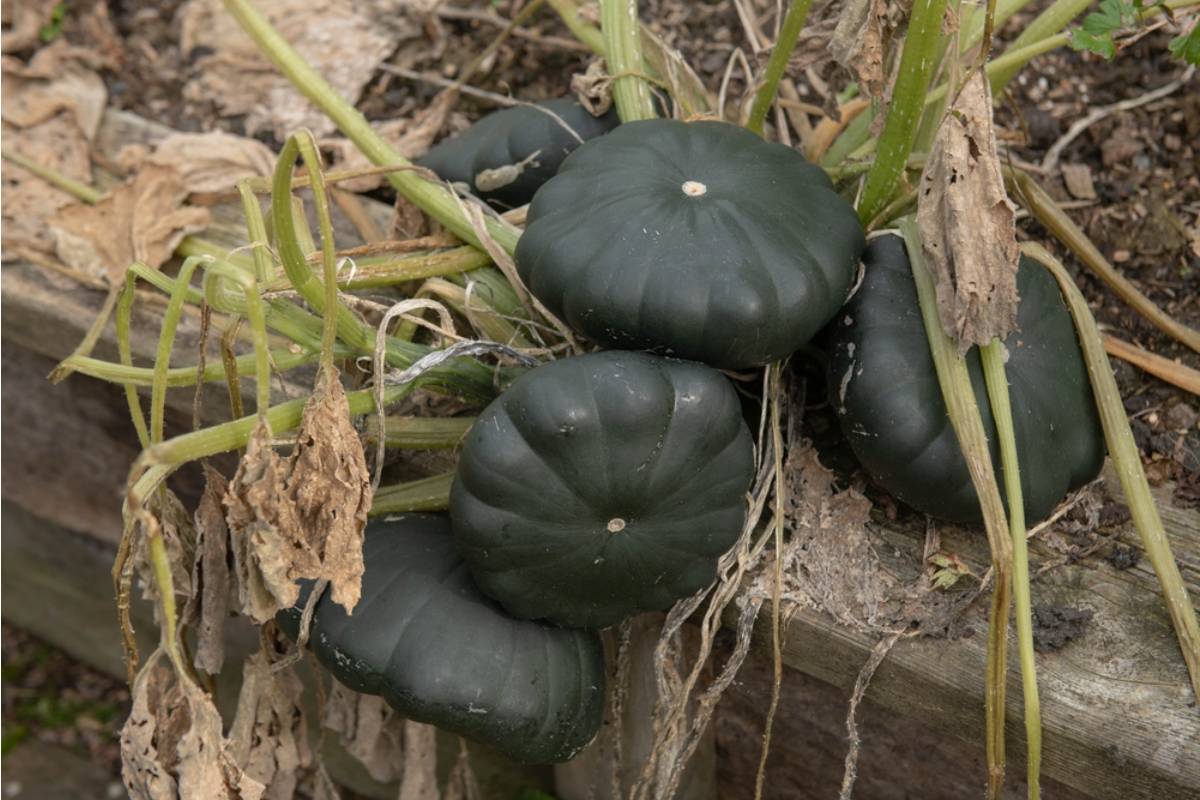
Rather than eating every harvest, I allowed several fruits to mature completely so the seeds would develop properly. The second season built upon that careful work, producing stronger vines and even healthier squash.
I felt proud knowing my father’s gardening tradition was continuing exactly as he had hoped.
Curious Children Often Stopped By
Several neighborhood kids loved visiting while I worked in the garden.
They asked thoughtful questions about worms, pollinators, compost, and different vegetable varieties. I never minded explaining how plants grew because their excitement reminded me of my own childhood spent following my father through his garden.
Among those children were my next door neighbor’s twins, Emma and Noah.
They Became Especially Interested
Emma and Noah visited almost every weekend that summer.
One afternoon I showed them how squash flowers attracted bees and explained why saving seeds from heirloom varieties helped preserve unique traits. They listened carefully and even helped me collect a few mature squash for drying.
Before they left, I reminded them that the seeds drying inside my greenhouse were very special because they had belonged to my father.
Both children nodded seriously.
A Busy Week Changes Everything
Toward the end of summer, my sister called asking if I could help her after an unexpected medical procedure.
I spent several days away from home, asking another neighbor only to water my container plants while I was gone. Since the greenhouse remained locked, I never worried about anything inside.
Nothing seemed unusual when I returned.
Something Was Missing
The following morning, I entered the greenhouse to continue organizing seeds for the next planting season.
One tray immediately caught my attention.
Several labeled envelopes had disappeared, including the carefully dried heirloom squash seeds from my father’s collection. At first I assumed I had simply moved them while packing before leaving town.
After searching every shelf, I realized they were truly gone.
An Innocent Conversation Reveals the Truth
Later that afternoon, Emma happily waved at me from her driveway.
“We used your cool seeds!” she announced proudly.
I smiled politely, assuming she meant sunflower seeds or something common.
Then she continued.
“Our science class grew plants from them.”
My heart sank before I even asked another question.
Their Mother Explains What Happened
Their mother, Jennifer, walked over after hearing our conversation.
She looked confused by my expression.
“The kids said you always share gardening supplies,” she explained. “When they needed seeds for school, I told them they could ask.”
I quietly answered, “They never asked.”
Jennifer immediately turned toward the children.
Emma admitted they had entered my greenhouse through the unlocked side door while feeding my outdoor cat one afternoon, believing they were borrowing something I would not mind replacing.
The Science Fair Had Already Ended
Jennifer contacted the school that same evening.
Unfortunately, the science fair had concluded several days earlier. Most student projects had already been taken home or discarded after judging.
The seedlings grown from my heirloom seeds had been divided among classmates to continue observing plant growth.
Recovering every plant suddenly seemed almost impossible.
The Teacher Steps In
The science teacher called me personally after hearing the entire story.
She apologized sincerely, explaining that she had assumed every student brought seeds from home or purchased packets from a garden center.
When she learned the history behind mine, she immediately contacted every participating family asking them not to discard the young squash plants.
Her kindness gave me a small sense of hope.
Families Across Town Start Responding
Within days, parents began calling one after another.
Some children had carefully transplanted their seedlings into backyard gardens. Others still had them growing in pots on sunny patios.
Every family offered to return the plants if it would help preserve the heirloom variety.
Listening to complete strangers treat my father’s legacy with such respect nearly brought me to tears.
One Seedling Refuses to Cooperate
Almost every plant adapted well after being returned.
One, however, had been accidentally cross pollinated in a school garden with another squash variety growing nearby. That particular plant could no longer produce reliable heirloom seeds.
Instead of becoming upset, I focused on protecting the remaining pure plants.
The experience reminded me just how fragile generations of careful seed saving could be.
Jennifer Takes Responsibility
Jennifer never tried making excuses.
She admitted she should have confirmed with me personally before assuming anything inside my greenhouse was available to borrow. She and the children spent several weekends helping weed, water, and label the returning plants.
During those afternoons, I taught Emma and Noah why seed saving requires patience, careful planning, and respect for family history.
The lessons became far more meaningful than any classroom assignment.
The School Creates a New Tradition
The following spring, the elementary school invited me to speak during its annual garden education day.
Instead of simply discussing vegetables, I shared the story behind the heirloom squash and explained how plants can preserve family memories just as photographs and letters do. Students learned to ask permission before collecting seeds, cuttings, or flowers from someone else’s garden.
The school even started a community seed library where donated varieties were clearly labeled with their history and original growers.
My Father’s Garden Continues Growing
Today, the heirloom squash still grows in my backyard, producing healthy fruit and fresh seeds each season. I now keep duplicate seed collections stored safely in different places, and Emma and Noah proudly help label every envelope before planting season begins.
Those same children who unknowingly caused so much worry have become two of the most careful young gardeners I know. Whenever they want to borrow seeds, they ask first, wait for an answer, and write down exactly where each variety came from.
Looking across the garden, I often think my father would have appreciated how the story ended. His treasured squash survived not only because the plants kept growing, but because the next generation learned that every seed carries a history worth protecting. Some inheritances fit inside a tiny paper envelope, yet their true value cannot be measured until someone understands the memories growing quietly inside.