Homeowner Says Neighbors Complained About Her Lawn-Free Garden, Then She Had to Rethink Her Landscaping Plans Without Giving Up on the Wildlife-Friendly Yard She Wanted
A person shared his story about trying to transform his backyard into something more natural, turning away from the familiar blanket of Kentucky bluegrass in favor of native plants. Instead of spending every weekend mowing and maintaining a traditional lawn, he wanted to create a space where local wildlife could thrive. The project was not just about changing the appearance of his yard, but about giving nature a little more room to breathe.
At first, the plan seemed straightforward enough, especially since native plants offered a way to replace conventional grass without leaving the ground completely bare. He began introducing native blue violets, which could spread through much of the existing grass while leaving his other plants unharmed. What started as an environmentally friendly landscaping project, however, soon became a neighborhood headache.
Kentucky Bluegrass Was About to Lose Its Place
For many homeowners, a perfectly trimmed lawn is the ultimate sign of a well-maintained property. This gardener had a different vision, one that involved encouraging native vegetation instead of keeping every blade of grass at a uniform height. His goal was to gradually replace the conventional lawn with plants better suited to supporting the local ecosystem.
Native blue violets became an important part of that strategy because they could spread aggressively through the existing grass. Rather than ripping up everything and starting from scratch, he was allowing the landscape to change as the plants established themselves. Unfortunately, what looked like progress to an environmentally minded gardener did not necessarily look appealing to everyone living nearby.
The Neighbors Were Not Impressed With the New Look
As the backyard became more natural, the gardener encountered complaints from a neighbor who objected to fallen branches and tall native grasses. According to the homeowner, the neighbor contacted the city, claiming these features violated local regulations. Suddenly, a project intended to benefit wildlife was attracting unwanted attention from the people next door.
The disagreement was especially frustrating because the homeowner had already checked the relevant city code and believed the landscaping features were permitted. He was not deliberately trying to create a nuisance or ignore the rules. He simply wanted to maintain a wildlife-friendly yard without being forced to turn it back into a conventional lawn.
The City Notices Kept Coming Anyway
The situation became even more confusing when the city continued sending notices of noncompliance despite the homeowner’s understanding of the regulations. That left him caught between what he believed the rules allowed and what the official notices appeared to demand. For someone trying to improve a backyard, dealing with repeated compliance warnings was hardly the relaxing gardening experience he had imagined.
The homeowner now had to consider how to move forward without abandoning the entire project. He did not want to mow everything down simply because a neighbor disliked the appearance of the landscape. At the same time, he needed a practical way to address the city’s concerns and determine exactly what was expected of him.
Baby Bunnies Changed the Way He Looked at Mowing
One detail made the decision to cut the grass particularly difficult: the tall vegetation provided shelter for baby bunnies and other small creatures. To the homeowner, those animals were not an inconvenience that needed to be cleared away whenever the lawn looked untidy. They were part of the reason he wanted to create a more natural backyard in the first place.
Mowing everything down might have made the property look more familiar to his neighbors, but it could also disturb the wildlife living among the plants. That left him weighing two very different ideas of responsible yard care. A tidy lawn might satisfy the neighborhood’s expectations, while a taller, more diverse landscape could offer valuable habitat for animals.
A Weed Trimmer Might Offer a Middle Ground
Rather than choosing between a completely untamed yard and a closely mowed lawn, the homeowner began considering a compromise. He wondered whether lightly trimming the vegetation with a weed eater could keep the yard at a reasonable height without destroying his progress. It was a practical question with an ecological concern at its center.
The idea would allow him to maintain some of the taller vegetation while giving the property a more deliberate appearance. Instead of cutting everything to the ground, he could potentially manage the height selectively and preserve areas that provided shelter for wildlife. Although he had not presented this as a completed solution, it offered a possible way to move forward without giving up on his original vision.
One Response Suggested Making the Edges Look Intentional
A response from a person suggested that mowing a narrow strip along the sidewalk and around the edges could make the yard look more deliberate. The idea addressed one of the common challenges of natural landscaping: a space intended to support wildlife can sometimes be mistaken for an abandoned lawn. A clearly defined border can help distinguish an intentional garden from an area that simply has not been maintained.
This approach would not require the homeowner to remove all his native plants or eliminate every patch of tall grass. Instead, he could preserve the wilder sections while creating a visible boundary between the garden and surrounding public-facing areas. It was a small design change that could potentially make a substantial difference in how the entire yard was perceived.
Another Gardener Recommended Giving Native Plants a Head Start
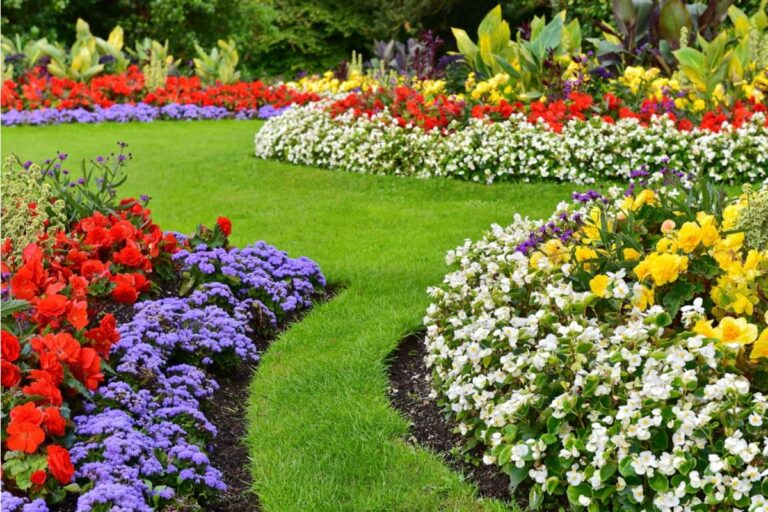
Another response from a person suggested incorporating early-flowering plants to make the garden look decorative sooner in the growing season. Flowers can provide visual interest before taller vegetation becomes the dominant feature, helping a natural garden look planned rather than neglected. The suggestion was particularly relevant to a homeowner trying to balance ecological goals with neighborhood expectations.
Timing, however, was an important consideration because the original discussion took place when it was already relatively late for that season’s early-flowering display. The idea could still help shape future planting decisions, even if it would not immediately resolve the current disagreement. With a little planning, the garden could eventually offer both wildlife habitat and a more recognizable ornamental appearance.
Wildlife Habitat Certification Entered the Conversation
A response from a person also suggested investigating whether the yard could qualify for certification as a natural wildlife habitat. Such recognition could give the homeowner a way to document the environmental purpose behind his landscaping choices. Rather than relying solely on personal explanations, he might be able to demonstrate that the property was being managed according to a recognized habitat-friendly approach.
Another person pointed toward the National Wildlife Federation’s native plant habitat certification information as a place to start. Certification would not automatically settle a dispute about local property regulations, and the homeowner would still need to establish whether his landscaping complied with applicable rules. Nevertheless, it offered another possible avenue for showing that the yard’s natural appearance had a purpose beyond simply avoiding mowing.
A Similar Homeowner Had Already Experienced Neighbor Complaints
One response came from a person who described dealing with a neighbor who preferred an immaculate, golf-green-style lawn. According to that account, the neighbor regularly used herbicides and pesticides, watered the grass, and kept it closely mowed, while also expecting the nearby property to follow the same approach. The disagreement illustrated how strongly some people associate a well-kept home with a particular style of landscaping.
The person also described complaints made to local authorities during landscaping work involving a skid steer. Despite the friction, the respondent said they tried to remain friendly and avoid escalating the situation. Their experience offered a reminder that lawn disagreements can become surprisingly personal when neighbors have very different ideas about what a residential yard should look like.
A Friendly Conversation Might Be Worth Trying
The same response raised an important question: was the complaining neighbor approachable enough to have a conversation about the project? Explaining the purpose of native plants, the benefits for pollinators, and the desire to protect young rabbits might help clarify why the homeowner was reluctant to mow everything down. Sometimes, a landscape that initially appears messy becomes easier to understand once its purpose is explained.
Of course, a conversation would not necessarily resolve the disagreement, especially if the neighbor simply preferred traditional lawns. The homeowner would still need to decide how much effort he wanted to invest in explaining his choices. Even so, a calm discussion could offer an opportunity to address misunderstandings without turning a backyard gardening project into a prolonged neighborhood feud.
Checking the Actual Rules Became More Important Than Ever
One of the most useful pieces of advice was to work with the city to clarify the applicable codes, regulations, and ordinances. The homeowner believed that the fallen branches and tall native grasses were allowed, yet the continued notices suggested that something needed further investigation. Getting a clear explanation of the specific requirements could help him identify whether the problem involved vegetation height, yard maintenance, fallen limbs, or another issue.
That distinction mattered because not every complaint necessarily establishes a violation, but an official notice should not simply be ignored. By asking the relevant department for specific information, the homeowner could better understand what needed to change, if anything. Clear guidance would also help him avoid making unnecessary alterations to a garden that he believed was already within the rules.
The Bigger Problem Was the Pressure to Keep Up Appearances
At the heart of the disagreement was a clash between two visions of a residential yard. One favored the familiar neatness of a closely trimmed lawn, while the other valued native vegetation, wildlife shelter, and a landscape that did not require constant mowing. Neither perspective could be reconciled simply by deciding that one yard looked better than the other.
For the homeowner, the challenge was finding a way to preserve the environmental benefits of his project while addressing legitimate maintenance requirements. Defined borders, selective trimming, and a more deliberate planting arrangement were all possible ways to make the landscape easier to understand visually. The trick was to improve the garden’s presentation without stripping away the very features that made it valuable to wildlife.
The Garden’s Future Would Depend on More Than One Complaint
The homeowner’s original question was how to move forward without surrendering the progress he had made toward a native backyard. His proposed solution of lightly trimming the vegetation reflected a willingness to consider adjustments rather than treating the situation as an all-or-nothing battle. Still, the discussion did not establish that he ultimately adopted this approach or that the complaints stopped.
What it did reveal was the range of options available to someone caught between wildlife-friendly gardening and neighborhood expectations. Understanding the rules, defining garden edges, introducing attractive native flowers, and communicating calmly could all help shape a more sustainable plan. For now, the most important decision was how to protect the garden’s purpose while making sure its future did not depend entirely on keeping an unhappy neighbor satisfied.