North Carolina Regulators Approved Duke Energy Rate Hikes That Add Up to $9.62 a Month to Typical Home Bills Starting Jan. 1, With Another Increase in 2028
Electric bills for millions of North Carolina homes are going up on Jan. 1. The North Carolina Utilities Commission approved new rates for Duke Energy Carolinas and Duke Energy Progress on Monday, Nov. 16, and the company says a typical household on the Progress system will pay $9.62 more a month starting with the new year.
That is only the first step. A second increase lands on Jan. 1, 2028, and it stacks on top of the first one.
What a Typical Home Will Pay, Utility by Utility
Duke Energy runs two separate utilities in North Carolina, and the change on a bill depends on which one serves the house. According to the company’s announcement of the order, the figures below are for a home using 1,000 kilowatt-hours a month.
Duke Energy Progress customers will see their typical bill rise $9.62 a month on Jan. 1, 2027, then another $5.89 a month on Jan. 1, 2028. That works out to about $15.51 a month more by 2028 than these homes pay today.
Duke Energy Carolinas customers will see a smaller first step of $6.53 a month in 2027, followed by $4.66 a month more in 2028, for a total of about $11.19 a month.
Duke describes the change as an average increase of about 3.4% a year over two years for Progress and 3.7% for Carolinas. For residential customers specifically, the yearly averages are higher, at 4.7% and 4.8%. Over the full two years, NC Newsline reported that home bills will climb a combined 9.3% for Progress customers and 9.5% for Carolinas customers by 2028.
Homes that use more than 1,000 kilowatt-hours a month will see larger dollar increases than those typical figures, since the change is built into the rate charged for each unit of power.
Smaller Than Duke First Asked For
Duke filed the rate requests in November 2025, and the approved amounts are lower than what it originally sought. Duke Energy Carolinas first asked to raise its revenue by $595 million and to increase its allowed profit margin, known as return on equity, to 10.95%, according to WUNC. After public pushback, the company dropped that request to 10.48% and then to 9.8%, which the commission accepted.
Kendal Bowman, Duke Energy’s North Carolina president, said in the company’s release that Duke listened to customers and worked with stakeholders to find what she called a more cost-effective way forward. The company also said its shareholders will put $20 million in new funding toward helping customers in need.
Duke says the money is needed for new power plants and grid upgrades to keep up with population growth and to make the system stronger against storms. The two utilities officially become one company on Jan. 1, 2027, but their rates will stay separate for now and blend together over time, Axios Raleigh reported.
The Governor Called It Too High
Gov. Josh Stein criticized the decision days after it was made. “This rate increase is too high and moves us in the opposite direction,” Stein said, WBTV reported. He called the commission’s order wrong and said it leaves the state more dependent on natural gas and coal, whose prices swing.
The NC Justice Center also faulted the decision. Claire Williamson of the group said it does not offer enough help to customers who are already struggling, and the organization urged Duke and regulators to extend the company’s payment assistance program before the higher rates take effect, NC Newsline reported.
The commission itself was not unanimous. Commissioner Donald van der Vaart wrote a dissent warning that the order sets the rules for paying for what may be the largest build-out of power plants in the state’s history, WUNC reported in a separate story on the data center rules.
Families Already Feeling the Squeeze
The increase arrives after several years of rising power costs. The average North Carolina utility customer’s electric bill rose more than 23% between 2019 and 2024, according to NC Newsline.
Midori Brooks, a part-time community health worker in East Durham, told the outlet her latest Duke bill was $900. She said she already buys store-brand groceries and discounted meat to get by, and that the bills are simply more than she can afford.
Part of the order deals with data centers, which are driving much of the new demand. Data centers needing 50 megawatts or more will be put on their own rate schedule and must pay for dedicated infrastructure, and the commission ordered Duke to track their costs as a separate class of customer so other ratepayers are not left holding the risk. Duke declined to say how much of the home rate increase, if any, comes from data center growth, NC Newsline reported.
What Happens Next
The first increase shows up on bills starting Jan. 1, 2027, and the second on Jan. 1, 2028. Which Duke utility serves a home, Progress or Carolinas, decides whether the first step is $9.62 or $6.53 a month for a typical household.
Households worried about winter bills can ask Duke about its payment assistance program before January, when the new rates and the coldest months arrive together.
This article was produced with AI assistance and edited for accuracy against the sources linked above.
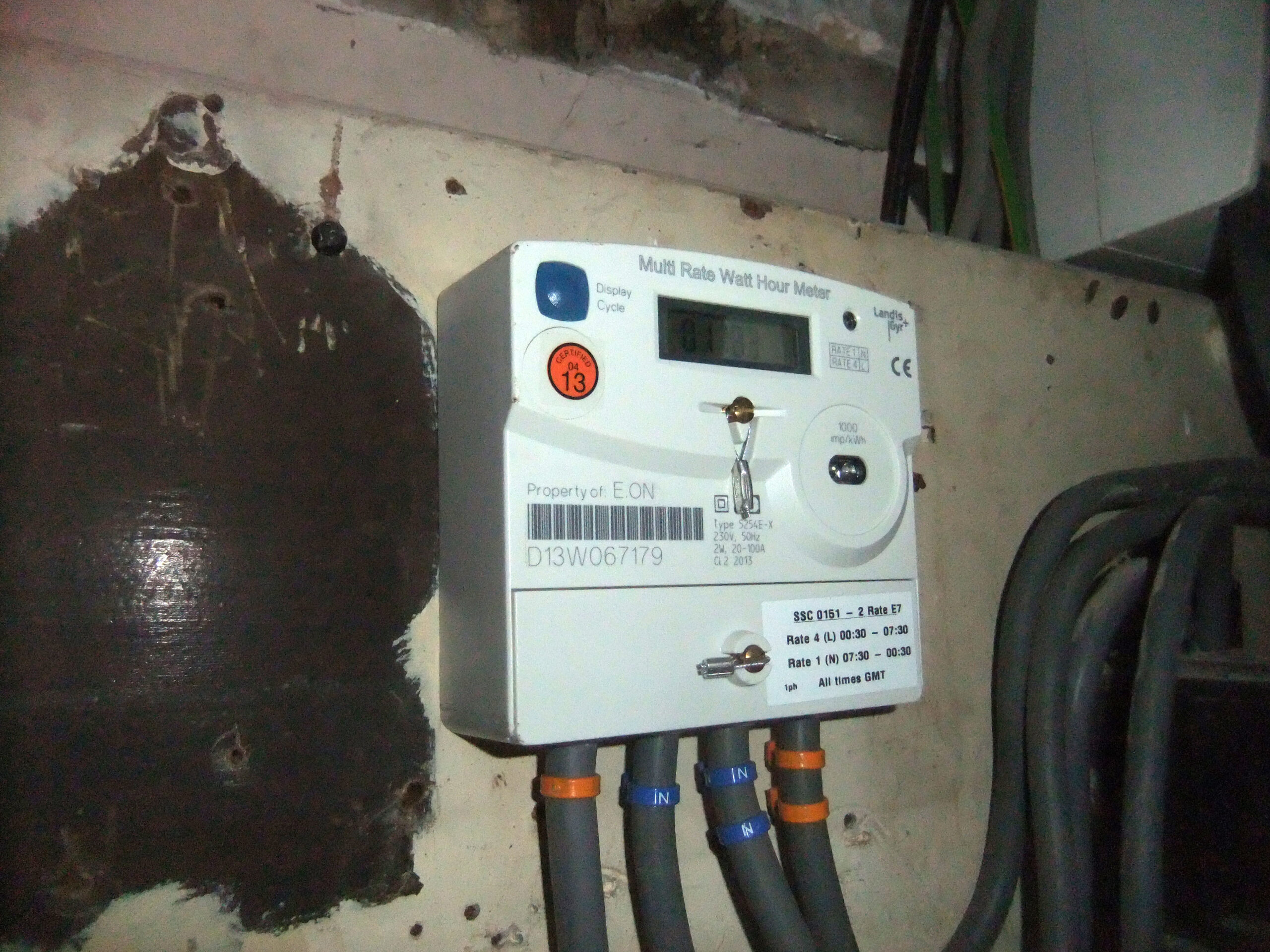
Image: Gwydion M. Williams from Peterborough, Great Britain – CC BY 2.0/Wikimedia Commons