A Pennsylvania Family Bought a Century-Old Twin Home and Got a $6,500 Electric Bill. They Say the Utility Read the Wrong Meter.
A Pennsylvania family recently bought a century-old twin home, a 1,500-square-foot, three-bedroom house sharing a building with its neighbor. After months of strange bills, the utility charged them $6,500 at once. The homeowner says the reason was simple: the utility had been reading the wrong meter.
The homeowner described the ordeal in a post that The Cool Down’s Elizabeth Smith reported on Nov. 7, calling it “a year’s worth of hell.”
It Started With Electrical Work
The trouble began after electrical work at the house, the homeowner said. The job removed off-hours meters and reworked the electrical panel.
After that, the energy provider began billing the wrong amount. The homeowner contacted the company and believed the problem had been fixed.
Later the bills dropped. The homeowner put that down to not running the gas AC units or the mini-split system.
Double-Charged, Then Not Charged, Then $6,500
Months of back-and-forth with the utility followed. The homeowner said the account was double-charged, then not charged at all, then corrected. One day the power was shut off without warning, they said.
Then the homeowner learned the utility had been reading the wrong meter, and it billed the accumulated $6,500 at once.
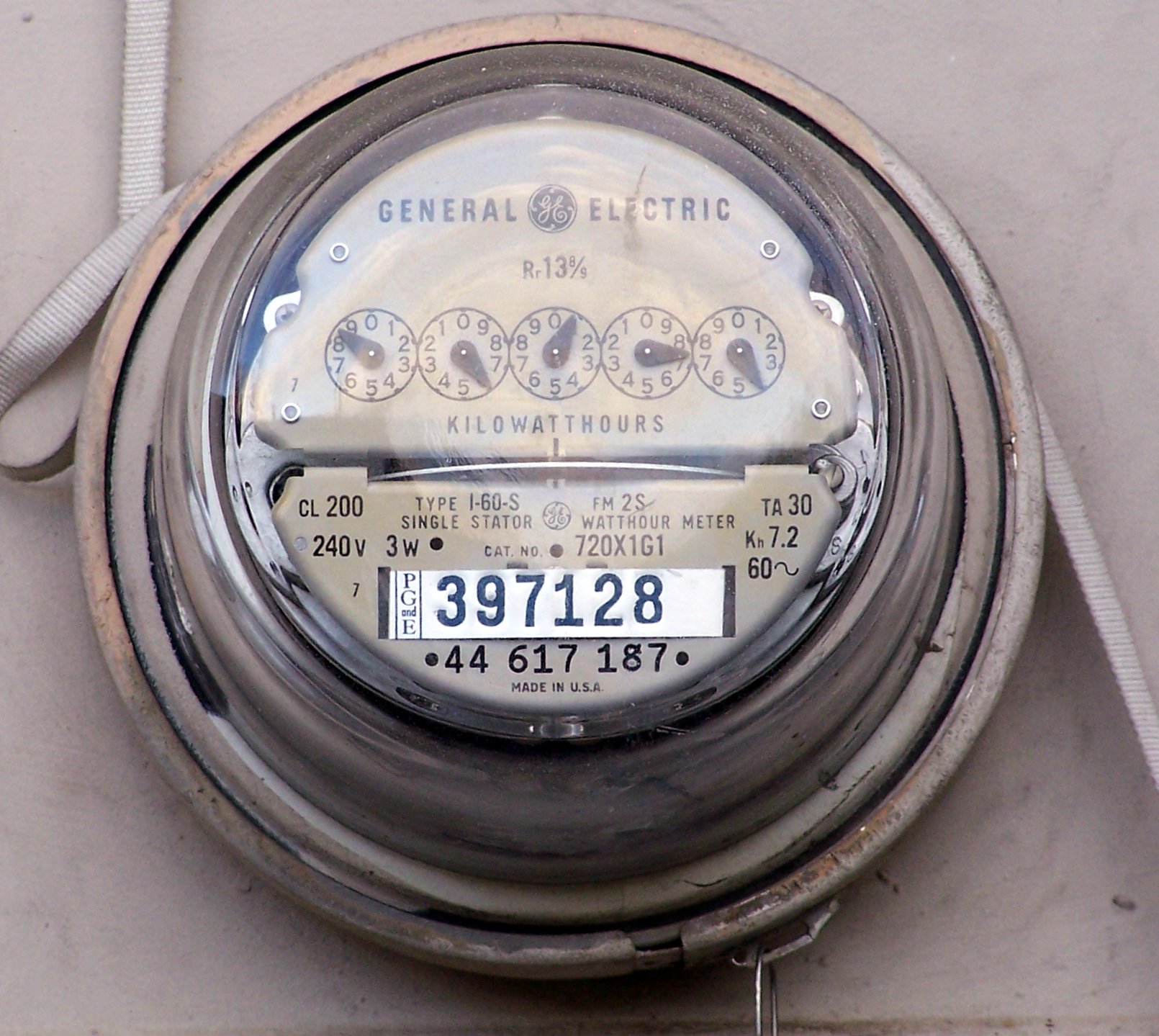
The homeowner posted photos of two digital meters and said there had been “two separate numbers at one point.” A commenter concluded that two numbers suggested two meters were being read and charged to the same household.
The Cool Down did not name the utility and reported no statement from it.
What 547 Kilowatt-Hours Should Cost
The homeowner tracked the house’s use. Over two weeks, it came to 547 kilowatt-hours, at a rate of $0.11759 per kilowatt-hour. For those 14 days, the family was paying about $450.
One commenter said the usage itself was not a major red flag. At about $0.118 per kilowatt-hour, 547 kilowatt-hours comes to roughly $65 of electricity, the commenter calculated, and a bill of about $130, perhaps $160 with base charges.
Commenters also ruled out one common culprit. The property has a well that has been out of commission for 30 years, so a well pump was not drawing the power.
The U.S. Energy Information Administration publishes residential electricity prices and usage by state, the kind of benchmark households can use to see whether a bill is in a reasonable range.
A Growing Family and a Big Bill
The household includes two young children, ages 4 and 3, and another baby is due in December.
The homeowner wrote that the bill would finish the family financially, and said they needed to find out what was drawing so much power.
An electrician in the thread recommended a home energy monitor to see where the power was going. Another commenter said a failing dehumidifier compressor had once cost them about $100 a month until a smart device helped find it. Others suggested hiring an electrician to check for faulty wiring.
Taking It to the State
The homeowner said they kept contacting the state utility commission and its representatives. In Pennsylvania that is the Pennsylvania Public Utility Commission, which takes complaints from customers who cannot resolve a billing dispute with their utility. The state’s Office of Consumer Advocate also represents utility customers.
The U.S. Department of Energy offers guidance for households on understanding and lowering their electricity use, which can help separate a true usage problem from a billing one.
Utility surprises have hit other homeowners on this site, including one who followed a running hose to the next yard and found a neighbor watering a lawn with her water, and Denver households facing new drought charges in 2027.
This article was produced with AI assistance and edited for accuracy against the sources linked above.
Image: Wikimedia Commons – Public domain