Her HOA Fined Her $150 After a Borrowed Trailer Sat in Her Driveway for 3 Weeks. The HOA President’s Boat Has Been in His Driveway Since Spring.
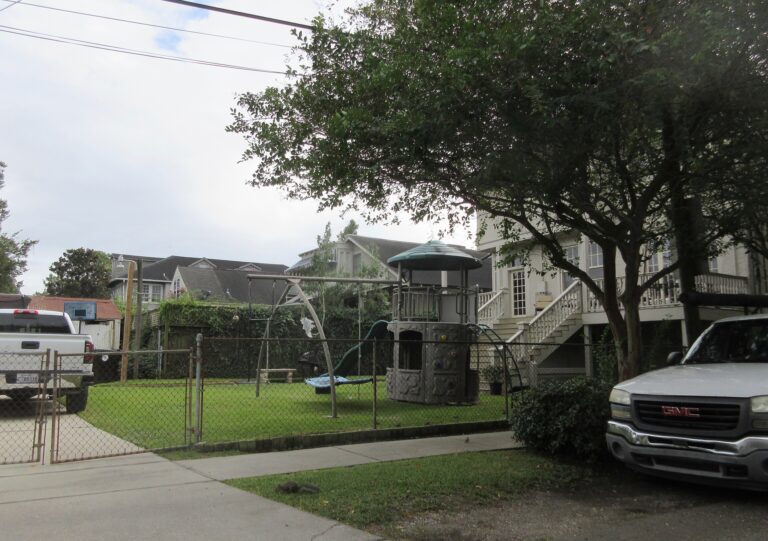
The rule in her neighborhood is plain enough: boats and trailers can sit in a driveway for 48 hours. When a utility trailer her husband had borrowed stayed in their driveway for about 3 weeks, the homeowners association mailed her a $150 fine at the end of October, with a photo of the driveway taken from the street. Unpaid, the fine doubles.
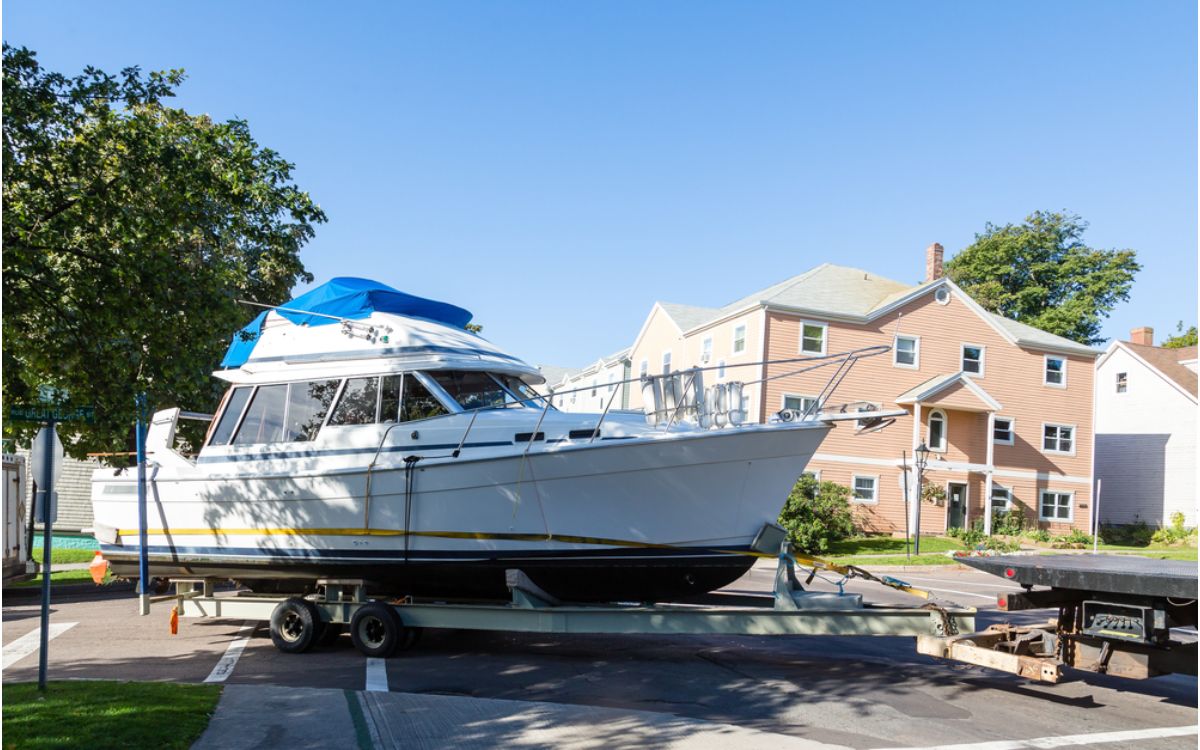
What bothered her was the driveway down the street. According to her account, reported by The Cool Down after it was shared by Backyard Garden Lover, the HOA president’s boat had been parked in his own driveway since spring.
A Trailer, a Deck and a Notice
The trailer was there for a reason. Her husband had borrowed it to haul away lumber from a deck the couple tore out in October. She says it went back the same afternoon the violation notice arrived.
She did not argue that the trailer had been there less than 48 hours. Her question was simpler. If the rule applies to a borrowed trailer for 3 weeks, why doesn’t it apply to a boat that had been in the president’s driveway since spring?
Three Photos of the President’s Driveway
Instead of paying right away, she asked the board why the rule was not being enforced the same way for everyone. She backed up the question with three dated photos of the president’s driveway, taken about a week apart, each showing the boat.
The president did not take it well. He defended the boat as in active use and accused her of making the dispute personal. Then, in his November column in the HOA newsletter, he wrote about a homeowner who had received a trailer citation. He did not name her, but she says her street and the trailer made it clear who he meant.
The HOA’s secretary told her she still had to pay. According to the secretary, each violation is looked at on its own.
That answer is common in HOA disputes, but it does not settle the question of fairness. HOA rules usually come from covenants recorded against the property. Cornell Law School’s Legal Information Institute describes a restrictive covenant as a written limit on how land can be used, and those limits are meant to bind every owner in the community the same way, board members included.
Homeowners who think a rule is being applied unevenly generally start the way she did, by documenting it. Dated photos, copies of notices and a written request to the board create a record if the dispute goes further. An association’s governing documents spell out whether a hearing or appeal is available before a fine becomes final.
What State Law Says About Fines
The report does not say which state the neighborhood is in, and HOA fine rules vary by state. But Florida and Texas, for example, both require associations to follow set steps before a fine sticks.
In Florida, the state’s homeowners association law requires at least 14 days’ written notice and a chance to be heard before a committee of members who are not board officers or directors before a fine can be imposed. In Texas, the Property Code generally requires an association to send written notice describing the violation and the owner’s right to request a hearing before it levies a fine.
Rules like these exist because fines can grow fast when they double or stack. The Community Associations Institute, a national group for HOA boards and managers, publishes guidance for associations on governance and enforcement.
None of that settles a selective-enforcement argument on its own. It does mean the process matters, and a homeowner who keeps dated records is better placed if the dispute reaches a hearing.
Why Selective Enforcement Fights Get Personal
Driveway rules are among the most visible HOA rules, because anyone walking or driving past can see what is parked where. That visibility cuts both ways. It makes it easy for a board to photograph a violation from the street, and just as easy for a homeowner to photograph the president’s boat.
Disputes like this one also tend to escalate quickly once a board member’s own property is involved. A request for equal treatment can feel like an accusation to the person being compared, which may explain the newsletter column. Other homeowners covered here have run into the same dynamic, including the couple whose husband joined the HOA twice to stop its president from bullying neighbors.
Still Unresolved
The report does not say whether she paid the fine, appealed it or got it reversed. Her husband had another idea: park the trailer in the driveway again on purpose, wait for the next citation, and see whether the president’s boat drew one too. She was wary of that plan.
For now, the HOA says the $150 fine stands, and her photos show the boat in the president’s driveway across three weeks. The question she asked the board, whether one rule applies to everyone on the street, has not been answered.
This article was produced with AI assistance and edited for accuracy against the sources linked above.