Ann Meding’s Marietta Backyard Started Dying a Week After a Weed Control Treatment. Two Years Later, She Says the Company Never Fixed It.
Ann Meding, a real estate agent who has lived in her Marietta, Georgia, home since 2012, says her backyard began dying about a week after a weed control company treated it roughly two years ago. She says the company promised to repair the damage and never did. The yard, she estimates, is now about 60 percent weeds and 20 percent dirt, according to a Nov. 10 report from Atlanta News First.
How a Hired Weed Service Became a Two-Year Problem
Meding told the station she hired the service about three years ago, after hand surgery for arthritis left her unable to pull weeds herself. Neighbors had recommended the family-owned company.
Her front yard is Bermuda grass, and the spray reportedly worked there. The backyard is fescue. About a week after the treatment two years ago, she says, the fescue started to die. She told Atlanta News First she does not know what was applied in the back.
Atlanta News First did not name the company, because no official complaint had been filed with the state when the story ran. The company did not respond to the station’s requests for comment or an interview.
What the Company Promised and What Meding Says Happened
According to Meding, the company said it would aerate and overseed the backyard a few times and, if that failed, sod the whole thing. She says she knows of no aeration or overseeding, and the yard has never been sodded.
She also says supervisors were scheduled to visit eight to 10 times over the two years, and none came. Atlanta News First Investigates recorded her final phone call with the company and listened to the recording on her phone. After that call, a supervisor agreed to visit at 8 a.m. the next day and to remove the weeds, aerate and reseed at no cost. The station’s report does not say whether that work has been done.
Bare Dirt, Moss and Soil Washing Off Tree Roots
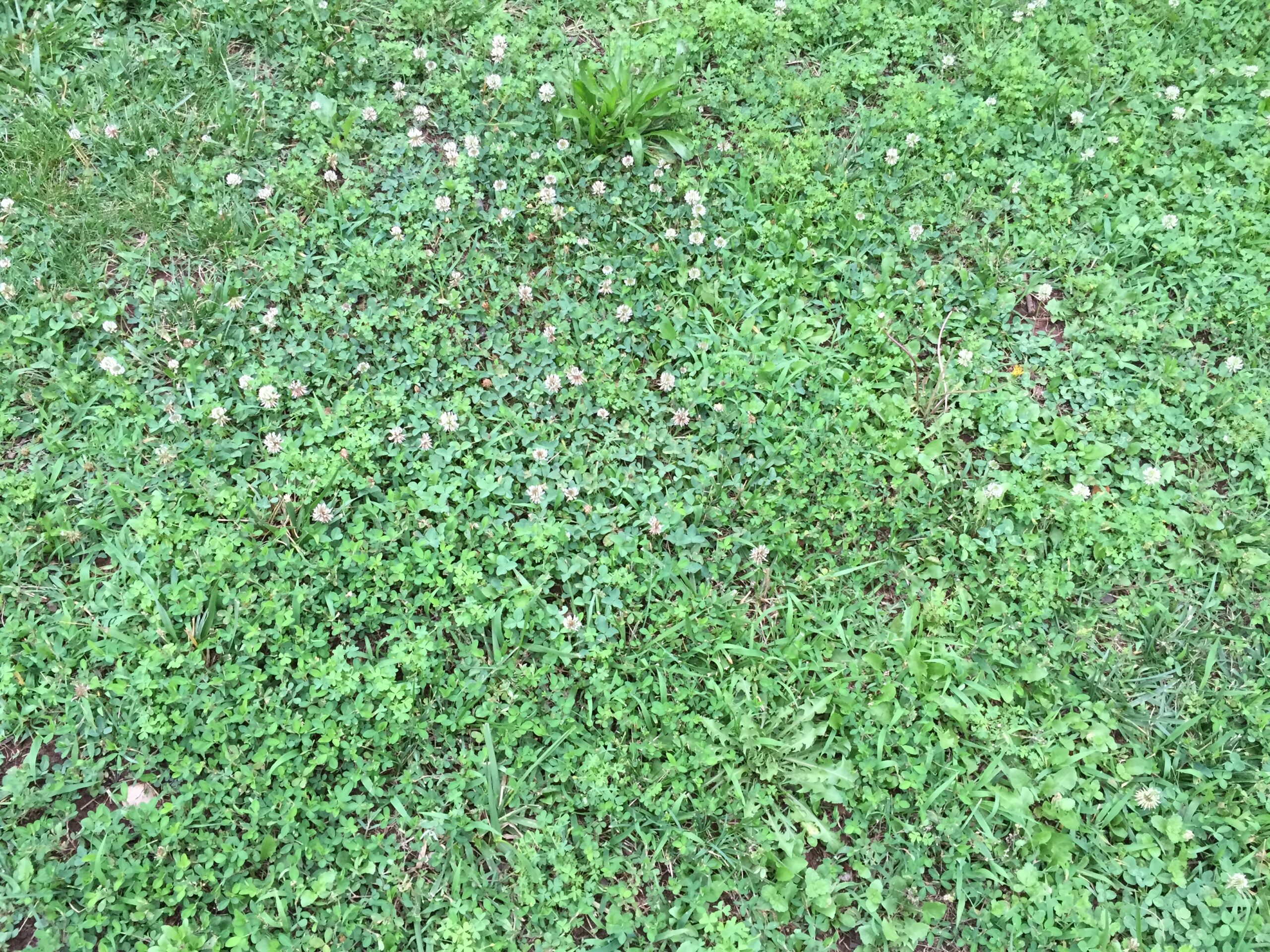
Large sections of the backyard are now bare dirt, weeds and moss. Meding says her irrigation water is carrying soil away and exposing tree roots. Some new fescue and other grasses have appeared on their own, but she does not know where they came from.
The station’s report gives no dollar amount paid or claimed, and mentions no lawsuit or attorney.
Where Georgia Homeowners Can Report Lawn Chemical Damage
The Georgia Department of Agriculture’s pesticide program enforces state and federal pesticide law and licenses commercial applicators and pesticide contractors. Anyone paid to apply pesticides on another person’s property needs both a commercial applicator license and a pesticide contractor license. Homeowners who believe a treatment caused harm can submit the department’s Pesticide Incident Form, or call the pesticide program at (404) 656-4958.
Atlanta News First suggests keeping invoices, contracts, before-and-after photos, emails, texts and a timeline of when the damage appeared.
What University of Georgia Specialists Say About Rebuilding a Fescue Lawn
University of Georgia Extension turf specialists Clint Waltz and Becky Griffin have written that mid-September through mid-October is the best window to renovate a fescue lawn, though planting can continue into November with better results the earlier it is done. Their steps include a soil test through the local Extension office, removing weeds and dead grass so seed reaches the soil, and core aeration, which lets air and water reach the roots. They also warn to check herbicide labels for residual activity and plant-back restrictions, so seed is not blocked from germinating.
In a separate piece, Waltz notes that core aeration is a common step before interseeding tall fescue because it reduces compaction and prepares a better seedbed. Heather Kolich, the Forsyth County Extension agent, adds that preemergence herbicides for established Bermuda and tall fescue lawns are applied in early to mid-September to stop winter annual weeds.
This article was produced with AI assistance and edited for accuracy against the sources linked above.
Image: Famartin – CC BY-SA 4.0/Wikimedia Commons