Denver Water Will Raise Drought Charges in 2027 After Its First Lawn-Watering Ban in Nearly 25 Years, Adding About $3.24 to the Average Monthly Bill
Lawns across Denver have gone without sprinklers since Oct. 1, when Denver Water’s first lawn-watering ban in nearly 25 years took effect. On Oct. 28, the utility’s board added a price tag for next year. Commissioners unanimously approved higher 2027 water rates and steeper drought charges that will lift the average single-family bill by about $3.24 a month.
The Oct. 28 vote and the new numbers
The Denver Gazette reported that the Denver Board of Water Commissioners voted Wednesday to approve the 2027 rates, which take effect Jan. 1 and are designed to bring in about 6% more revenue. The average monthly bill for a single-family Denver customer goes from $56.97 to $60.21, according to the Gazette, or roughly $39 more over a year. Individual increases will vary by where a customer lives and how much water the household uses.
The board also raised the drought charges layered on top of the base rates. Under the Stage 1 drought charge, the second-tier surcharge climbs from $1.10 to $1.40 per 1,000 gallons, and the third-tier surcharge goes from $2.20 to $2.80.
Chief Financial Officer Angela Bricmont said the 2027 rates and drought rates respond to the “unprecedented conditions” the region is facing, according to the Gazette. CEO and Manager Alan Salazar called the current dry spell “one of the worst droughts Denver Water has experienced in the last 100 years.”
How the drought charges hit outdoor water
Denver Water designed its drought pricing to land on outdoor use and leave basic indoor use alone. The utility’s board resolution on drought pricing, adopted April 8, sets the residential tiers by each customer’s average winter consumption. Tier 1, the household’s average winter use, carries no drought charge. Tier 2 covers the next 15,000 gallons, and Tier 3 covers everything above that.
When the board first approved drought pricing in April, Denver Water explained that each customer’s Tier 1 amount is the average of the January, February and March bills, a stand-in for essential indoor use. The utility estimated then that careful conservers inside Denver would pay about $7 more a year, while high users who did not cut back would pay about $76 more. CEO Alan Salazar noted at the time that Denver Water had not used drought pricing in more than 20 years.
Those charges began with May water use and, under the utility’s drought pricing page, run through April 30, 2027, or until the board acts again.
What the yard rules allow right now
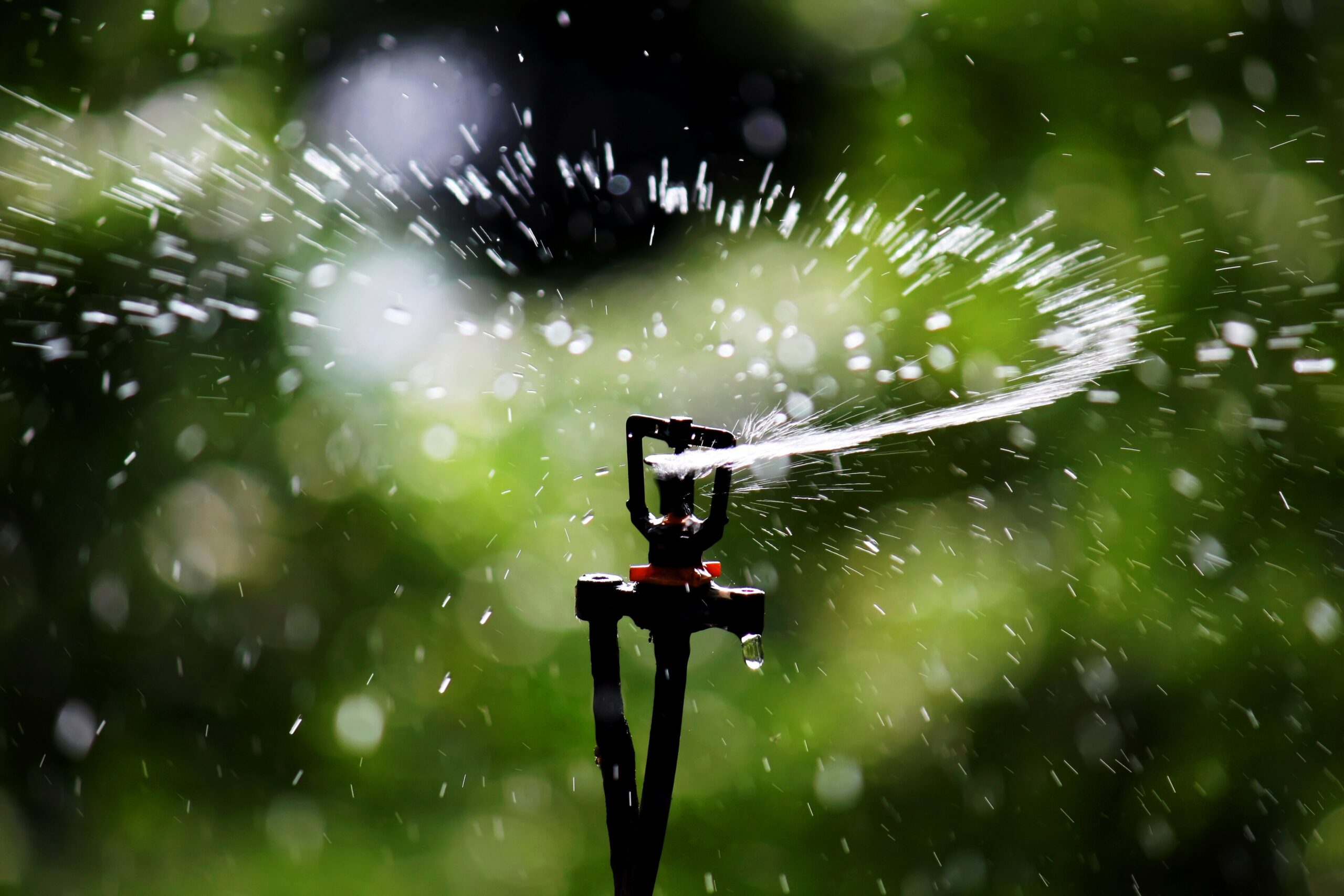
Denver Water’s notice on the ban says lawn watering and spray irrigation have been prohibited since Sept. 30. The ban stays in place until the board sets terms for watering to resume, which means sprinklers stay off in spring 2027 unless the board says otherwise. The site covered the start of that rule in its earlier story on Denver’s lawn-watering ban.
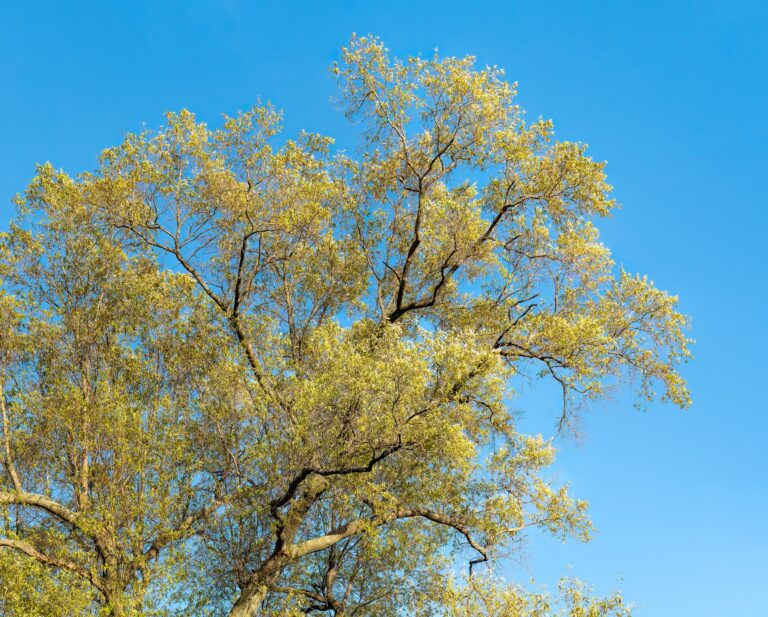
The ban does not cover every plant in the yard. Trees, shrubs and perennials can be watered on any day with a handheld hose fitted with a shut-off nozzle, or with drip lines and other low-volume, non-spray systems. Annuals and vegetables were allowed the same treatment until the first frost. Irrigation systems may run only for installation, repair or attended maintenance.
The fines are steep. Single-family homes face $500 for a first violation, $1,000 for a second, and $1,000 plus a water shutoff after that. Denver Water says it will not grant exemptions for new turf, and new grass cannot be established without an approved variance.
Greg Fisher, Denver Water’s manager of demand planning, told customers in the notice to treat the Oct. 1 date “as a hard stop” to preserve the utility’s supplies.
Dry weather has pushed tree-watering advice elsewhere too. In Virginia, extension experts recommended deep weekly watering for stressed landscape trees after a year of dry weather.
Reservoirs at two-thirds full heading into winter
The numbers behind the vote are stark. Denver Water declared a Stage 1 drought on March 25 after snowpack peaked at about 58% of normal, weeks earlier than usual, according to the Gazette. In May, the utility began draining Antero Reservoir and moving that water to Cheesman Reservoir to cut evaporation losses.
The utility’s ban notice put reservoir storage at 67% of capacity, compared with a typical 91% for this time of year. Denver Water expects storage to fall to about 60% by spring runoff in 2027, when it would normally be around 85%. The Gazette reported storage dropped from 72% to 67% in five weeks.
Denver Water has never gone past Stage 1, but officials have warned that could change next year if the dry pattern holds, according to the Gazette. The higher drought charges are one of the tools the board has to push outdoor use down further, alongside the watering ban already in force.
The Gazette also put the increase in context. Inflation ran 3.4% nationally over the past 12 months, according to the U.S. Bureau of Labor Statistics, and 3.9% in the Denver metro area. Denver Water is funded by water rates, tap fees and hydropower sales rather than taxes, and its spending plans include the Gross Reservoir expansion, lead-pipe removal, water-main replacement and work at the Marston treatment plant.
For homeowners, the practical picture for the months ahead is the one laid out in the utility’s notice: trees and shrubs can still be hand-watered or drip-watered, sprinklers stay off, and the next decision to watch is the board’s call on when, and how much, lawn watering can return in 2027.
Get stories like this by email. Sign up for The Parent Diaries Letter.
This article was produced with AI assistance and edited for accuracy against the sources linked above.
Image: Anton – CC BY-SA 4.0/Wikimedia Commons