Fall Tilling Should Work In 2 to 3 Inches of Compost for Every 6 Inches of Depth, Utah State Extension Says, and It Exposes Grasshopper Eggs
Two to three inches of compost for every six inches of soil depth is the rate Utah State University Extension gives gardeners who till in fall. The advice appears in a seasonal guide by four Extension faculty members, JayDee Gunnell, Michael Caron, Taun Beddes and Linden Greenhalgh, published Nov. 2 in High Plains Journal. The same guide says fall tilling exposes and kills many overwintering grasshopper egg masses, which can shrink next year’s population.
The Compost Rate Behind Fall Tilling
According to the Extension guide, tilling or cultivating garden soil in the fall is better than waiting until spring, and fall is a good time to mix in composted organic matter. The rate it states is plain: “Every season, add 2 to 3 inches of well composted organic matter for every 6 inches of tilling depth.”
The authors say compost improves water-holding capacity, drainage and soil structure, and stores nutrients over time. They name free yard-derived material, such as leaves and grass clippings, as the best compost source, and note that chopping leaves with a mower or yard vacuum speeds decomposition.
Dry “brown” materials such as sawdust, leaves and corn stalks need added nitrogen so soil microbes can break them down. The guide’s formula is a quarter pound of actual nitrogen for every inch of brown material spread over a 10-foot-by-10-foot area, which works out to about a pound of ammonium sulfate (21-0-0).
Other USU Extension publications use different numbers for different jobs. A fact sheet on preparing and improving garden soil, by Katie Wagner, Melanie Stock and Larry Sagers, recommends incorporating 1 to 2 inches of organic matter annually. One inch per year prevents a net loss of soil organic matter, the fact sheet says, while two inches builds the soil. The 2-to-3-inch rate in the fall guide applies to the tilling depth described there, so the two documents answer slightly different questions.
An older Extension fact sheet, Using Compost in Utah Gardens, gives a related rule for depth: for every inch of compost added, double the tilling depth, so 1 inch of compost means tilling at least 2 inches deep.
Timing matters as much as quantity. The soil-preparation fact sheet cautions against working organic matter into soil that is wet, which means a gardener who waits for a dry stretch in late fall has an advantage over one who tills on the first free weekend after a storm.
How Fall Tilling Exposes Grasshopper Eggs
The grasshopper benefit comes from how the insects overwinter. Diane Alston, a USU Extension entomologist, wrote in an Extension article on controlling grasshoppers in the yard and garden that in late summer and fall adult females lay their eggs in pods in undisturbed soil. Those sites include open fields, roadsides, weedy areas, rangelands and the borders between open space and residential lots, and the eggs hatch the following spring.
Disturbing that soil is the point of the fall advice. The fall guide says tilling “exposes and kills many overwintering grasshopper egg masses,” which can reduce the next year’s population. A USU pest advisory for residential sites adds detail: females need bare soil to lay eggs, the eggs sit about 1 to 2 inches below the surface, and turning the soil after the first frost can expose and kill the egg pods. The same advisory says mulching beds before mid-July to early August can reduce egg-laying.
An August 2026 piece by Greenhalgh, an Extension agronomist, published through Utah State University’s news service, says shallow fall cultivation “can reduce egg-laying sites and disrupt existing egg masses,” with the qualifier “where appropriate.” It also recommends removing weeds and plant debris in both fall and late spring, because they give grasshoppers food and shelter.
Tilling does not replace other control. Alston’s article says the best time to control grasshoppers is when they are young, before they have wings, and that treating a wide area, ideally in coordination with neighbors, matters to success. Floating row cover can keep them off vegetables and herbs, she wrote.
Why Fall Beats Wet Spring Soil
The guide’s second reason for tilling in autumn is soil condition. Working soil too early in spring, while it is still wet, can compact it, especially heavy clay, according to the Extension faculty. Wet tilling also damages soil structure and leaves hard clods.
The soil-preparation fact sheet makes the same point: organic matter can go in during spring or fall, but only when the soil is not wet, and “tilling wet soil creates compaction and hard pan formation in clay soils.” The sheet notes that rotary tillers help mix organic matter deeper into the soil but gives no target depth.
Fall is also when the final pieces of garden cleanup happen. The High Plains Journal guide advises removing spent vines, stems and leaves after the last harvest and composting them or taking them to a green-waste facility, which reduces places for insects to hide and disease to build up. It lists other autumn chores as well:
- Letting perennial foliage die back before cutting, and dividing crowded clumps about 3 to 4 weeks before the ground freezes.
- Wrapping young tree trunks with reflective white tree wrap to prevent sun scald, then removing it in spring.
- Planting spring bulbs 3 to 4 weeks before freeze-up, at roughly two to three times the bulb’s height.
- Mowing the last cut to 1.5 to 2 inches, then applying 1 pound of actual nitrogen per 1,000 square feet to support early spring greening.
The guide also covers equipment and irrigation. Hand tools should be cleaned, sharpened and dried, with metal lightly oiled and wooden handles treated with linseed oil, it says. Irrigation filters should be cleaned and lines cleared to prevent freeze damage, and small-engine fuel should be drained or stabilized. On pruning, the authors advise avoiding fall cuts that can trigger growth and increase freeze damage, saving major pruning for early spring.
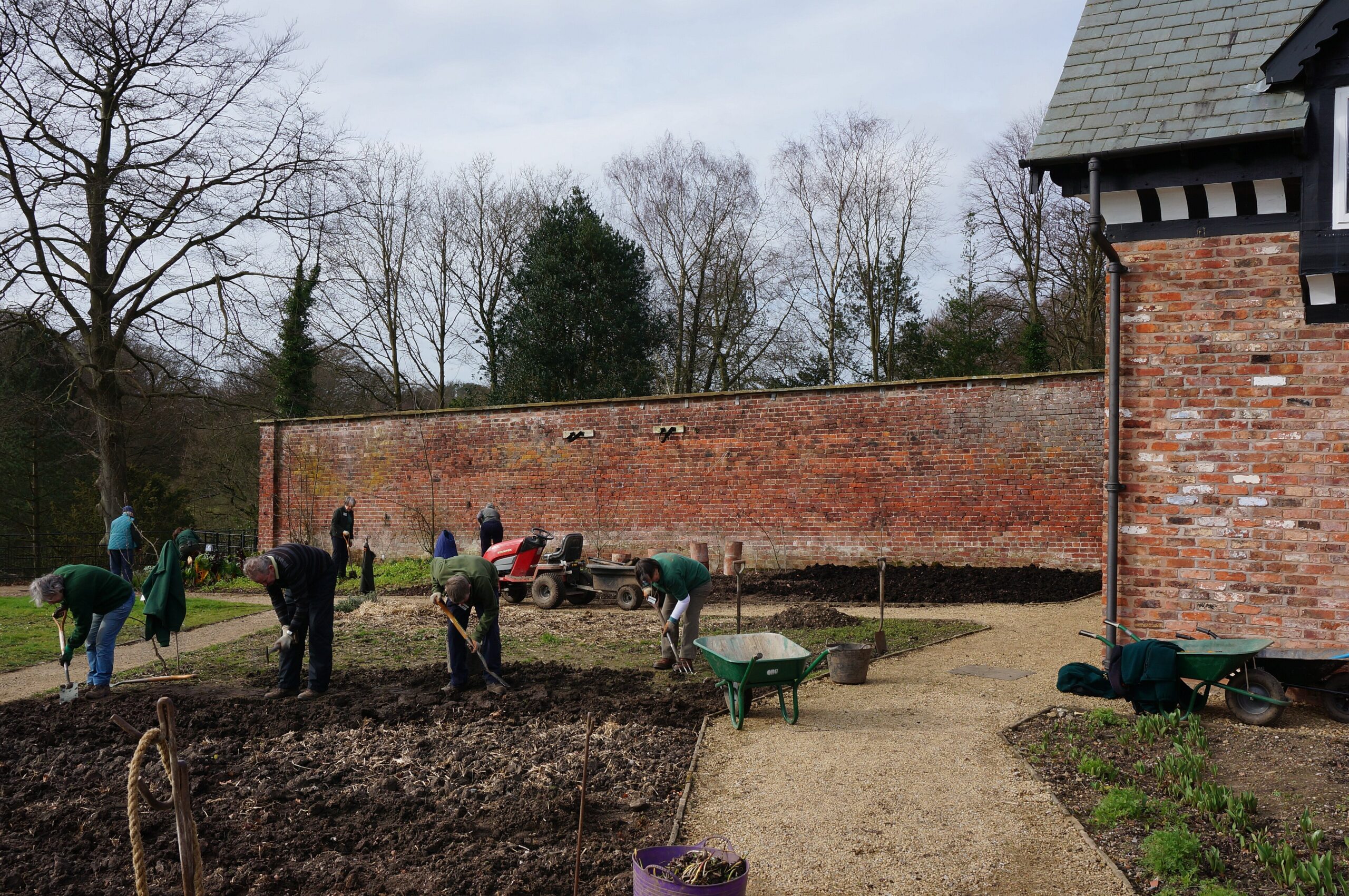
For a Utah-style vegetable bed, the sequence the Extension faculty describe is straightforward: clear the spent plants, wait for soil that is not wet, spread 2 to 3 inches of finished compost for each 6 inches of depth to be tilled, and work it in before winter. The same pass that mixes the compost is the one that turns up the grasshopper eggs.
Get stories like this by email. Sign up for The Parent Diaries Letter.
This article was produced with AI assistance and edited for accuracy against the sources linked above.
Image: Peter Barr – CC BY-SA 2.0/Wikimedia Commons