Most Fall Vegetables Survive About 28 Degrees, HGTV Says, While Rosemary and Thyme Can Spend Winter Outdoors in Their Pots
Twenty-eight degrees is the number HGTV gives for most fall vegetables. According to the network’s winter garden protection checklist, most can survive about 28 degrees Fahrenheit with little or no tissue damage, and herbs such as rosemary and thyme can stay outdoors in their pots all winter.
The checklist is an evergreen guide rather than a news item, so the details are worth comparing with what extension specialists say about how cold each crop can take.
What HGTV says to do when a 28-degree night is forecast
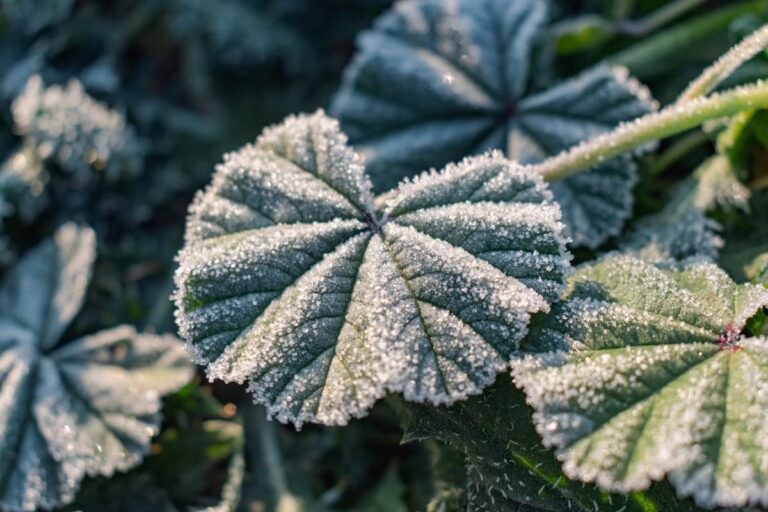
When the forecast falls into that range, HGTV says to keep blankets handy and cover the crops overnight. The covers come off during the day if temperatures rise above freezing, so heat does not build up underneath. Clear plastic also works, but it needs to come off before direct sun hits it the next morning or the plants can overheat.
For herbs, the guidance is a little looser. Most culinary herbs handle temperatures in the upper 20s, HGTV says, and rosemary and thyme can overwinter outdoors in their pots. Small pots of evergreens do best placed against a wall, covered with mulch or shredded leaves and kept watered through winter.
Tropical plants are a different story. They should come indoors before temperatures drop below 45 degrees, after being checked for spider mites, aphids and mealybugs, and other tender potted plants can move inside when frost threatens. HGTV also recommends a mulch layer 2 to 4 inches deep in perennial beds for winter protection.
Where extension charts draw the lines
Different sources sort crops into groups, and the groups matter more than a single number. Oregon State University Extension, quoting vegetable breeder Jim Myers, lists heavy-frost survivors below 28 degrees: spinach, onions, garlic, leeks, broccoli, kohlrabi, kale, cabbage, collards, Brussels sprouts, arugula, radish, mustard greens and turnip. Light-frost crops, hurt between 28 and 32 degrees, include beets, carrots, parsnip, lettuce, chard, cauliflower, parsley and celery. Myers notes that cold slows hardy vegetables rather than killing them.
Illinois Extension’s Alexis Barnes gives a similar split: beets, carrots, radishes, cabbage, cauliflower, lettuce and onions tolerate roughly 28 to 32 degrees, while broccoli, spinach, arugula, Brussels sprouts, kohlrabi, kale, turnips and garlic hold up below 28 degrees. Her protection advice includes row covers, low tunnels and mulch to insulate soil.
A Purdue Extension frost preparation page sorts crops into three bands. Tomatoes, peppers, squash and cucumbers are tender, carrots, lettuce and potatoes are semi-hardy, and kale, cabbage, spinach, peas and onions are hardy. The page suggests blankets, tarps or floating row covers over rows, and says the first frost or two is often followed by several more weeks of good growing weather.
Going colder than 28
Seed company Botanical Interests publishes a table of the temperatures at which crops need harvesting or protecting. At 25 degrees it places arugula, bok choy, kale, lettuce, mustards and Swiss chard. At 15 degrees it lists beets, broccoli, Brussels sprouts, cabbage, cauliflower, collards and turnips. At 0 degrees it lists carrots, leeks, parsnips and spinach, and it says root vegetables do well with at least 4 inches of mulch applied before a hard freeze.
Both sets of numbers fit HGTV’s claim that most fall vegetables get through about 28 degrees. They also show why the word most matters: lettuce and chard sit right at that edge, while carrots, spinach and kale go much lower.
The harvest-and-cover routine
The practical routine across these sources is short. Check the overnight low, cover crops that sit near their limit, and uncover them once the day warms. The Botanical Interests page adds that harvesting should wait until temperatures are above freezing, because leaves picked while frozen stay limp.
The Purdue page offers a fallback for nights when the covers do not get on in time: harvest as much as possible. Unripe tomatoes, it says, can ripen indoors out of direct sun, and wrapping each one in newspaper at about 55 degrees keeps them for several weeks.
Light frost may only damage outer leaves, the Purdue page notes, and plants can keep producing afterward. A hard freeze is another matter, and that is the point where the blankets earn their keep.
This article was produced with AI assistance and edited for accuracy against the sources linked above.
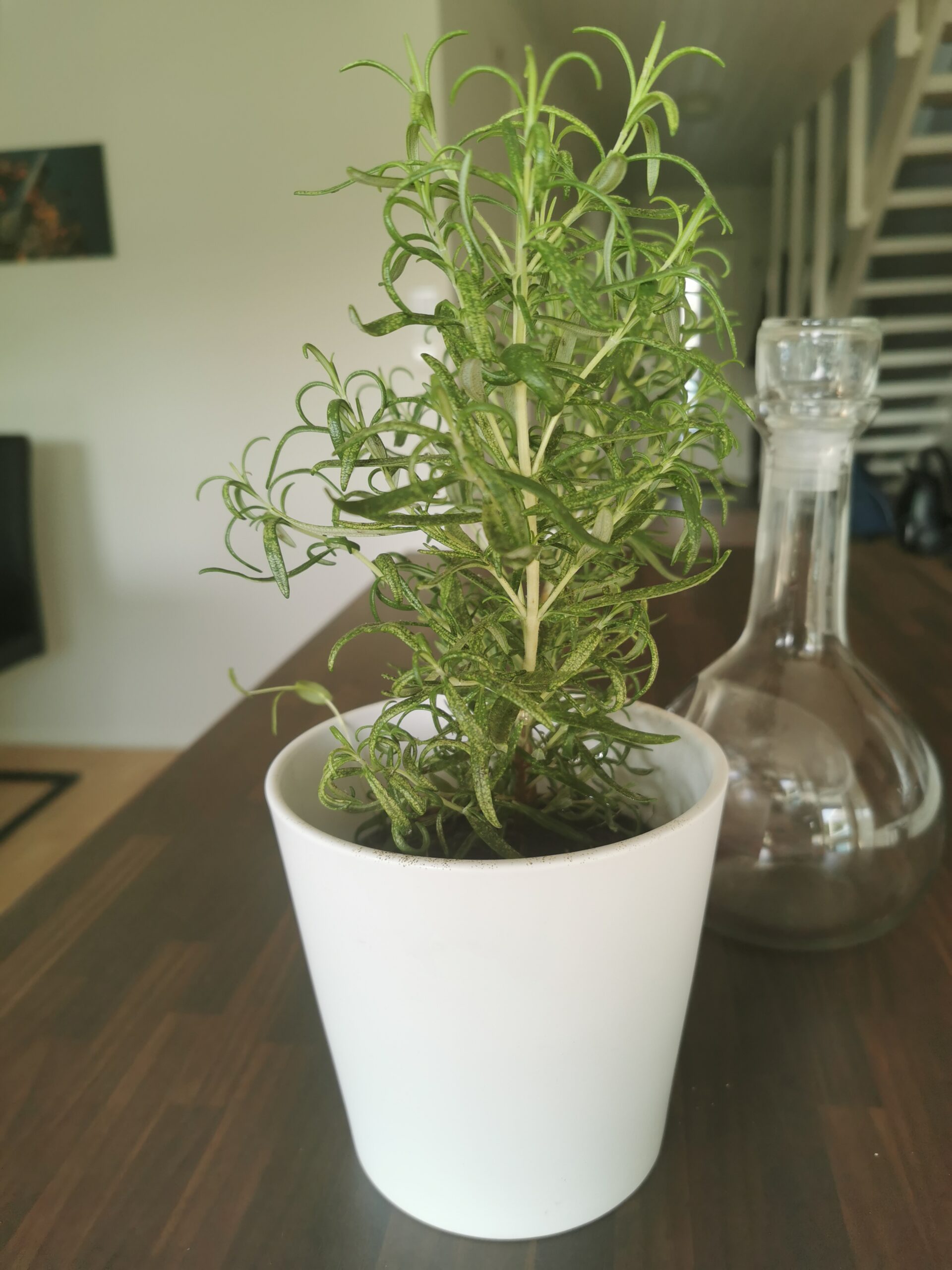
Image: “Rosemary plant in a pot 06” by Netha Hussain, licensed CC BY-SA 4.0, via Wikimedia Commons.