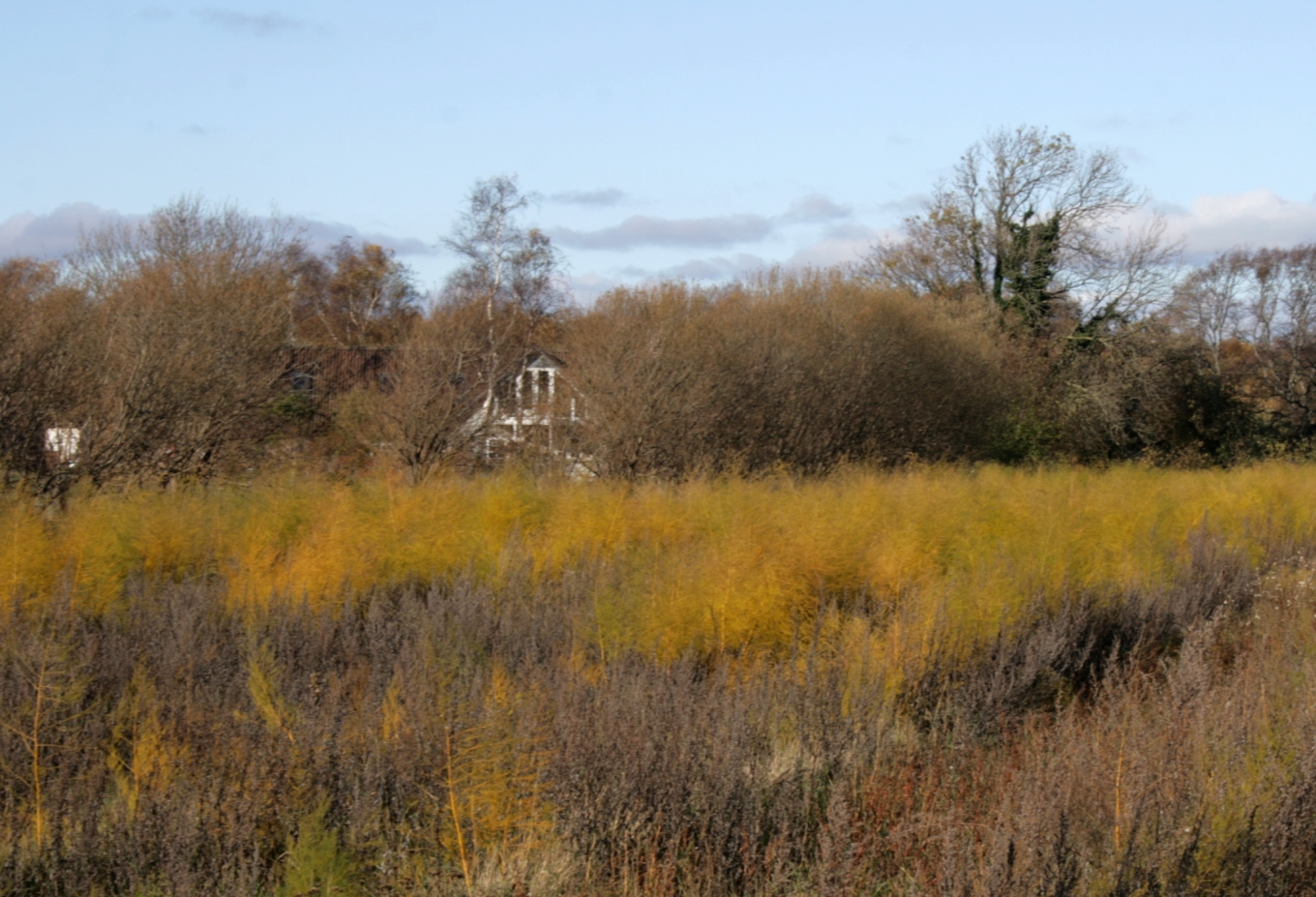
Cutting Asparagus Ferns While They’re Still Green Drains the Crowns, University of Minnesota Extension Warns, So Wait Until They Turn Fully Yellow or Brown
A green asparagus fern is still feeding next year’s crop, which is why University of Minnesota Extension tells gardeners to leave it standing. Its harvesting guide says ferns should come out only once they are completely yellow or brown, because removing green ones lowers the energy stored in the crowns.
The advice matters in early November, when many beds still hold a mix of tan and green stems. The extension guide, written by horticulture educators Annie Klodd, Vince Fritz, Cindy Tong and Natalie Hoidal, spells out the color test, and several other universities and garden publishers add their own timing for the cleanup.
What the ferns are doing while they die back
According to the University of Minnesota Extension guide, the ferns die back in late fall and turn brown by winter. As they die, the guide says, they transport carbon and nutrients down to the roots for winter storage. Cutting them while they are green interrupts that move and shrinks the reserves the crowns draw on when spears push up the following spring.
The same guide says the ferns should be removed only when they are completely yellow or brown. Green ferns should stay in place.
Late fall or early spring, and why Minnesota usually waits
Minnesota Extension says late fall is the preferred time to remove ferns because it eliminates overwintering insect pests. It then adds a practical wrinkle: fields in Minnesota are usually snow-covered while ferns are still green, so most growers take them off in early spring instead.
A post on the Fairfield County Master Gardeners site, published Oct. 25, 2023 and crediting the University of Minnesota, repeats the same advice to remove ferns in late fall or early spring. It also repeats the guide’s warning against tilling the ferns into the soil, since they add little organic matter and can create pest problems. For spring removal, it says the ferns are best taken out of the field and burned or composted elsewhere.
How other extension services and garden sites handle the cutback
The University of Maine Cooperative Extension, in an answer by Lynne M. Holland, says to cut asparagus tops back once they have yellowed, because their work is done for the year. The answer says cutting removes disease or insect problems from the bed, and that there is no need to cut below the soil line.
Purdue Extension’s Rosie Lerner takes a more conditional view in a June 2016 article. If disease or insect pests were a problem, she writes, it is probably best to remove the foliage to prevent overwintering sites for them. If the plants were healthy, leaving the dead foliage in place helps collect leaves and fallen snow for additional insulation through winter.
Stephen Albert’s seasonal asparagus guide for Harvest to Table, published Sept. 12, 2025, gives the most hands-on version. After the first frost, once the ferns have turned yellow or brown, he says to cut them to about 2 inches and discard the debris to reduce overwintering pests and fungal spores. He adds a top dressing of compost or aged manure and, in colder regions, 4 to 6 inches of straw or leaves over the crowns to protect them from freeze-thaw cycles.
A short checklist drawn from the five sources
The sources agree on the central rule and differ on the details. Color is the signal: yellow or brown means the ferns have finished sending nutrients to the roots, while green means they have not. Timing then depends on the bed and the climate.
Gardeners whose asparagus had insect or disease trouble this year have the strongest reason to clear the foliage in fall, according to Purdue and Minnesota. Those with healthy plants in snowy regions can follow Minnesota’s example and wait for spring. Either way, the ferns are not tilled in, and the debris leaves the bed.
The fall chores around the bed fit with the rest of the season’s cleanup. The site has covered how Utah State Extension says to work compost into a fall bed, and how Oregon State Extension handles chrysanthemums and leaf mulch, which pair with the asparagus advice for anyone finishing a vegetable garden before the ground freezes.
Get stories like this by email. Sign up for The Parent Diaries Letter.
This article was produced with AI assistance and edited for accuracy against the sources linked above.
Image: Sten Porse – CC BY-SA 3.0/Wikimedia Commons